
Disposed Meaning in Law
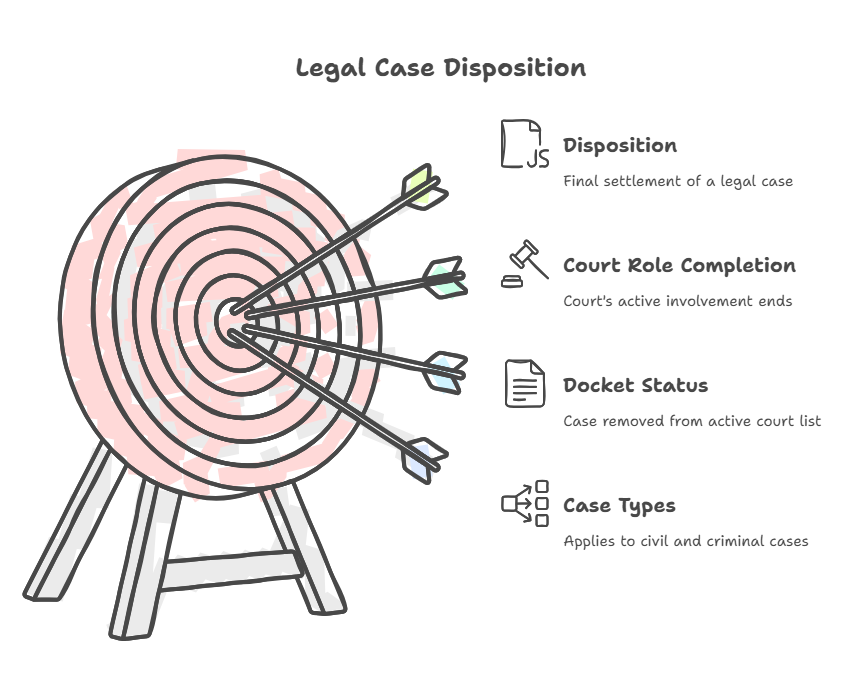
In legal terminology, the term “disposed” refers to the final settlement or resolution of a legal case or matter. When a case is marked as disposed, it means that the court has completed its role in the case, and it no longer remains active on the court docket.
This can apply to both civil and criminal cases and is a key term in tracking the status of legal proceedings. Repossession Lawyer
How is a Case Disposed?
A case is disposed when a judge or court issues a final decision or ruling. This can happen in several ways—through a trial verdict, settlement, plea deal, dismissal, or even withdrawal by the parties involved. Once a case is disposed, it signifies that no further hearings or judgments are pending unless an appeal is filed.
Disposed vs Closed: What’s the Difference?
While “disposed” and “closed” are often used interchangeably, they can carry slightly different meanings depending on the legal system. “Disposed” refers specifically to the resolution or judgment of the case, while “closed” may include administrative steps after disposition, like final paperwork or enforcement of the court order. In most court systems, a case must be disposed before it is officially closed. Family Lawyer Cost
Types of Dispositions in Court
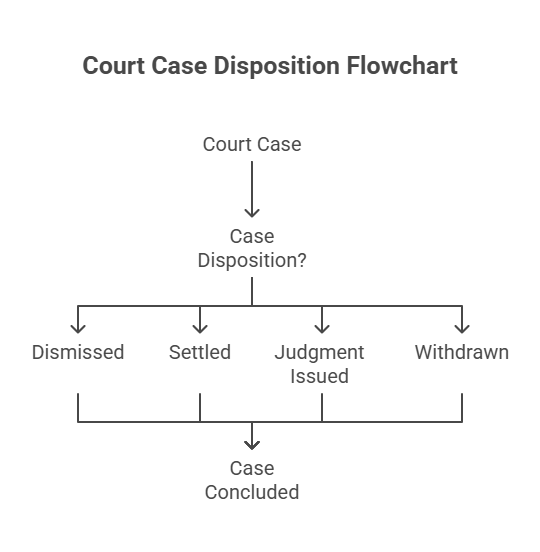
Court cases can be disposed of in various ways:
- Dismissed: The case is thrown out before trial.
- Settled: Both parties reach a mutual agreement.
- Judgment Issued: The court gives a final ruling after hearing both sides.
- Withdrawn: The petitioner or complainant voluntarily ends the case.
Each of these is considered a form of disposition and concludes the court’s involvement unless appealed.
Disposition in Criminal Cases
In criminal law, disposition indicates the outcome of charges brought against a defendant. This can include verdicts like guilty, not guilty, acquitted, or plea-bargained. Once the sentence is passed or charges are dropped, the case is said to be disposed.
This status is crucial for legal records and background checks.
Why Disposed Status Matters
The “disposed” status matters because it shows that a matter has been legally resolved. This can affect a person’s legal standing, background reports, and ability to file appeals. In civil cases, it may signal the enforcement of a settlement or judgment.
In criminal matters, it impacts sentencing, record-keeping, and possible future legal consequences.
What Happens After a Case is Disposed?
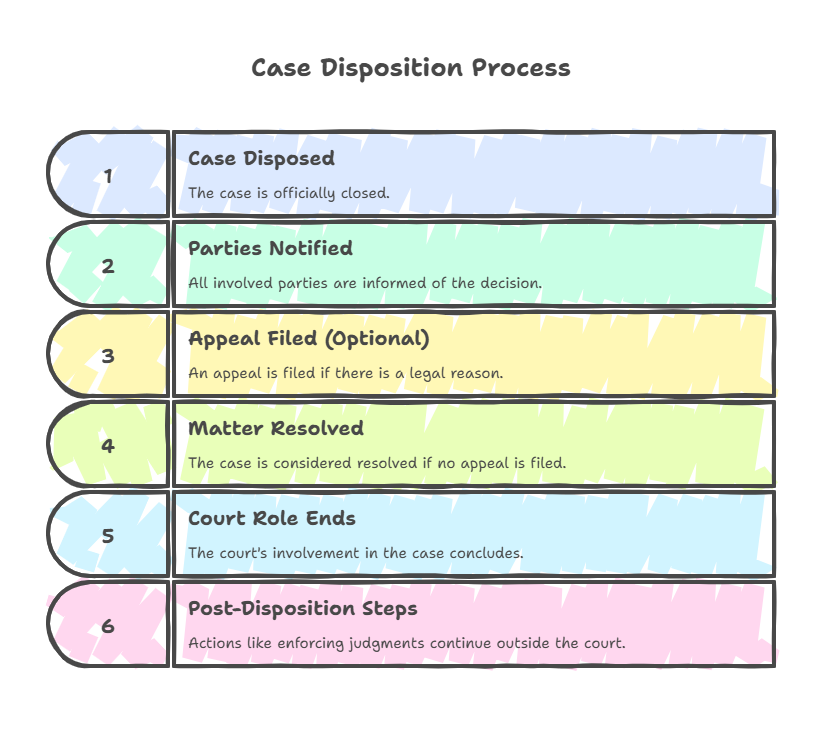
After a case is disposed, no further hearings are scheduled, and the parties involved are typically notified of the decision. If there is a legal reason to challenge the decision, an appeal may be filed.
Otherwise, the matter is considered resolved, and the court’s role ends. In some instances, post-disposition steps like enforcing a judgment or fulfilling sentence terms may continue outside the court. Vawa Immigration Lawyer
Conclusion
Understanding the meaning of “disposed” in law is essential for anyone involved in legal proceedings. It marks the conclusion of a case, affecting records, future legal actions, and personal rights. Whether you’re involved in a civil lawsuit or a criminal trial, knowing when a case is disposed helps you move forward with clarity and confidence.

Comments