
Over 44 million American households rent their homes, yet most tenants don’t know their basic legal rights. Landlords who understand the law can sometimes take advantage of renters who don’t—charging excessive deposits, entering without permission, or retaliating against legitimate complaints.
The problem gets worse because tenant protections vary dramatically by state. What’s legal in Texas might be prohibited in California. Your security deposit rights in Florida are completely different from New York. Even notice requirements for ending a lease can range from no notice required to 60 days depending on where you live.

This guide gives you everything you need to understand and exercise your rights as a tenant. We cover security deposit limits and return deadlines, eviction procedures and defenses, notice requirements, habitability standards, discrimination protections, and illegal lease provisions. You’ll also find free calculators to determine your state’s specific requirements and links to detailed guides for all 50 states.
Whether you’re dealing with a difficult landlord, facing eviction, fighting for your security deposit, or just want to know your rights before signing a lease, you’ll find the answers here.
Tenant Rights by State: Find Your State’s Laws
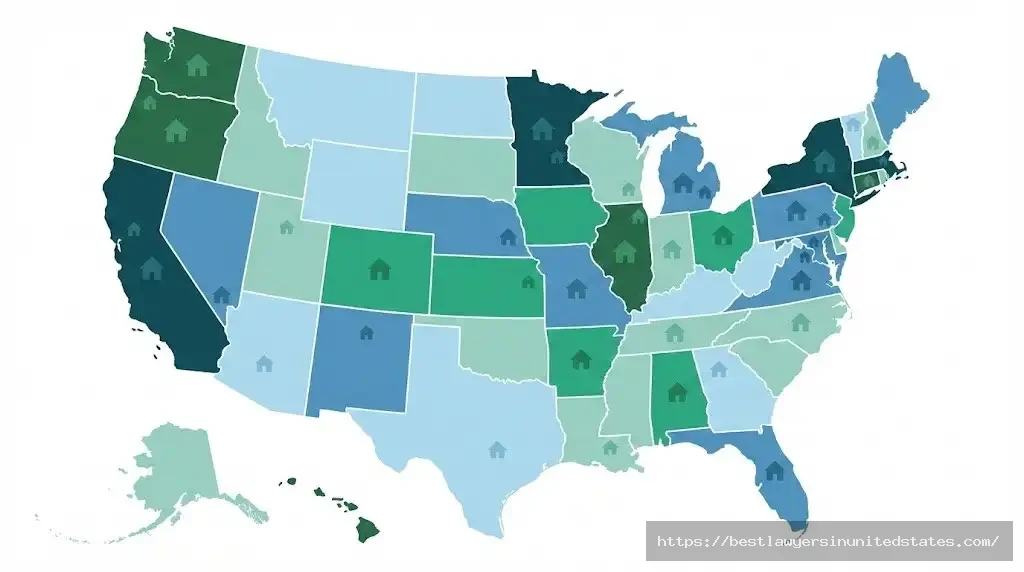
Understanding your specific state’s laws is essential. What’s legal in one state may be prohibited in another. Security deposit limits range from none to one month’s rent. Notice requirements span from no statutory requirement to 60+ days. Eviction procedures and timelines vary significantly.
Select your state below for a complete guide to tenant rights, laws, and protections specific to where you live:
| State | State | State | State | State |
|---|---|---|---|---|
| Alabama | Alaska | Arizona | Arkansas | California |
| Colorado | Connecticut | Delaware | Florida | Georgia |
| Hawaii | Idaho | Illinois | Indiana | Iowa |
| Kansas | Kentucky | Louisiana | Maine | Maryland |
| Massachusetts | Michigan | Minnesota | Mississippi | Missouri |
| Montana | Nebraska | Nevada | New Hampshire | New Jersey |
| New Mexico | New York | North Carolina | North Dakota | Ohio |
| Oklahoma | Oregon | Pennsylvania | Rhode Island | South Carolina |
| South Dakota | Tennessee | Texas | Utah | Vermont |
| Virginia | Washington | Washington DC | West Virginia | Wisconsin |
| Wyoming |
Your Fundamental Rights as a Tenant
Regardless of where you live, federal law and common legal principles give you certain protections. These rights apply whether you have a written lease or a month-to-month verbal agreement.
Right to Habitable Housing
Every state recognizes an “implied warranty of habitability.” Your landlord must provide a safe, livable home with working heat, plumbing, electricity, and structural integrity. You can’t waive this right, even if your lease says otherwise.
Right to Privacy
Your landlord can’t enter your apartment whenever they want. Most states require 24-48 hours’ notice except for emergencies. Some states specify acceptable reasons for entry (repairs, showings, inspections). Landlords who enter without proper notice violate your privacy rights.
Right to Security Deposit Protections
States limit how much your landlord can charge for deposits and when they must return your money. Most states require deposits be returned within 14-60 days after you move out, along with an itemized list of any deductions.
Right to Proper Notice Before Eviction
Your landlord cannot change the locks, remove your belongings, or shut off utilities to force you out. All evictions must go through the court system. You have the right to receive proper written notice and appear before a judge.
Right to Freedom from Discrimination
The federal Fair Housing Act prohibits discrimination based on race, color, national origin, religion, sex, familial status, or disability. Many states add additional protected categories like sexual orientation, gender identity, or source of income.
Right Against Retaliation
If you complain about needed repairs, report code violations, or join a tenant organization, your landlord cannot retaliate by raising rent, reducing services, or trying to evict you. Most states presume retaliation if negative action occurs within 30-180 days of your protected activity.
Right to Security Deposit Return
When you move out and leave the unit in good condition (normal wear and tear excepted), you’re entitled to your full deposit back. Your landlord must provide documentation for any deductions. In many states, failure to return deposits on time results in penalties—sometimes double or triple damages.
These rights form the foundation of landlord-tenant law across America. Your state likely provides additional protections beyond these basics.
Security Deposit Rights: Limits, Returns & Interest
Your security deposit represents a significant expense when you move in—often one month’s rent or more. Understanding your rights prevents landlords from keeping money they’re not entitled to.

What Security Deposits Cover
Security deposits protect landlords against unpaid rent and damage beyond normal wear and tear. Your landlord can deduct for broken windows, large holes in walls, carpet stains, or missing appliances. They cannot deduct for faded paint, worn carpet from years of use, or minor scuffs that occur from normal living.
Most states distinguish between “security deposits” (refundable) and “non-refundable fees” (for cleaning or pets). Read your lease carefully to understand which charges are refundable.
State Limits on Maximum Deposits
States regulate how much landlords can charge upfront:
- One month’s rent: California, Maryland, Massachusetts, New Jersey limit deposits to one month’s rent for unfurnished units
- One and a half months: Connecticut, DC allow up to 1.5 months for tenants under 62 years old
- Two months’ rent: Delaware, North Carolina, Wyoming permit two months
- No statutory limit: Arizona, Arkansas, Colorado, Georgia, Florida, and many others don’t cap deposits
Some states allow higher deposits for furnished units or when tenants have pets. Others base limits on the number of bedrooms or unit size.
Return Deadlines After Move-Out
When you vacate, your landlord has a limited time to inspect the property, calculate deductions, and return your deposit:
- 14-21 days: Arizona (14), New Mexico (30), Virginia (45 with itemization within 30)
- 30 days: Most common deadline in states like California, Colorado, Florida, Illinois, Massachusetts, Oregon, Washington
- 45-60 days: Maryland (45), North Dakota (30), West Virginia (60 if no deductions, otherwise must provide list within 30)
Missing these deadlines often results in penalties. In California, landlords who fail to return deposits within 21 days forfeit the right to make any deductions. In Massachusetts, landlords may owe triple damages plus attorney fees.
States Requiring Interest Payments
A handful of states require landlords to pay interest on security deposits held longer than a certain period:
- Connecticut: Must hold deposits in escrow accounts and pay interest annually
- Illinois: Requires interest after six months in buildings with 25+ units
- Maryland: Must pay interest (usually 3-4% annually) in most counties
- New Jersey: Requires deposits in interest-bearing accounts with annual statements
- New York: Must pay interest in buildings with six or more units
- New Mexico: Landlords must pay passbook interest annually
Interest requirements usually apply when you’ve lived there at least one year. The rate varies—sometimes the actual interest earned, sometimes a statutory rate set by state law.
Legal Deductions vs. Improper Charges
Your landlord can only deduct for:
- Unpaid rent (if you left owing money)
- Damage you caused beyond normal wear and tear
- Cost to replace items you removed or lost (keys, remotes)
- Cleaning needed to return unit to move-in condition (not routine cleaning)
- Repairs specified in your lease as tenant responsibility
Your landlord cannot deduct for:
- Normal aging and deterioration (faded paint, worn carpet)
- Cleaning that would occur between any tenants
- Pre-existing damage documented in your move-in inspection
- Upgrades or improvements to the property
- Their own labor at inflated hourly rates (in most states)
Disputing Unfair Deductions
If your landlord withholds more than justified:
- Send a written demand letter citing specific state law requirements
- Include photos from your move-out inspection and move-in checklist
- Give them 7-10 days to respond
- File a small claims court lawsuit if they refuse
Many tenants win deposit disputes because landlords fail to provide required itemization or miss legal deadlines. Courts often award full deposit return plus penalties when landlords act in bad faith.
Getting Your Deposit Back Checklist
Before you move out:
- Review your lease for move-out requirements
- Take dated photos or video of the entire unit
- Complete all cleaning (floors, appliances, bathrooms, windows)
- Repair any damage you caused (fill nail holes, replace broken items)
- Remove all personal belongings and trash
- Request a walk-through inspection with your landlord
- Provide forwarding address in writing
- Keep copies of everything you submit
Want to know exactly what your state allows? Use our free Security Deposit Calculator to find your state’s maximum deposit limit, return deadline, interest requirements, and penalties for violations.
Eviction Rights: Understanding the Process & Your Protections
Evictions must follow strict legal procedures. Your landlord cannot force you out through self-help methods like changing locks, removing your property, or shutting off utilities. These “self-help evictions” are illegal in every state and give you strong legal claims for damages.
Legal vs. Illegal Evictions
A legal eviction requires your landlord to:
- Give you proper written notice stating the reason
- File an eviction lawsuit in court if you don’t leave
- Attend a hearing where you can present defenses
- Obtain a court judgment in their favor
- Have law enforcement execute the eviction if you still won’t leave
An illegal eviction occurs when your landlord:
- Changes locks while you’re away
- Removes your belongings from the property
- Shuts off water, electricity, or heat
- Threatens or harasses you to force you out
- Files false police reports claiming trespass
Illegal evictions violate your rights and often result in substantial damages awards. In California, tenants subjected to illegal lockouts can recover up to $100 per day plus actual damages and attorney fees.
Types of Evictions
Landlords can evict for specific reasons:
Non-payment of rent: Most common eviction type. You typically receive 3-5 days’ notice to pay rent or vacate. Some states require 10-14 days for month-to-month tenants.
Lease violation: Breaking lease terms (unauthorized pets, noise complaints, illegal activity). Notice periods range from 3-30 days depending on the severity and whether you can cure the violation.
No-cause eviction: In most states, landlords can terminate month-to-month tenancies without stating a reason by giving 30-60 days’ notice. Fixed-term leases cannot be terminated early without cause.
Illegal activity: Drug dealing, violence, or criminal activity allows faster eviction with minimal notice (3-5 days) in most states.
The Eviction Process Step-by-Step
Step 1: Notice (3-60 days)
Your landlord must serve written notice. Notice requirements vary by eviction type and state law. Pay-or-quit notices are shortest (3-5 days). No-cause terminations require 30-60 days.
Step 2: Filing (Day 1)
If you don’t comply with the notice, your landlord files an eviction lawsuit (called “unlawful detainer” or “summary possession”). You receive a summons and complaint.
Step 3: Answer (5-14 days)
You have a short window to file a written answer with the court stating your defenses. Missing this deadline may result in automatic judgment against you.
Step 4: Hearing (1-4 weeks)
Both sides present evidence to a judge. You can raise defenses like landlord’s failure to make repairs, improper notice, or discrimination. Bring all documentation, photos, and witnesses.
Step 5: Judgment (Same day or within days)
The judge issues a decision. If you win, you can stay. If you lose, the judgment gives you typically 5-10 days to vacate before a writ of possession is issued.
Step 6: Writ of Possession (1-2 weeks after judgment)
If you don’t leave after losing, your landlord obtains a writ of possession allowing law enforcement to physically remove you and your belongings.
Total timeline from first notice to physical removal: 1-3 months in most states, though some jurisdictions take longer due to court backlogs.
Just Cause Eviction Requirements
Five states plus DC now require landlords to have “just cause” to evict, even for month-to-month tenants:
- California: Applies to tenants who’ve lived there 12+ months or have leases
- New Jersey: Just cause required for all tenancies
- New York: Applies to most units statewide as of 2019
- Oregon: Covers tenants after first year of occupancy
- Washington: Applies in cities with just cause ordinances
- Washington, DC: Just cause required citywide
Just cause typically includes non-payment, lease violations, owner move-in, substantial renovation, or sale to owner-occupant. Landlords must provide specific reasons and documentation.
Common Eviction Defenses
You may successfully defend an eviction if:
- Landlord failed to provide proper notice format or timing
- Eviction is retaliatory (you complained about repairs within past 3-6 months)
- Eviction is discriminatory (based on protected characteristics)
- Landlord failed to maintain habitable conditions (repair and deduct defense)
- Rent increase was illegal (violated rent control or wasn’t properly noticed)
- Landlord accepted rent after serving notice (may waive eviction)
- Eviction violates just cause requirements in applicable jurisdictions
What to Do If You Receive an Eviction Notice
- Read it carefully and note all deadlines
- Determine if you can cure the violation (pay rent, remove pet)
- Document everything (take photos, save communications)
- Contact a tenant rights attorney or legal aid immediately
- Do not ignore the notice—this makes things worse
- File a written answer if lawsuit is filed
- Gather evidence for hearing (repair requests, payment receipts, photos)
- Appear at all court hearings
Facing eviction or want to understand the timeline in your state? Our Eviction Timeline Calculator shows you exactly how long the process takes, what notice periods apply, and your rights at each step.
Notice Requirements: What You Need to Know
Proper notice protects both tenants and landlords by setting clear expectations. Notice requirements vary by state, lease type, and purpose.
Notice to Terminate Month-to-Month Tenancy
If you’re renting month-to-month, either party can end the tenancy with proper notice:
- 30 days: Most common requirement in states like California, Colorado, Florida, Illinois, Minnesota, Oregon
- 60 days: Required in California for tenancies over 1 year, Nevada for certain situations
- One full rental period: Some states require notice equal to the rental period (monthly tenant = 1 month notice)
- As specified in lease: A few states allow leases to set notice periods
Notice usually must be given before the rent due date to be effective the following month. If you give notice on March 15th with rent due April 1st, your last day is typically April 30th (assuming 30-day notice).
Notice for Rent Increases
Your landlord can’t surprise you with a rent increase. Most states require:
- 30 days’ notice: Standard requirement for month-to-month tenancies
- 60 days’ notice: Required in California for increases over 10%, Oregon for all increases
- 90 days’ notice: Nevada requires for manufactured home parks
- Written notice: Almost all states require rent increases be provided in writing
During a fixed-term lease, your landlord generally cannot raise rent unless the lease specifically allows it. Rent increases take effect at the start of a new rental period, not mid-month.
Landlord Entry Notice Requirements
Your apartment is your home, and landlords must respect your privacy:
- 24 hours’ notice: California, Connecticut, Oregon, Wisconsin require at least 24 hours
- 48 hours’ notice: Delaware, Illinois, Kansas, New Jersey require 48 hours
- Reasonable notice: Many states require “reasonable notice” without specifying exact hours (usually interpreted as 24-48 hours)
- No notice required: Arkansas, Georgia, and a few others don’t specify notice requirements
Acceptable reasons for entry typically include:
- Making necessary repairs
- Showing unit to prospective tenants or buyers
- Inspecting for maintenance needs
- Responding to emergencies (no notice required)
Entry must occur during normal business hours (usually 8am-6pm) unless it’s an emergency or you agree otherwise.
Notice at End of Fixed-Term Lease
When your one-year lease expires, what happens depends on state law and your lease terms:
- Automatic month-to-month: In most states, if neither party gives notice, the lease converts to month-to-month with the same terms
- Required notice of non-renewal: Some states and leases require landlords to notify you 30-90 days before lease end if they won’t renew
- Required notice to vacate: Even if your lease ends, some states require you to give notice that you’re leaving (typically 30 days)
Read your lease carefully. Some include automatic renewal clauses requiring you to give notice months before the lease ends or you’re locked in for another term.
Notice Periods Based on Tenancy Length
Several states require longer notice for longer tenancies:
- Week-to-week: 7-10 days’ notice
- Month-to-month: 30 days’ notice
- Quarter-to-quarter: 45 days’ notice
- Year-to-year: 60-90 days’ notice
Oregon requires 30 days for tenancies under 1 year, 60 days for 1+ years, and 90 days for tenancies over 2 years.
Proper Notice Delivery Methods
For notice to be legally effective, it must be delivered correctly:
- Personal delivery: Handing it directly to the tenant or landlord
- Certified mail: Provides proof of delivery date
- Regular mail: Some states allow, but you can’t prove receipt
- Posting and mailing: In some states, you can tape notice to the door AND mail it
- Email or text: Generally not acceptable unless lease specifically allows
Always keep proof of delivery. For certified mail, keep the receipt and tracking information. For hand delivery, have a witness or take a photo of delivery.
Consequences of Improper Notice
If your landlord provides inadequate notice:
- Eviction may be dismissed for procedural defects
- Rent increases may not take effect as scheduled
- Entry without notice may constitute trespass or harassment
If you fail to give proper notice:
- You may owe rent for the full notice period even after moving
- Your landlord may withhold from your security deposit for unpaid rent
- You may be liable under lease break provisions
Need to give notice or verify your landlord gave proper notice? Our Notice Period Calculator shows exact requirements for your state and even generates sample notice letters.
Habitability Rights: Your Right to a Safe, Livable Home
The implied warranty of habitability guarantees you a safe, sanitary place to live. This legal doctrine exists in every state and cannot be waived—even if your lease says “as is” or you agreed to make repairs yourself.

What Makes a Unit Uninhabitable
Conditions that violate habitability standards include:
- No heat or broken heating system (especially in winter)
- No hot water or broken water heater
- Plumbing failures (backed up sewage, persistent leaks, no working toilet)
- Electrical hazards (exposed wiring, non-functioning outlets, fire risks)
- Structural problems (roof leaks, broken windows, collapsing ceilings)
- Severe pest infestations (rats, roaches, bedbugs)
- Toxic mold from water damage or leaks
- No working locks on exterior doors
- Building code violations affecting health or safety
Minor inconveniences don’t rise to uninhabitable—a dripping faucet or squeaky floor won’t qualify. But conditions that threaten your health, safety, or ability to use the property do.
Tenant Remedies for Uninhabitable Conditions
When your landlord fails to maintain habitability, you have several options:
Repair and Deduct: In about 20 states (including Arizona, California, Montana, Oklahoma), you can hire a contractor to make necessary repairs and deduct the cost from rent. Limits typically range from one month’s rent to $300. You must provide written notice and wait a reasonable time for your landlord to fix it first.
Rent Withholding: Many states allow you to withhold rent when serious habitability problems exist. You may need to deposit rent in escrow with the court or continue paying into an account. This is risky—do it wrong and you could face eviction for non-payment.
Lease Termination: Severe uninhabitable conditions may allow you to terminate your lease early without penalty. Document everything and provide written notice before moving out. Some states require court approval.
Sue for Damages: You can sue your landlord for the difference between rent paid and the actual value of the defective unit. You may also recover moving costs, hotel expenses, or property damage caused by the conditions.
How to Document Habitability Issues
Protection requires proof:
- Take detailed photos and videos with dates visible
- Keep a written log of when you noticed the problem and reported it
- Send written repair requests via certified mail or email (keep copies)
- Save your landlord’s responses (or note lack of response)
- Get inspection reports from city housing authorities
- Collect medical records if the condition affected your health
- Keep receipts for any expenses (hotel stays, property damage)
Reporting to Housing Authorities
Most cities have housing inspection departments that enforce building codes. File a complaint if your landlord ignores serious issues:
- Inspector will visit and document violations
- Landlord receives notice to make repairs within a deadline
- Fines or legal action if landlord doesn’t comply
- Creates official documentation supporting your claims
Your landlord cannot retaliate against you for reporting code violations. Retaliatory evictions within 30-180 days of filing complaints are illegal in most states.
States with Strongest Habitability Protections
California, Connecticut, Illinois, Massachusetts, New Jersey, and New York provide extensive tenant remedies for habitability violations. These states:
- Allow rent withholding with clear procedures
- Permit repair and deduct with reasonable limits
- Impose penalties on landlords for failing to maintain properties
- Grant courts broad authority to reduce rent or award damages
Fair Housing Rights: Protection from Discrimination
Federal and state laws prohibit housing discrimination to ensure everyone has equal access to rental housing.
Federal Fair Housing Act Protected Classes
The Fair Housing Act makes it illegal to discriminate in rental housing based on:
- Race or color: Cannot refuse to rent, set different terms, or steer people to certain units based on race
- National origin: Cannot discriminate against immigrants or non-native English speakers
- Religion: Cannot refuse housing or impose different rules based on religious beliefs
- Sex: Includes gender discrimination, sexual harassment by landlords, and different terms for men vs. women
- Familial status: Cannot discriminate against families with children under 18 (with limited exceptions for senior housing)
- Disability: Must provide reasonable accommodations and allow reasonable modifications
These protections apply to nearly all rental housing. Small owner-occupied buildings (4 units or fewer) and single-family homes rented without a broker have limited exemptions.
State and Local Additional Protections
Many states expand protected classes beyond federal law:
- Sexual orientation and gender identity: 22 states plus DC prohibit discrimination (California, Colorado, Connecticut, Illinois, Massachusetts, New Jersey, New York, Oregon, Washington, others)
- Source of income: 20+ states and cities ban discrimination against tenants using housing vouchers (California, Connecticut, DC, New York City, Seattle, others)
- Age: Some states protect older tenants from age discrimination
- Marital status: Several states prohibit discrimination against unmarried couples
- Military status: Some states protect veterans and active service members
Always check your state and local laws—you may have more protections than federal law provides.
Examples of Housing Discrimination
Illegal discrimination includes:
- Refusing to rent to families with children
- Setting different rental terms (higher deposits, stricter rules) for protected groups
- Stating preferences in advertisements (“no children,” “adults only,” “Christian household preferred”)
- Lying about unit availability to avoid renting to certain groups
- Steering applicants to different buildings based on race or ethnicity
- Refusing reasonable accommodation requests from disabled tenants
- Sexual harassment or demands for sexual favors in exchange for housing
Discrimination can be subtle. Courts look at patterns—if a landlord consistently rejects qualified applicants from protected groups while accepting similar applicants from non-protected groups, that suggests discrimination even without explicit statements.
Reasonable Accommodations for Disabilities
Landlords must make reasonable accommodations for disabled tenants:
- Allow service animals or emotional support animals even in “no pets” buildings
- Assign accessible parking spaces
- Modify policies that disadvantage disabled tenants
- Allow structural modifications at tenant’s expense (grab bars, ramps)
“Reasonable” means the accommodation doesn’t impose undue financial burden or fundamentally alter the property’s nature. A wheelchair user can request a reserved accessible parking space (reasonable), but probably can’t demand an elevator be installed in a walk-up building (unreasonable burden).
How to File a Discrimination Complaint
If you believe you’ve experienced housing discrimination:
- Document everything: Save advertisements, emails, texts, notes from conversations
- File with HUD: Complete online complaint at hud.gov/fairhousing within one year
- File with state agency: Many states have their own fair housing agencies with stronger laws
- Consult an attorney: Fair housing lawyers often work on contingency (you don’t pay unless you win)
HUD investigates complaints and may mediate settlements. If they find reasonable cause to believe discrimination occurred, they can file charges. You also have the right to file a lawsuit in federal court within two years of the discrimination.
Lease Agreement Rights: What Landlords Cannot Include
Not everything in a lease is legally enforceable. Some provisions are illegal and void even if you signed them.
Waiver of Habitability
No lease can force you to waive your right to habitable housing. Clauses like “tenant accepts property as-is” or “landlord not responsible for repairs” don’t eliminate the implied warranty of habitability. Courts will strike these provisions and require landlords to maintain safe, livable conditions.
Waiver of Right to Jury Trial
Some leases include clauses requiring arbitration or waiving your right to a jury trial. While arbitration clauses are sometimes enforceable, you generally cannot waive fundamental procedural rights. Many states prohibit mandatory arbitration in residential leases.
Excessive Late Fees
States limit late fees to reasonable amounts:
- Percentage caps: 5-10% of monthly rent is typical maximum
- Dollar caps: Some states set fixed amounts ($50-$100)
- Grace periods: Many states require 3-5 day grace period before late fees apply
A $200 late fee on $1,000 rent is likely unenforceable. Check your state’s limits—fees exceeding statutory caps are void.
Illegal Entry Provisions
Leases cannot give landlords unlimited access to your apartment. Provisions allowing entry “at any time” or “without notice” violate your privacy rights. Your state’s notice requirements apply regardless of lease language.
Automatic Renewal Traps
Some leases automatically renew for another full term unless you give notice months in advance. While legal in many states, they must be clearly disclosed in large, bold print. Hidden auto-renewal clauses may be unenforceable as unconscionable.
Other Potentially Unenforceable Clauses
Watch for these problematic provisions:
- Waiver of right to sue for negligence
- Blanket permission to enter for any reason
- Tenant responsible for all repairs (including major systems)
- Landlord can terminate lease at will without cause
- Confession of judgment (pre-agreed court judgment if you breach)
- Liquidated damages far exceeding actual harm
How to Identify Problematic Lease Terms
Before signing:
- Read every clause carefully—don’t skip the fine print
- Question anything that seems one-sided or unfair
- Research your state’s tenant laws
- Ask for explanations of confusing provisions
- Request changes to illegal or unreasonable terms
- Consider having an attorney review the lease
Remember: An illegal lease clause is unenforceable even if you signed it. Courts will not uphold provisions that violate public policy or statutory tenant rights.
Retaliation Protections: Your Landlord Cannot Punish You
Exercising your legal rights shouldn’t cost you your home. Anti-retaliation laws protect tenants who stand up for themselves.
What Is Landlord Retaliation
Retaliation occurs when your landlord punishes you for engaging in protected activities. The punishment usually comes as rent increase, eviction notice, or reduction in services.
Protected Activities
You’re protected when you:
- Complain about needed repairs or maintenance
- Report building code violations to authorities
- File a discrimination complaint
- Join or organize a tenant union
- Withhold rent legally for uninhabitable conditions
- Exercise any right under your lease or state law
- Testify against your landlord in court
Retaliatory Actions
Your landlord cannot respond to protected activities by:
- Terminating your tenancy or filing eviction
- Raising your rent above market rate
- Reducing services you previously received
- Refusing to renew your lease
- Harassing or threatening you
- Filing frivolous lawsuits against you
Presumption of Retaliation
Most states create a legal presumption of retaliation when your landlord takes adverse action within a certain time after your protected activity:
- 30-60 days: Short presumption periods in some states
- 90 days: Common timeframe in California, Oregon, Washington
- 120 days: Delaware, Rhode Island
- 180 days: Illinois, New Jersey provide longer protection
- One year: A few states extend presumption to 365 days
During this window, your landlord has the burden to prove their action wasn’t retaliatory. Outside the presumption period, you must prove retaliation occurred.
How to Prove Retaliation
Build your case with:
- Timeline documentation: Show protected activity came first, landlord action came second
- Written communications: Save emails and letters proving you complained about repairs or violations
- Proximity in time: Closer together the protected activity and retaliatory action, stronger your case
- Pretextual reasons: If your landlord’s stated reason seems false or exaggerated
- Pattern of behavior: Multiple tenants experiencing similar treatment
- Witness testimony: Others who observed the retaliation
Remedies for Retaliation
If you prove retaliation, you may receive:
- Injunction preventing eviction
- Lease reinstatement
- Damages (lost wages from moving, emotional distress)
- Attorney fees and costs
- Punitive damages in egregious cases
Some states impose statutory penalties. California allows 2-3 months’ rent in damages plus actual losses.
States with Strongest Anti-Retaliation Laws
California, New Jersey, Oregon, and Washington provide comprehensive protections. These states:
- Presume retaliation for 90-180 days after protected activity
- Prohibit rent increases during presumption period
- Impose substantial penalties on retaliating landlords
- Allow recovery of attorney fees
- Make retaliatory evictions void
Tenant Rights Resources & Next Steps
Understanding your rights is the first step. Taking action when those rights are violated requires additional support and resources.
When to Consult a Tenant Rights Attorney
Consider hiring an attorney if:
- You’re facing eviction and have possible defenses
- Your landlord is retaliating against you
- You’ve experienced housing discrimination
- Your landlord refuses to return your security deposit (and it’s substantial)
- Uninhabitable conditions are causing health problems or property damage
- Your landlord filed a lawsuit against you
- You want to file a lawsuit for damages
Many tenant attorneys offer free consultations. Some work on contingency (you don’t pay unless you win) for discrimination or wrongful eviction cases.
Free Legal Aid Resources
If you can’t afford an attorney:
- Legal Services Corporation: Find your local legal aid office at lsc.gov
- LawHelp.org: State-by-state directory of free legal assistance
- Law school clinics: Many universities offer free tenant representation through student clinics
- Bar association referrals: State and local bar associations often provide low-cost legal help
- Tenant unions: May offer advice, representation, or connections to attorneys
Income limits usually apply for free legal aid. Most programs serve households earning below 125% of federal poverty level.
Document Everything
Protection requires proof. Maintain a tenant file with:
- Signed lease and all amendments
- Move-in and move-out inspection reports with photos
- Rent payment receipts or bank records
- All communications with landlord (emails, texts, letters)
- Repair requests and landlord responses
- Photos documenting property conditions
- Medical records if conditions affected health
- Notices received from landlord
Store copies of important documents outside your apartment in case of illegal lockout.
Use Certified Mail for Important Communications
Send important notices via certified mail, return receipt requested:
- Requests for repairs affecting habitability
- Notice of lease termination
- Demand letters for security deposit return
- Complaints about violations
- Response to eviction notices
Certified mail provides proof of delivery and dates. Save all tracking information and receipts.
Tenant Unions and Advocacy Organizations
Joining with other tenants increases your power:
- Share information about landlord violations
- Collectively bargain for better conditions
- Support each other through disputes
- Organize to change local tenant laws
National advocacy groups include National Alliance of HUD Tenants, National Low Income Housing Coalition, and Tenants Together.
Government Resources
Contact these agencies for help:
- HUD: Housing discrimination complaints at hud.gov/fairhousing or 1-800-669-9777
- State Attorney General: Consumer protection divisions handle landlord-tenant complaints
- Local housing authorities: Inspect properties and enforce building codes
- Rent boards: Cities with rent control have boards handling disputes
Many cities operate tenant hotlines providing free advice and referrals. Search “[your city] tenant rights hotline” to find local resources.
Frequently Asked Questions About Tenant Rights
What are the basic rights every tenant has?
Every tenant in America has certain fundamental rights regardless of state. You have the right to habitable housing that’s safe and livable, privacy (your landlord can’t enter without notice except emergencies), security deposit protections with limits and return deadlines, proper notice before eviction through court process only, freedom from discrimination based on race, color, national origin, religion, sex, familial status, or disability, and protection against retaliation for exercising your rights. These rights apply whether you have a written lease or month-to-month verbal agreement.
Can my landlord enter my apartment without permission?
No, your landlord cannot enter whenever they want. Most states require 24-48 hours’ notice before entry except for emergencies like fire, flood, or gas leak. Acceptable reasons for entry include making necessary repairs, showing the unit to prospective tenants or buyers, and conducting periodic inspections. Entry must typically occur during reasonable hours (8am-6pm). Repeated unauthorized entries may constitute harassment and violate your privacy rights.
How much can my landlord charge for a security deposit?
Deposit limits vary by state. California, Maryland, Massachusetts, and New Jersey limit deposits to one month’s rent for unfurnished units. Connecticut and DC allow 1.5 months for some tenants. Delaware, North Carolina, and Wyoming permit two months. Many states including Arizona, Arkansas, Colorado, Florida, and Georgia have no statutory limit, so landlords can charge any amount agreed upon in the lease. Some states allow higher deposits for furnished units or when you have pets.
How long does my landlord have to return my security deposit?
Return deadlines range from 14-60 days depending on state. Common deadlines are 30 days in states like California, Colorado, Florida, Illinois, Massachusetts, Oregon, and Washington. Arizona requires 14 business days. Maryland allows 45 days. West Virginia permits 60 days if no deductions are taken. Your landlord must provide an itemized statement of any deductions. Missing the deadline often results in penalties—in some states landlords forfeit the right to make any deductions or owe you double or triple damages.
Can my landlord evict me without going to court?
Absolutely not. “Self-help evictions” are illegal in every state. Your landlord cannot change locks, remove your belongings, shut off utilities, or threaten you to force you out. All evictions must go through the court system. Your landlord must serve proper written notice, file an eviction lawsuit, attend a hearing where you can present defenses, obtain a court judgment, and have law enforcement execute the eviction if you still won’t leave. Illegal evictions give you strong legal claims for damages.
What is “just cause” eviction and which states require it?
Just cause eviction laws require landlords to have a legitimate reason to evict, even month-to-month tenants. California (for tenants past 12 months), New Jersey (all tenancies), New York (statewide since 2019), Oregon (after first year), certain cities in Washington, and Washington DC now require just cause. Valid reasons typically include non-payment of rent, lease violations, owner move-in, substantial renovation, or sale to owner-occupant. These laws prevent arbitrary evictions and provide greater housing stability.
Can my landlord raise my rent whenever they want?
During a fixed-term lease, your landlord generally cannot raise rent unless the lease specifically allows mid-term increases. For month-to-month tenancies, landlords can raise rent with proper notice—typically 30 days in most states, though California requires 60 days for increases over 10%, and Oregon requires 60 days for all increases. Some cities and states have rent control laws limiting how much and how often rent can increase. Your landlord must provide written notice and increases take effect at the start of a new rental period.
What can I do if my landlord won’t make repairs?
First, submit a written repair request documenting the problem and keep a copy. If your landlord doesn’t respond within a reasonable time (typically 30 days for non-emergency repairs, 24-72 hours for emergencies), you have options depending on your state. About 20 states allow “repair and deduct” where you hire a contractor and deduct the cost from rent (usually capped at one month’s rent). Some states permit rent withholding by depositing rent in escrow. You can report code violations to your local housing authority. Severe uninhabitable conditions may allow you to terminate your lease or sue for damages.
Can my landlord retaliate against me for complaining?
No, retaliation is illegal in every state. If you complain about needed repairs, report code violations, file discrimination complaints, join a tenant union, or exercise any legal right, your landlord cannot retaliate by evicting you, raising rent, reducing services, or harassing you. Most states presume retaliation if your landlord takes adverse action within 30-180 days of your protected activity. You can sue for damages, get injunctions preventing eviction, and recover attorney fees if you prove retaliation.
What should I do if I’m being discriminated against?
Document everything—save advertisements, emails, text messages, and notes from conversations. File a complaint with the U.S. Department of Housing and Urban Development (HUD) at hud.gov/fairhousing within one year of the discrimination. You can also file with your state’s fair housing agency, which may have stronger protections than federal law. Consider consulting a fair housing attorney—many work on contingency. HUD investigates complaints and may mediate settlements or file charges. You also have the right to file a lawsuit in federal court within two years.
Are verbal lease agreements legal?
Yes, verbal leases are generally legal and enforceable, but they’re much harder to prove. Most states require leases longer than one year to be in writing under the Statute of Frauds. Month-to-month or short-term verbal agreements are valid but create problems when disputes arise—you may disagree about what was promised. Always get lease terms in writing, including rent amount, due date, deposit, responsibilities, and policies. If you have a verbal agreement, follow up important discussions with email or text confirming what was agreed upon.
What happens if my landlord sells the property?
Your lease doesn’t end when the property sells. The new owner must honor your existing lease terms, including rent amount and lease duration. Your security deposit transfers to the new owner, who becomes responsible for returning it when you move out. Month-to-month tenants may receive notice of termination from the new owner (30-60 days depending on state), but fixed-term leases continue until expiration. The new owner must notify you in writing of the ownership change and where to send rent. If your deposit isn’t transferred properly, both old and new owners may be liable.
Ready to understand your specific rights?
Use our free calculators to find your state’s exact requirements:
- Security Deposit Calculator: Maximum deposits, return deadlines, interest requirements, violation penalties
- Eviction Timeline Calculator: Process duration, notice periods, court procedures, your rights at each step
- Notice Period Calculator: Termination requirements, entry notice, rent increase notice, sample letters
Find your state’s complete tenant rights guide above for detailed information on local laws, resources, and protections.