
Picture your neighbor backing out of the driveway at 85. Plenty of people tense up a little. Now picture a 24-year-old firing off a text at a red light and gunning it when the signal turns green. Which one actually worries you more?
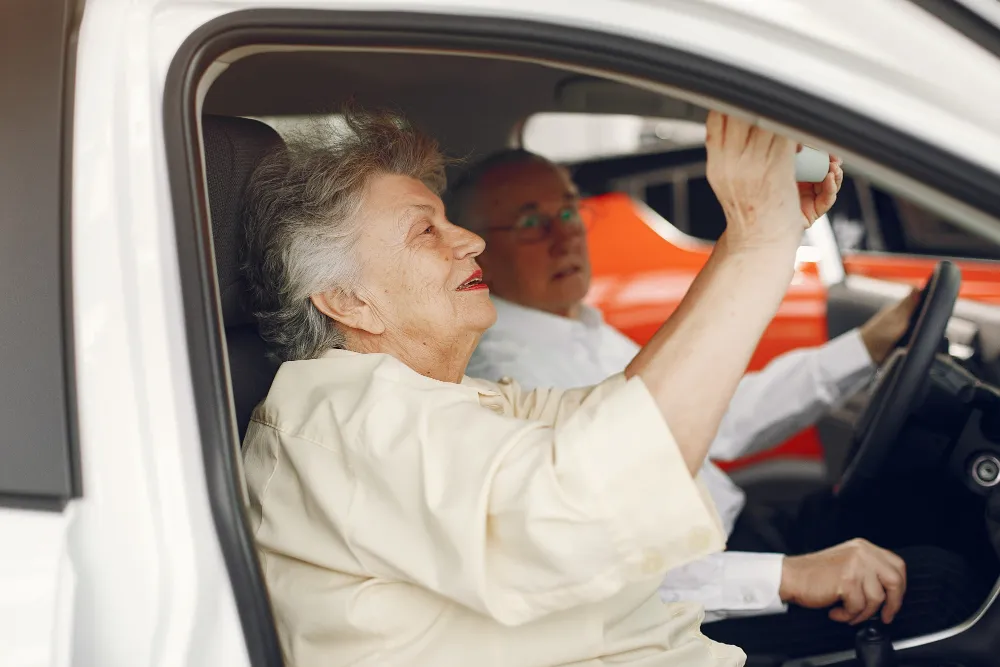
Age makes an easy shorthand, but it’s a lousy predictor on its own. Some older drivers have spotless records, decades of hard-won instincts, and the good sense to stay home when it’s storming. Plenty of younger drivers have none of those things, not even close.
That’s the real story behind the driving age limit in Texas, which doesn’t actually exist as a hard cutoff. Texas cares about whether you can see, react, and judge traffic safely, and those abilities vary wildly from one person to the next.
Why Age Alone Doesn’t Determine Driving Ability
Two people born the same year can be in completely different shape behind the wheel. One walks three miles a day and plays bridge every Thursday. The other has untreated cataracts and a stiff neck that makes checking blind spots a real chore.
Vision, cognition, and physical health are what actually drive performance. Sharp eyesight lets you spot hazards early, quick thinking helps you sort out a messy intersection, and a flexible body lets you turn your head and hit the brake without any hesitation.
Habits matter just as much. A careful 80-year-old who keeps a safe following distance and never touches a phone may be far less risky than a distracted 30-year-old who speeds. Birthdays don’t measure any of that, which is exactly why they make poor safety tests.
The Surprising Advantages of Decades Behind the Wheel
Experience is a quiet superpower. Someone who’s been driving for sixty years has seen just about every weird situation the road can serve up, from a mattress flying off a pickup to a deer frozen in the headlights at dusk.
That history builds pattern recognition. Veteran drivers often sense trouble before it happens, like a car drifting toward a lane line or a kid’s ball bouncing toward the street. Spotting those cues early buys precious seconds that newer drivers may not realize they need.
Many older drivers also adjust on their own. They skip night driving, avoid rush hour, steer clear of the interstate during storms, and leave extra room in front of them. Those choices can offset slower reflexes and help keep both the driver and everyone nearby safer.
What Actually Changes in the Brain and Body as We Age
Aging does bring real changes, and pretending otherwise doesn’t help anyone. Aging eyes often need more light, recover slower from headlight glare, and lose some sharpness. Conditions like cataracts, glaucoma, and macular degeneration become more common with every passing decade.
Reaction time tends to slow, too. Processing a sudden hazard and moving a foot to the brake may take a beat longer. Arthritis and stiffness can make it harder to turn the wheel quickly or twist around to check a blind spot before merging.
Certain cognitive skills can shift as well, especially divided attention, which means juggling several things at once. A busy left turn across traffic asks a lot of the brain. Medications can also cause drowsiness or confusion, so reviewing prescriptions with a doctor is a smart habit.
How Texas Handles Older Drivers
Texas doesn’t pull licenses on any particular birthday. Instead, the rules shift at certain ages. Drivers 79 and older have to renew in person at a Department of Public Safety office, and online or mail renewal is no longer an option for them.
In-person renewal comes with a vision test, so every renewal at 79 or older includes a fresh eye check. Once a driver hits 85, the license term shrinks to just two years, which means more frequent visits and more chances to catch changes.
DPS can also ask for more information when there’s a genuine concern, such as a medical condition that may affect driving. Those reviews focus on ability, not age. A healthy 90-year-old can keep driving, while a younger person with serious impairments may not qualify.
Conclusion
Age is a number, and on its own it says surprisingly little about how safely someone drives. Vision, reflexes, health, habits, and honest judgment matter far more than the year printed on a birth certificate or the number of candles on a birthday cake.
Experienced drivers bring real strengths to the road, from sharp pattern recognition to smart choices about when and where to drive. At the same time, aging brings real physical and cognitive changes that deserve honest attention instead of denial, defensiveness, or dismissal.
The best approach is honest self-assessment, regular eye exams, and frank, caring conversations with doctors and family. Texas builds in extra checkpoints for older drivers, but the most important check happens every time someone asks whether they’re truly ready to take the wheel today.