
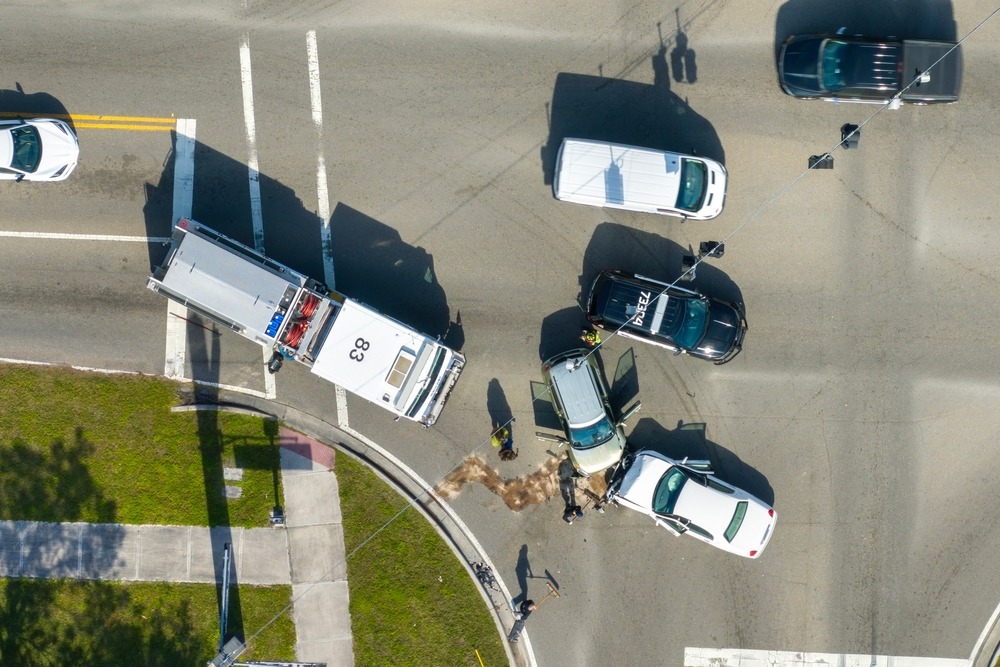
Accident scenes often leave behind subtle evidence that can be critical in determining liability, yet many of these details are overlooked. A poorly lit stairwell, a slick patch of flooring, or a temporary obstruction may seem insignificant at the moment, but these small factors can profoundly influence how responsibility is assessed and claims are ultimately resolved. Understanding the importance of documenting these elements early is essential for anyone pursuing a personal injury claim.
The first hours and days following an accident are particularly important. Memories fade, environmental conditions change, and evidence can be altered or removed. Taking careful notes, capturing photos, and recording measurements while the scene is fresh ensures that minor hazards are preserved for consideration. Even seemingly trivial details—like the placement of furniture, the angle of a curb, or the presence of loose carpeting—can affect determinations of negligence or contributory factors. Legal professionals, such as the legal team at Jacobs and Jacobs Personal Injury Law Group, emphasize the critical role these overlooked details play in building a credible claim.
The Significance of Minor Hazards
Small environmental factors often have a disproportionate effect on accident outcomes. Some examples include:
- Lighting Conditions: Poorly lit areas can contribute to slips, trips, or falls. Documenting the type, angle, and intensity of lighting can help establish whether the hazard was foreseeable.
- Floor Traction or Surface Issues: Wet floors, loose carpeting, or worn steps may appear minor but are frequently cited in liability disputes. Photographs and detailed notes can preserve this information.
- Temporary Obstructions: Construction equipment, misplaced furniture, or seasonal decorations can create hazards. Even short-term obstructions may be relevant if they contributed to the accident.
Capturing these elements early is essential because they may not be visible once the scene is cleaned up or altered. When properly documented, these minor details can help corroborate a claimant’s account and strengthen the overall evidentiary record.
Documenting the Scene Effectively
Establishing a comprehensive record requires methodical attention to detail. Effective documentation includes:
- Photographs and Videos: Capture wide-angle and close-up views, including context and specific hazards.
- Measurements: Note distances, elevations, or dimensions of hazards that may have contributed to the accident.
- Witness Notes: Collect statements from individuals who observed the conditions at the time, including any prior knowledge of potential dangers.
- Environmental Conditions: Record temperature, weather, and lighting to provide context.
- Time Stamps: Ensure documentation is dated to establish a clear timeline of conditions and actions.
When these steps are followed, even minor hazards become concrete evidence that can support or clarify an insurance claim. Professionals review these records to determine how they can be incorporated into negotiations or trial strategy, ensuring that nothing is overlooked.
The Role of Legal Review
Even the most meticulous documentation benefits from professional evaluation. A legal team can assess:
- Which hazards are most likely to influence liability decisions
- Whether the evidence is sufficiently detailed and verifiable
- How to integrate scene documentation with medical records, witness statements, and insurance reports
The personal injury lawyers often analyze environmental evidence in conjunction with other case factors to determine its potential impact. Their review ensures that seemingly minor details are leveraged appropriately, contributing to a coherent and persuasive argument for the claimant.
Practical Tips for Claimants
Individuals seeking to protect their rights should consider:
- Acting immediately to document hazards before conditions change
- Using multiple forms of evidence (photos, measurements, video, witness statements)
- Keeping all records organized and secure for later submission
- Consulting experienced legal professionals early to ensure documentation is thorough and admissible
By combining careful documentation with professional review, claimants reduce the risk that minor but critical details are dismissed or forgotten.
Conclusion
In personal injury cases, small accident scene details can carry significant weight. Slips caused by a poorly lit hallway, trips over temporary obstructions, or injuries resulting from worn surfaces may seem minor but can be decisive in establishing liability. Capturing, organizing, and preserving this information is essential for any claimant.
Through early attention to these hazards and a careful review process, evidence is transformed from fleeting observations into credible, actionable documentation. Insights from professionals, such as the legal team at Jacobs and Jacobs Personal Injury Law Group, illustrate how even the smallest environmental details can strengthen an insurance claim, helping ensure that injured parties receive appropriate consideration and compensation.
