
Are you struggling to bring your international talent or investment to the U.S. without hitting roadblocks from immigration law?
Expanding your business into the U.S. can be a game-changer—but without the right visa strategy, delays, compliance issues, and missed opportunities can quickly derail your plans.
For entrepreneurs, executives, and investors, understanding how immigration law shapes who can work, lead, or invest in your company is critical.
This topic matters because immigration law isn’t just legal red tape—it directly affects your ability to grow, hire the talent you need, and make the most of your U.S. market opportunities. The right visa, whether it’s an EB-2, L-1, or E-2, can give you faster entry, more control over staffing, and peace of mind that your expansion plans stay on track. On the other hand, missteps can cost time, money, and even potential business partnerships.
In this article, we’ll break down the key ways U.S. immigration law impacts business expansion, explore the main visas that make cross-border growth possible, highlight common pitfalls, and show how strategic guidance can turn complex rules into a growth advantage for your company.

Why Does Immigration Law Matter For Business Expansion?
Immigration law directly determines who can enter the U.S., under what conditions, and for how long.
This affects companies in multiple ways: hiring international talent, relocating executives, and securing foreign investment. Businesses often underestimate this impact until a visa issue disrupts a critical project.
For example, consider a Canadian biotech startup expanding to Boston. Their lead scientist is essential for research. Without the right visa, the scientist cannot legally work in the U.S., which can delay product development. Even a few weeks’ delay can cost millions in lost opportunities and jeopardize funding rounds.
Statistics show that skilled immigrants play a significant role in U.S. business growth.
According to the National Foundation for American Policy, immigrant-founded companies generated $2 trillion in revenue and employed 5.4 million people in 2020. Clearly, accessing top global talent isn’t optional—it’s a business strategy.
Immigration planning often goes hand in hand with securing office space, negotiating commercial lease agreements, and ensuring that your physical expansion aligns with your visa timelines.
What Are The Key U.S. Visa Options For Business Expansion?
Choosing the right visa is a strategic decision that impacts cost, timing, and eligibility. Here are three major visa types businesses use to expand in the U.S.:
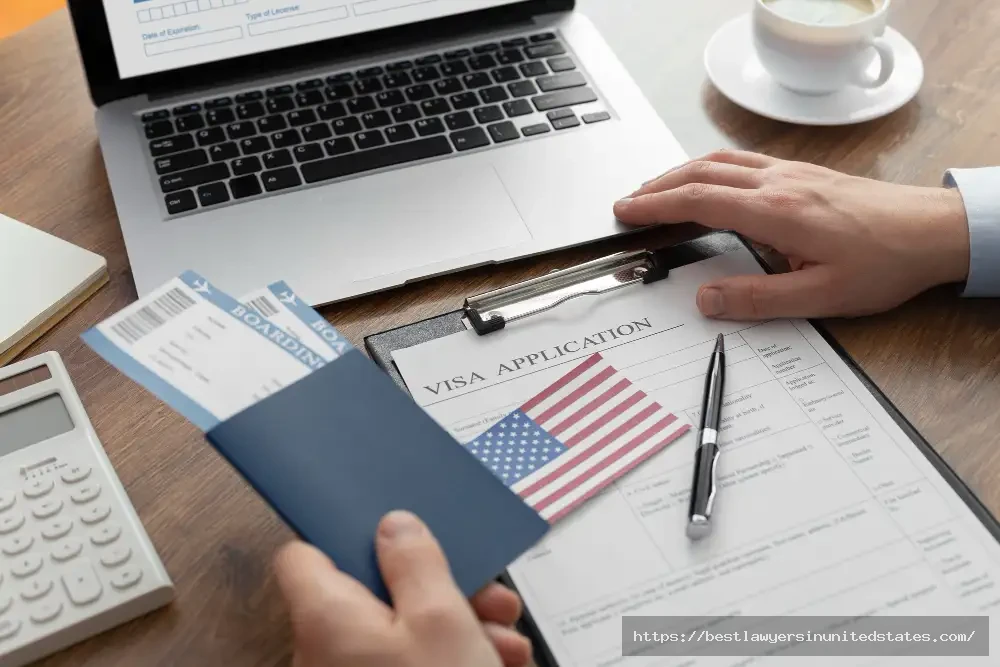
EB-2 Visa
The EB-2 visa is ideal for professionals with advanced degrees or exceptional ability. Companies often use it to bring key employees whose skills are critical to operations.
Let’s say, a tech entrepreneur from Canada wants to open a U.S. branch of their startup. Applying for the EB-2 visa is a first step, but they may also qualify for an EB-2 NIW for Entrepreneurs, which can allow them to bypass employer sponsorship and secure permanent residency based on the significant impact their business brings to the U.S. economy.
Robinson Immigration provides guidance on EB-2 applications, helping companies match their staffing needs with the appropriate visa category.
L-1 Visa
The L-1 visa allows intra-company transfers for executives, managers, or employees with specialized knowledge. It’s especially useful for multinational companies opening U.S. branches.
Example: A French luxury goods company wants to move its U.S. store manager from Paris to New York. An L-1 visa lets them relocate smoothly, ensuring leadership continuity. Missing the L-1 window could result in losing valuable management expertise at a crucial time, affecting operations and customer experience.
For businesses planning international transfers, Robinson Immigration can help navigate documentation and approval timelines.
E-2 Visa
The E-2 visa is designed for investors from treaty countries who want to start or purchase a U.S. business. It’s ideal for companies looking to inject capital and create jobs quickly.
Scenario: A Brazilian entrepreneur invests in a boutique hotel in Miami. Without the E-2 visa, they cannot legally manage daily operations, putting the investment at risk. Proper visa planning allows them to oversee operations, hire staff, and grow the business without legal interruptions.
Not sure which visa best supports your U.S. expansion goals? Every business situation is unique, and choosing the wrong visa can lead to delays, added costs, or missed opportunities. Schedule a free visa evaluation with Robinson Immigration to assess eligibility, timelines, and the best strategy for your business, employees, or investment plans—before you move forward with confidence.
Robinson Immigration offers tailored guidance to ensure investors select the right visa for their expansion goals.
What Are Common Challenges And Pitfalls?
Even with the right visa category, businesses face challenges that can exacerbate problems if not addressed:
- Processing Delays: USCIS processing times can vary from weeks to months. A single delay in visa approval can push back launches, product releases, or funding milestones.
- Regulatory Compliance: Failure to meet immigration requirements can result in fines, denied applications, or even employee deportation.
- Limited Awareness: Companies may misidentify the visa type needed, wasting time and money on the wrong application.
For instance, a Singaporean tech firm assumed a business visitor visa was enough for a short-term project. They started operations prematurely and faced compliance issues that delayed their expansion by six months, costing tens of thousands in lost contracts.
These scenarios highlight why immigration law is not just a bureaucratic hurdle—it’s a strategic business factor.
How Can Legal Guidance Mitigate These Risks?
Working with immigration experts helps businesses anticipate and avoid pitfalls. Immigration lawyers and consultants provide:
- Detailed analysis of visa eligibility and strategic options.
- Step-by-step guidance on application and documentation.
- Support in handling delays, Requests for Evidence (RFEs), or denials.
For example: An Indian IT company needed multiple engineers for its new U.S. office. With expert guidance from Robinson Immigration, the company filed EB-2 and L-1 visas correctly, reducing processing delays and ensuring staff availability at launch. The result: the office opened on time, and the company gained a competitive edge.
Having an experienced partner transforms immigration from a risk into a growth enabler. It ensures that businesses stay compliant while accessing the talent and capital they need to thrive.
Why Planning Ahead Makes All The Difference?
Immigration issues often become urgent because companies treat them as last-minute tasks. Early planning allows businesses to:

- Align visa processing with expansion timelines.
- Budget for application fees and legal support.
- Identify alternative visa strategies if approvals are delayed.
The consequences of ignoring immigration law can be severe: stalled growth, lost revenue, damaged reputation, and missed opportunities. Companies that integrate immigration planning into their expansion strategy avoid these pitfalls and maintain momentum.
Aligning visa strategy with long-term business planning allows companies to scale operations, manage costs, and avoid last-minute immigration emergencies.
How Robinson Immigration Law Supports Business Expansion?
Robinson Immigration specializes in helping companies and entrepreneurs navigate U.S. immigration law. Whether it’s securing an EB-2 visa for a key employee, relocating an executive on an L-1, or managing an E-2 investment visa, Robinson Immigration provides tailored solutions.
By combining legal expertise with practical business insights, Robinson Immigration ensures that visa applications support growth rather than delay it. Their guidance turns complex processes into a clear roadmap, allowing companies to focus on scaling operations and capturing market opportunities.
Conclusion
Immigration law is not just paperwork. It shapes who can join your team, how quickly you can launch operations, and how efficiently your investment can take root. Understanding visa options like EB-2, L-1, and E-2 is essential for strategic planning.
Businesses that approach U.S. expansion without considering immigration risk costly delays, compliance issues, and missed opportunities. Partnering with experts like Robinson Immigration ensures that your team, leadership, and investors can operate legally and effectively from day one.
For companies aiming to grow in the U.S., immigration law isn’t a barrier—it’s a tool. The sooner you plan, the sooner your expansion can succeed.
Consult Robinson Immigration Law for personalized visa guidance and turn U.S. immigration law into a strategic advantage for your business.

Comments