
The Olaplex lawsuit is one of the biggest consumer product liability cases moving through federal courts in 2026. Thousands of customers say these popular hair care products caused serious hair loss, breakage, and scalp damage instead of the “bond repair” results the brand promised.
If you used Olaplex products and noticed your hair falling out or your scalp burning, you may be part of this case. The class action covers several products sold between 2014 and 2024, and settlement talks have picked up momentum this year.
This article breaks down everything happening with the case right now. You’ll find updated timelines, payout estimates, eligibility rules, filing steps, and the specific products named in court documents.
One detail that surprises most people: the ingredient at the center of this lawsuit, lilial, was actually banned by the European Union in 2022 over safety concerns. Olaplex kept selling products containing it in the United States.
Olaplex Lawsuit 2026: What You Need to Know Right Now
The Olaplex lawsuit in 2026 is in active litigation with settlement negotiations ongoing in federal court. The case has moved past early procedural stages and into substantive discovery, meaning both sides are exchanging evidence and building their arguments.
Multiple lawsuits filed across the country were consolidated into coordinated proceedings in the U.S. District Court for the Central District of California. This consolidation happened because so many individual claims shared the same core allegations: that Olaplex products caused hair damage rather than preventing it.
The number of plaintiffs continues to grow. Estimates suggest tens of thousands of consumers have registered interest in the case or filed individual claims.
| Detail | Info |
|---|---|
| Court | U.S. District Court, Central District of California |
| Case Type | Class Action / Product Liability |
| Primary Allegation | Hair loss and scalp damage from Olaplex products |
| Key Ingredient | Lilial (butylphenyl methylpropional) |
| Products Period | 2014 to 2024 |
| Current Phase | Discovery and Settlement Negotiations |
What makes 2026 significant is the court’s push toward resolution. The judge has set multiple deadlines designed to move this case toward either a trial date or a finalized settlement agreement.
Understanding the Olaplex Class Action Lawsuit
The Olaplex class action lawsuit is a collective legal action filed by consumers who say they suffered hair loss, hair breakage, and scalp problems after using Olaplex branded products. The case combines thousands of individual claims into one proceeding.
Class action lawsuits work like a group effort. Instead of each person hiring a lawyer and filing separately, one legal team represents everyone. This saves time, reduces costs, and puts more pressure on the defendant company to settle.
The lead plaintiffs in this case are everyday consumers. They bought Olaplex products at Sephora, Ulta Beauty, Amazon, and salon retailers across the country. Their experiences followed a similar pattern: they used the products expecting healthier hair and got the opposite.
Think of it like buying a fire extinguisher that actually starts fires. The product did the exact opposite of what it claimed.
- Lead plaintiffs represent the entire class of affected buyers
- Class certification has been sought in federal court
- Defendants include Olaplex Holdings Inc. and affiliated entities
- Legal theories include product liability, negligence, and false advertising
The class action structure means you don’t need your own attorney to benefit. If the case settles, eligible buyers can submit a claim through a streamlined process.
Olaplex Lawsuit Update: Where the Case Stands
The most recent Olaplex lawsuit update shows the case progressing through discovery in mid-2026. Both sides are deposing witnesses, reviewing internal company documents, and preparing expert reports.
Court filings from early 2026 reveal that plaintiffs’ attorneys obtained internal Olaplex communications. These documents reportedly show the company was aware of consumer complaints about hair loss well before making any formula changes.
Settlement discussions are happening in parallel with litigation. A court-appointed mediator has been involved since late 2025, which is a strong signal that both sides want to avoid a full trial. Mediation doesn’t guarantee a deal, but it means the door is open.
Key 2026 developments include:
- Expert witness reports filed on ingredient toxicity
- Internal company emails entered into evidence
- Mediation sessions held with a neutral mediator
- Class certification arguments submitted to the court
The plaintiffs’ legal team has stated publicly that they believe the evidence supports a strong case. Olaplex Holdings has continued to deny liability while participating in settlement talks.
Key Takeaway: The Olaplex lawsuit is actively moving through federal court in 2026, with settlement negotiations running alongside the litigation process and new evidence emerging from company records.
Current Olaplex Lawsuit Status in 2026
The current Olaplex lawsuit status in 2026 is pre-trial with active settlement mediation. No final settlement has been approved yet, but the trajectory suggests resolution could come before year’s end.
Here’s a timeline showing how the case has progressed:
| Year | Milestone |
|---|---|
| 2022 | Initial lawsuits filed in multiple states |
| 2023 | Cases consolidated in Central District of California |
| 2024 | Discovery phase begins; class certification motion filed |
| 2025 | Mediation begins; expert reports commissioned |
| 2026 | Discovery ongoing; settlement negotiations active |
The judge overseeing the case has pushed both parties to meet specific deadlines. That kind of judicial pressure often speeds up resolution. Courts don’t like cases sitting on dockets for years.
If settlement talks fail, the case could head to trial in late 2026 or early 2027. Trial would mean a jury decides the outcome. Most product liability class actions settle before reaching that point because trials are expensive and unpredictable for both sides.
Right now, the smart money is on a settlement announcement sometime in the second half of 2026. But nothing is guaranteed until the judge signs off.
Olaplex Hair Loss Lawsuit Claims Explained
The Olaplex hair loss lawsuit centers on claims that certain Olaplex products caused users to lose significant amounts of hair. Plaintiffs report everything from noticeable thinning to large bald patches.
These aren’t minor complaints. Some plaintiffs documented dramatic hair loss that started within weeks of regular Olaplex use. Medical records submitted in the case include dermatologist diagnoses of alopecia linked to product exposure.
The hair loss claims break down into several categories:
- Diffuse thinning: Overall reduction in hair density across the scalp
- Patch hair loss: Concentrated bald spots in specific areas
- Excessive shedding: Abnormal amounts of hair falling out during washing or brushing
- Permanent loss: Hair that never grew back even after stopping product use
Plaintiffs argue that Olaplex knew or should have known that ingredients in their formulas could damage hair follicles. The company marketed its products as scientifically designed to repair broken hair bonds. Instead, some users say the products destroyed their hair.
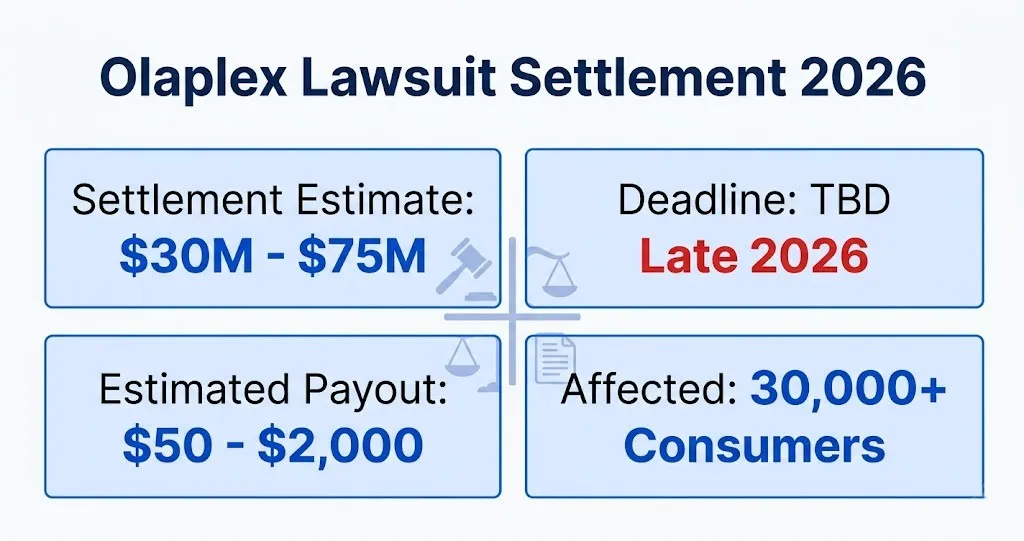
Bold stat: Court filings reference over 30,000 consumer complaints reported to Olaplex and third-party review platforms about hair loss between 2019 and 2024.
Olaplex Hair Damage Lawsuit Allegations
The Olaplex hair damage lawsuit alleges that products caused breakage, dryness, brittleness, and texture changes beyond just hair loss. These claims cover a wider range of harm than shedding alone.
Hair damage is different from hair loss. You might keep your hair but find it’s straw-like, snapping off at random lengths, or completely changed in texture. Many plaintiffs describe their hair becoming unmanageable and damaged beyond repair.
The allegations specifically state:
- Olaplex products weakened hair shafts instead of strengthening them
- Bond-building claims were false and misleading
- The company used marketing that contradicted known product risks
- Consumers relied on scientific-sounding language to trust the products
Several plaintiffs were salon professionals. They used Olaplex treatments on their clients and on themselves. When multiple clients reported damage, these stylists became some of the first people to raise red flags publicly.
| Type of Damage | Description | Reported Frequency |
|---|---|---|
| Breakage | Hair snapping at mid-shaft or ends | Very Common |
| Texture Change | Curly hair going limp; smooth hair becoming rough | Common |
| Dryness | Extreme lack of moisture despite conditioning | Common |
| Chemical Burn Feeling | Tingling or burning during application | Less Common |
The damage allegations strengthen the overall case because they show a pattern. It wasn’t one bad batch. Thousands of people across different product lines reported similar problems.
The Olaplex Lilial Lawsuit Connection
Lilial, a chemical formally called butylphenyl methylpropional, is the ingredient at the heart of the Olaplex lawsuit. The European Union banned lilial from cosmetics in March 2022 after classifying it as a suspected reproductive toxicant.
Here’s where things get uncomfortable for Olaplex. The EU ban happened because scientific studies raised serious safety concerns. Yet Olaplex products containing lilial continued to be sold in the United States, where the FDA doesn’t regulate cosmetic ingredients as strictly.
Plaintiffs argue that Olaplex knew about the EU ban and the science behind it. They say the company should have removed lilial from U.S. products immediately. Instead, products sat on shelves at Sephora, Ulta, and Amazon for months after the EU took action.
Lilial was used as a fragrance ingredient. It gave products a pleasant floral scent. But plaintiffs claim it also contributed to scalp irritation and hair follicle damage.
Quick Facts: Lilial
- Chemical name: Butylphenyl methylpropional
- Used as: Fragrance ingredient in hair and skin products
- EU status: Banned in cosmetics since March 2022
- FDA status: Not specifically banned in the U.S.
- Found in: Multiple Olaplex product formulations
Olaplex eventually reformulated its products to remove lilial. But by that point, millions of units containing the ingredient had already been sold and used by consumers.
Key Takeaway: The banned ingredient lilial is the scientific backbone of the lawsuit, and the gap between the EU ban and Olaplex’s U.S. reformulation is a central point of contention in the case.
Olaplex Settlement: What Has Been Proposed
No final Olaplex settlement has been approved by the court as of mid-2026. Settlement negotiations are active, and both parties have engaged in mediation, but a binding agreement has not been reached yet.
What we know from court filings and legal reporting is that the plaintiffs’ team has proposed a settlement framework. The exact dollar figures remain confidential during mediation, which is standard practice. Courts often seal these discussions until a deal is finalized.
Based on similar product liability class actions in the beauty and personal care space, legal analysts project a settlement fund in the range of $30 million to $75 million. The wide range reflects uncertainty about how many claimants will ultimately participate.
Here’s how settlement typically works in cases like this:
- A total settlement fund is established
- The court appoints a claims administrator
- Eligible class members submit claims
- Payments are distributed based on claim tier
- Attorney fees (usually 25% to 33%) come from the fund
The process from settlement announcement to checks in hand usually takes 6 to 12 months. If a deal is reached in late 2026, payments would likely start in mid to late 2027.
Olaplex Lawsuit Settlement Amount Breakdown
The Olaplex lawsuit settlement amount has not been finalized, but projections based on the case scope suggest a fund between $30 million and $75 million. The actual number depends on several factors still being negotiated.
What determines the total settlement amount? It comes down to how many people were harmed, the severity of injuries, the strength of the evidence, and what Olaplex can afford to pay. Olaplex Holdings reported revenues of over $400 million in recent years, so they have financial capacity.
| Factor | Impact on Settlement Amount |
|---|---|
| Number of Claimants | More claimants = larger total fund needed |
| Severity of Injuries | Permanent hair loss claims push the number higher |
| Evidence Strength | Internal documents showing knowledge increase pressure |
| Company Revenue | Olaplex’s financial health affects what they can pay |
| Legal Precedent | Similar beauty product settlements set benchmarks |
For comparison, the WEN Hair Care class action settled for $26 million in 2017 with about 220,000 claimants. The DevaCurl lawsuit reached a $5.2 million settlement. The Olaplex case is larger in scope than both, which is why analysts project a bigger fund.
Olaplex’s legal team will push for a lower number. The plaintiffs’ attorneys will argue for more. The mediator and ultimately the judge will help determine what’s fair.
Olaplex Class Action Settlement 2026 Projections
The Olaplex class action settlement in 2026 could be announced in the second half of the year if current mediation efforts succeed. Legal insiders tracking the case say both sides have shown willingness to negotiate seriously.
A settlement announcement doesn’t mean immediate payments. After a deal is reached, there’s a process:
- Preliminary approval from the judge
- Notice period where class members are informed (usually 60 to 90 days)
- Opt-out period for those who want to pursue individual claims
- Fairness hearing where the judge considers objections
- Final approval and claims submission window opens
- Distribution of funds to approved claimants
If settlement is announced by October 2026, the realistic timeline for first payments would be Q2 or Q3 2027. That’s the fastest a class action settlement typically moves after announcement.
Some legal observers believe the case could also go to trial if negotiations stall. A trial verdict could mean a larger payout for plaintiffs but also carries the risk of losing entirely. Most class action attorneys prefer the certainty of settlement over the gamble of trial.
Bold stat: Approximately 85% of product liability class actions settle before trial, according to federal court data.
Olaplex Lawsuit Payout Per Person Estimates
Estimated Olaplex lawsuit payouts per person range from $50 to $2,000 or more, depending on the severity of harm and the evidence provided with each claim. People with documented permanent hair loss will receive the most.
Class action payouts are never one-size-fits-all. They’re typically distributed in tiers based on what happened to you and what you can prove.
| Claim Tier | Estimated Payout | What Qualifies |
|---|---|---|
| Tier 1: Basic | $50 to $150 | Purchased product, minor or no documented harm |
| Tier 2: Moderate | $150 to $500 | Documented hair breakage or thinning |
| Tier 3: Significant | $500 to $1,200 | Medical records showing hair loss or scalp damage |
| Tier 4: Severe | $1,200 to $2,000+ | Permanent hair loss, extensive medical treatment |
These are estimates based on comparable beauty product settlements. The actual amounts won’t be confirmed until a settlement is finalized and a claims administrator sets the payment structure.
Keep in mind that the total fund gets divided among all eligible claimants. If 100,000 people file claims against a $50 million fund (after attorney fees), the average payout per person drops. This is why individual documentation matters so much. Stronger claims get bigger shares.
You can improve your payout by gathering receipts, medical records, and photos taken before and after product use.
Key Takeaway: Your individual payout from the Olaplex lawsuit depends on your claim tier, with amounts ranging from $50 for basic claims to over $2,000 for those with documented permanent hair loss and medical records.
Who Qualifies for the Olaplex Lawsuit
You may qualify for the Olaplex lawsuit if you purchased and used Olaplex hair care products and experienced hair loss, hair damage, breakage, or scalp irritation. The class definition covers U.S. consumers who bought products during a specific time period.
The eligibility window covers purchases made between roughly 2014 and 2024. Exact dates will be confirmed in the final settlement agreement, but this range covers the period when the products in question were sold with the contested formulations.
You likely qualify if:
- You bought Olaplex products at retail stores, salons, or online
- You used the products on your hair or scalp
- You experienced hair loss, breakage, thinning, or scalp irritation
- Your purchase occurred during the class period
- You are a U.S. resident or purchased the products in the U.S.
You may NOT qualify if:
- You bought the products but never used them
- Your hair issues existed before using Olaplex
- You only used reformulated versions (post-2023 in some cases)
- You already settled an individual claim against Olaplex
Salon professionals who used the products on themselves may also qualify. Stylists who used Olaplex treatments in their work and experienced personal harm have filed as class members.
You don’t need to have filed an individual lawsuit to be part of the class. If you fall within the class definition, you’re automatically included unless you opt out.
How to File an Olaplex Lawsuit Claim
To file an Olaplex lawsuit claim, you will need to submit a claim form through the official settlement website once a settlement is finalized and approved by the court. No claim form is available yet because the settlement hasn’t been officially announced.
Here’s what the filing process will look like once it opens:
- Visit the official settlement website (address will be announced by the court)
- Complete the claim form with your personal information
- Provide proof of purchase if available (receipts, order confirmations, loyalty program records)
- Describe your injuries including hair loss, damage, or scalp problems
- Submit supporting documents such as medical records or photos
- Wait for claim review by the administrator
Right now, the most important thing you can do is prepare. Start gathering your evidence today so you’re ready when the window opens.
Quick Prep Checklist:
- Search email for Olaplex order confirmations
- Check credit card or bank statements for purchases
- Pull loyalty program records from Sephora, Ulta, or Amazon
- Take current photos of your hair and scalp condition
- Request medical records from any dermatologist visits
- Write down a timeline of when you used the products and when problems started
The claims window typically stays open for 90 to 180 days after final settlement approval. Missing the deadline means forfeiting your right to payment.
Evidence Needed for the Olaplex Lawsuit
The evidence needed for the Olaplex lawsuit includes proof of purchase, documentation of harm, and ideally medical records connecting your hair or scalp issues to product use. Stronger evidence means a higher payout.
Not everyone will have every type of evidence. That’s okay. Claims administrators understand that people don’t keep receipts from three years ago. But the more you can provide, the better your claim will be.
Best evidence to strengthen your claim:
| Evidence Type | How It Helps | Where to Find It |
|---|---|---|
| Purchase receipts | Proves you bought the products | Email, bank statements, store apps |
| Medical records | Documents the injury professionally | Dermatologist, primary care doctor |
| Before/after photos | Visual proof of hair changes | Phone camera roll, social media |
| Product containers | Shows specific product and batch | Home bathroom, stored items |
| Written timeline | Shows cause-and-effect pattern | Personal notes, diary entries |
Even without receipts, you can still file a claim. Many class action settlements allow “attestation claims” where you swear under penalty of perjury that you purchased and used the product. These claims typically receive lower-tier payouts.
If you visited a dermatologist about your hair loss, those records are gold. A medical professional’s documentation linking your symptoms to a product creates a much stronger case than personal testimony alone.
Olaplex Lawsuit Deadline: Key Dates to Watch
The Olaplex lawsuit deadline for filing claims has not been set yet because the settlement hasn’t been finalized. Once a settlement is approved, the court will announce a specific claims deadline, typically 90 to 180 days from the notice date.
Here are the key dates and milestones to watch:
| Date/Timeframe | Event |
|---|---|
| Mid-2026 | Settlement negotiations ongoing |
| Late 2026 (projected) | Potential settlement announcement |
| 60 to 90 days after announcement | Notice period and claim form availability |
| 90 to 180 days after notice | Claims submission deadline |
| 6 to 12 months after final approval | First payments distributed |
Missing the claims deadline is permanent. Once the window closes, you cannot go back and file. The court doesn’t make exceptions for people who didn’t know or forgot. This is why staying informed matters.
How to make sure you don’t miss the deadline:
- Sign up for case updates through the plaintiffs’ law firm websites
- Set a calendar reminder to check the case status monthly
- Watch for official court notices if you’re already part of the class
- Monitor consumer rights news outlets for settlement announcements
If Olaplex and the plaintiffs cannot reach a settlement, the case could go to trial. A trial doesn’t have the same “claims deadline” structure. Instead, damages would be determined by a jury verdict.
Key Takeaway: No claims deadline has been set yet, but once the settlement is announced, you’ll likely have 90 to 180 days to file, so start gathering your evidence now and monitor the case monthly.
Olaplex Scalp Irritation Claims
Olaplex scalp irritation claims allege that certain products caused burning, itching, redness, flaking, and chemical-burn-like reactions on the scalp. These claims are separate from but related to the hair loss allegations.
Some users reported immediate reactions. They applied the product and felt a burning sensation within minutes. Others experienced a slower onset, with irritation building over days or weeks of regular use.
The scalp irritation claims matter because they suggest the product’s formula was too harsh for direct skin contact. Olaplex products are designed to be applied to the hair shaft and, in many cases, the scalp itself. If the formula irritates the scalp, that’s a product safety failure.
Commonly reported scalp symptoms:
- Intense itching that started after first use
- Red, inflamed patches on the scalp
- Flaking and peeling similar to a chemical burn
- Tender or sore spots where product was applied
- Persistent dryness even after stopping use
Dermatologists who examined plaintiffs documented contact dermatitis in several cases. Contact dermatitis is a medical term for skin inflammation caused by direct contact with an irritating substance. In this context, the irritating substance was an Olaplex product.
These scalp claims add weight to the overall lawsuit. They show that the problems weren’t limited to hair strands. The products allegedly caused real, measurable harm to living skin tissue.
Which Olaplex Products Are Included in the Lawsuit
The Olaplex products included in the lawsuit span the brand’s core product line, with the most frequently named products being No. 3 Hair Perfector, No. 4 Bond Maintenance Shampoo, No. 5 Bond Maintenance Conditioner, and No. 0 Intensive Bond Building Treatment.
Here’s a breakdown of the products specifically referenced in court filings:
| Product | Product Type | Named in Lawsuit |
|---|---|---|
| Olaplex No. 0 | Intensive Bond Building Treatment | Yes |
| Olaplex No. 3 | Hair Perfector | Yes (most cited) |
| Olaplex No. 4 | Bond Maintenance Shampoo | Yes |
| Olaplex No. 5 | Bond Maintenance Conditioner | Yes |
| Olaplex No. 6 | Bond Smoother | Yes |
| Olaplex No. 7 | Bonding Oil | Under review |
| Olaplex No. 8 | Bond Intense Moisture Mask | Under review |
The No. 3 Hair Perfector is the most frequently mentioned product in individual claims. It’s Olaplex’s bestselling product and the one most consumers recognize. It’s designed as a weekly treatment applied directly to the hair and scalp.
Not every Olaplex product is necessarily included. Some newer formulations that were developed after the lilial removal may not be covered. The class definition will specify exactly which product versions and batch numbers fall within the case.
If you used any of the products listed above during the class period, you should consider yourself potentially eligible. Even if you only used one product, your claim is valid.
Is Olaplex Safe to Use Now
Olaplex has reformulated its products to remove lilial, and the current versions sold in stores do not contain the banned ingredient. Whether they are “safe” depends on individual sensitivity and how you define safety.
The company announced its reformulation in late 2022 and early 2023. Products manufactured after those dates should not contain butylphenyl methylpropional. However, old stock containing lilial may have remained on some retail shelves for months after the change.
What changed in the new formula:
- Lilial was removed from all products
- New fragrance compounds replaced the old formula
- Olaplex stated the reformulated products underwent additional testing
- The core “bis-aminopropyl diglycol dimaleate” active ingredient remained the same
Some consumers report that the reformulated products work fine without issues. Others remain skeptical and have switched to alternative brands entirely. Social media discussions show divided opinions.
If you’re considering using Olaplex now, check the batch number and manufacturing date on the product. This information is printed on the packaging. Products made after mid-2023 should reflect the new formula.
The lawsuit covers products with the old formulation. Using current Olaplex products doesn’t affect your eligibility for the class action if you were harmed by older versions.
Quick Facts:
- Old formula (pre-2023): Contained lilial; covered by lawsuit
- New formula (post-2023): Lilial removed; not covered by lawsuit
- How to check: Look for manufacturing date on packaging
Key Takeaway: Olaplex removed the controversial lilial ingredient from its products in 2022/2023, and current formulations should not contain it, but products bought before the reformulation are the ones at issue in this lawsuit.
Frequently Asked Questions
How much money can I get from the Olaplex lawsuit?
Most claimants can expect between $50 and $2,000 depending on their claim tier.
The amount depends on your proof of purchase, medical documentation, and the severity of your hair loss or damage.
Higher-tier claims with dermatologist records and permanent hair loss could receive the maximum payout range.
What is the deadline to file an Olaplex lawsuit claim?
No official deadline has been set yet because the settlement hasn’t been finalized.
Once a settlement is approved, the claims window will typically stay open for 90 to 180 days.
Monitor the case through legal news sources so you don’t miss the announcement.
Which Olaplex products are part of the class action lawsuit?
The lawsuit primarily covers No. 0, No. 3, No. 4, No. 5, and No. 6 products sold during the class period.
These products were manufactured with the original formula containing lilial.
Reformulated versions sold after mid-2023 are not part of the current case.
Do I need a receipt to join the Olaplex class action?
Receipts strengthen your claim but aren’t always required.
Many class action settlements allow attestation claims where you swear you purchased the product.
Check credit card statements, email order confirmations, and store loyalty apps for purchase records.
Is the Olaplex lawsuit settled yet in 2026?
The Olaplex lawsuit has not reached a final settlement as of mid-2026.
Settlement mediation is active, and legal analysts project a possible agreement in late 2026.
If negotiations fail, the case could proceed to trial in late 2026 or early 2027.
This case isn’t going away. If Olaplex products left you with damaged hair, bald patches, or a raw scalp, your experience matters. The evidence is building, the lawyers are pushing, and a resolution is getting closer.
Start gathering your purchase records, medical documentation, and photos today. When the claims window opens, you’ll want to be ready to file immediately.
Stay on top of case updates. Set a monthly reminder. This is your money, and missing the deadline means losing it for good.
