
What is IPC 506? (Criminal Intimidation)
Section 506 IPC prescribes punishment for criminal intimidation. In plain terms, criminal intimidation occurs when someone intentionally threatens another with injury to person, reputation, or property (or to someone they care about), with the intent to cause alarm or to make them do (or stop doing) something they are legally entitled to do.
Essential Ingredients (What must be proven)
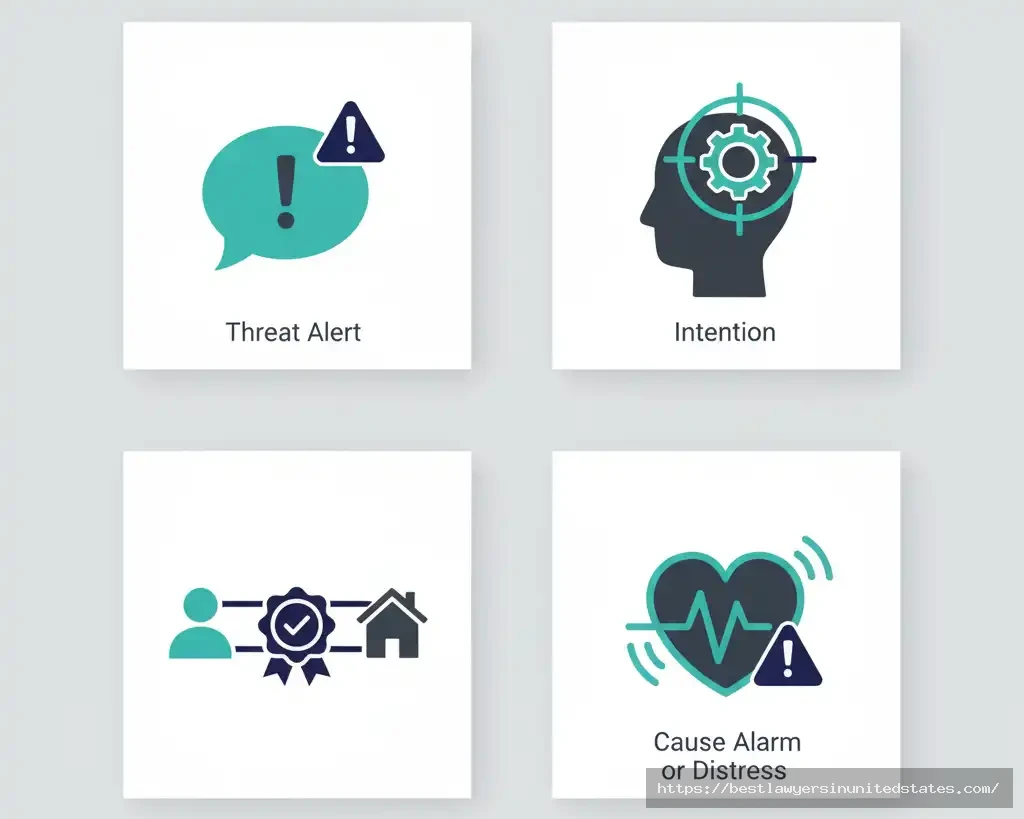
- Threat: There must be a communication of threat (words, gestures, messages, calls, etc.).
- Intention (mens rea): The threat must be intentional, aiming to cause alarm or coerce action/inaction.
- Object of threat: Injury could relate to person, reputation, or property, including to close relations.
- Causation: The communication is capable of causing fear of injury (reasonable apprehension in context).
506(1) vs 506(2): Punishment & Aggravation
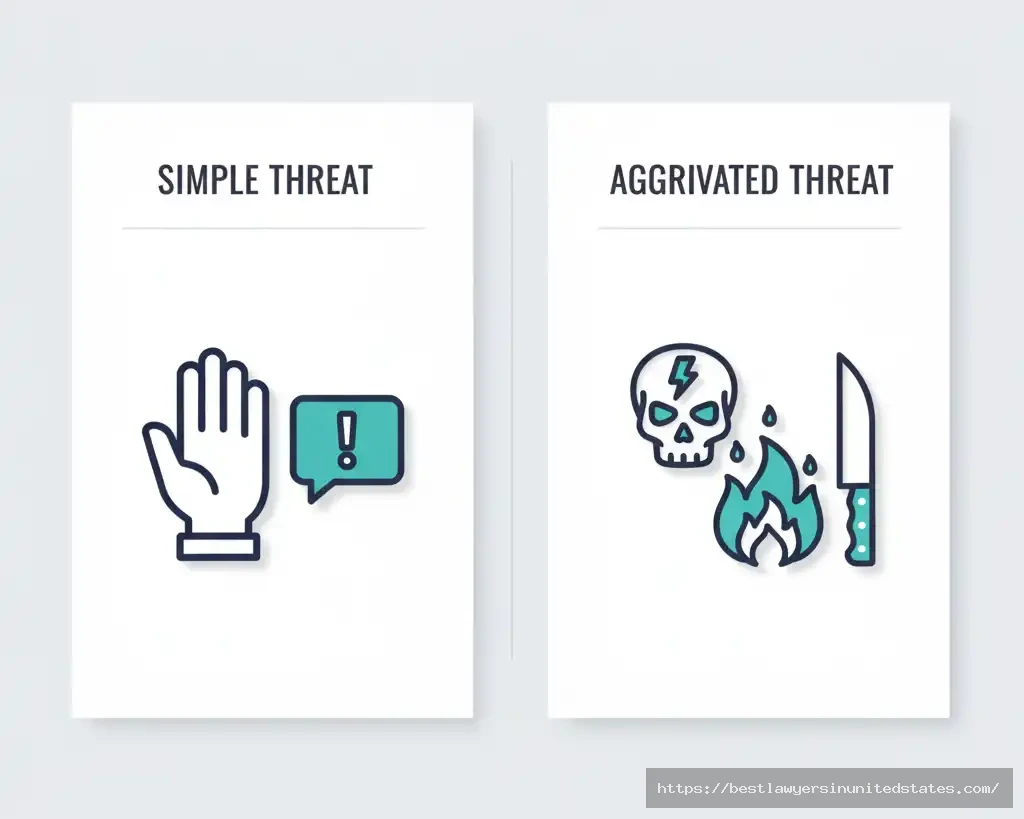
506(1) IPC (basic intimidation) and 506(2) IPC (aggravated intimidation) are commonly referenced in practice:
- 506(1) — punishment for simple criminal intimidation.
- 506(2) — enhanced punishment when the threat is especially grave (e.g., threats of death, grievous hurt, destruction by fire, etc.).
Because classification (bailable/non-bailable; cognizable/non-cognizable) may vary by State amendments and practice, treat the following as a framework. Always verify with the latest Schedule I CrPC classification and local notifications.
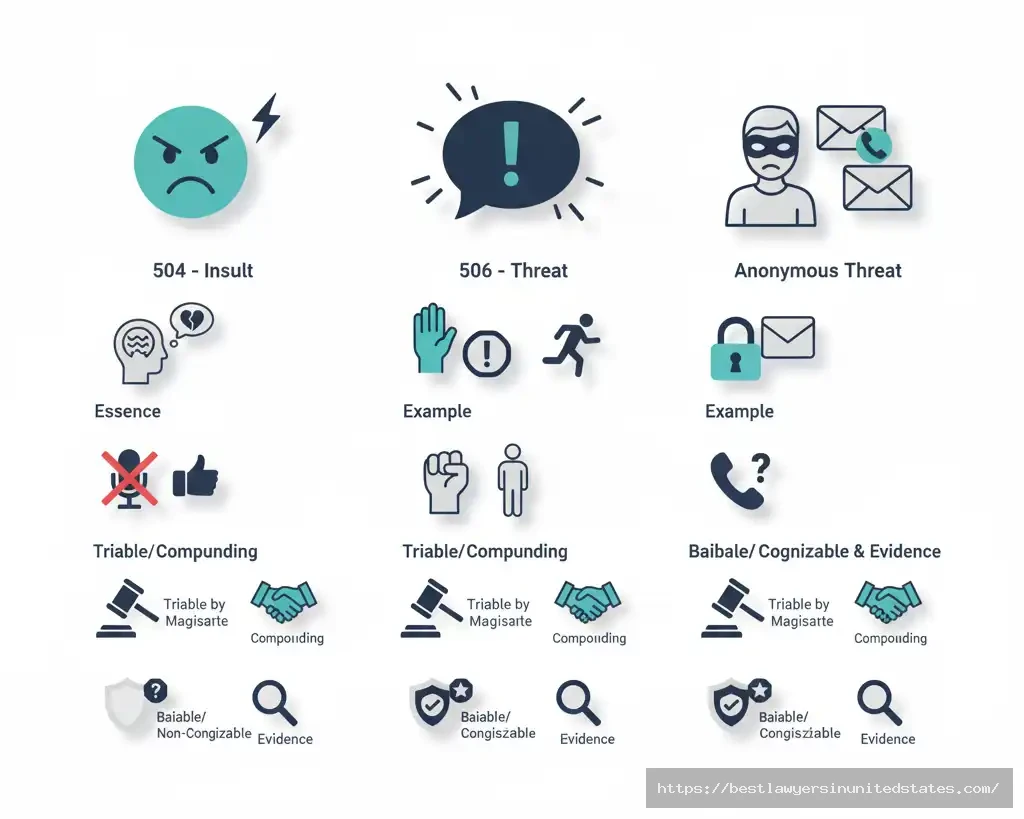
Quick Comparison: 504 vs 506 vs 507 (Essence & Proof)
| Provision | Essence (one-line) | Typical Example | Bailable?* | Cognizable?* | Compoundable? (S. 320 CrPC)* | Triable by* | Evidence that helps |
|---|---|---|---|---|---|---|---|
| IPC 504 (Intentional insult) | Intentional insult provoking breach of peace | Public slur aimed to provoke a fight | Varies by State | Varies by State | Often compoundable in practice (check local list) | Magistrate | Witnesses, video, audio, context of provocation |
| IPC 506(1) (Criminal intimidation) | Intentional threat to cause fear of injury | “I’ll ruin your reputation unless you pay” | Varies by State | Varies by State | May be compoundable (verify class and parties) | Magistrate | Calls, texts, emails, DMs, witnesses, conduct |
| IPC 506(2) (Aggravated intimidation) | Threats of death/GBH/arson etc. | “I’ll kill you” with context indicating intent | Varies by State | Varies by State | Rarely compoundable; check S.320 CrPC list | Magistrate (higher seriousness) | Explicit threats, prior enmity, weapons, recordings |
| IPC 507 (Anonymous intimidation) | Criminal intimidation by anonymous communication | Threatening letter/call masking identity | Varies by State | Varies by State | Depends on classification | Magistrate | Call logs, IP/headers, handwriting/forensics |
Important: The bailable/non-bailable and cognizable/non-cognizable status can differ across States due to amendments. Always verify Schedule I CrPC and local State law before you advise or act.
For each offence, focus on the evidence that typically proves it—from messages and witnesses (504/506) to headers/logs for anonymous threats (507).
How Criminal Intimidation Is Proven (Evidence & Practical Proof)
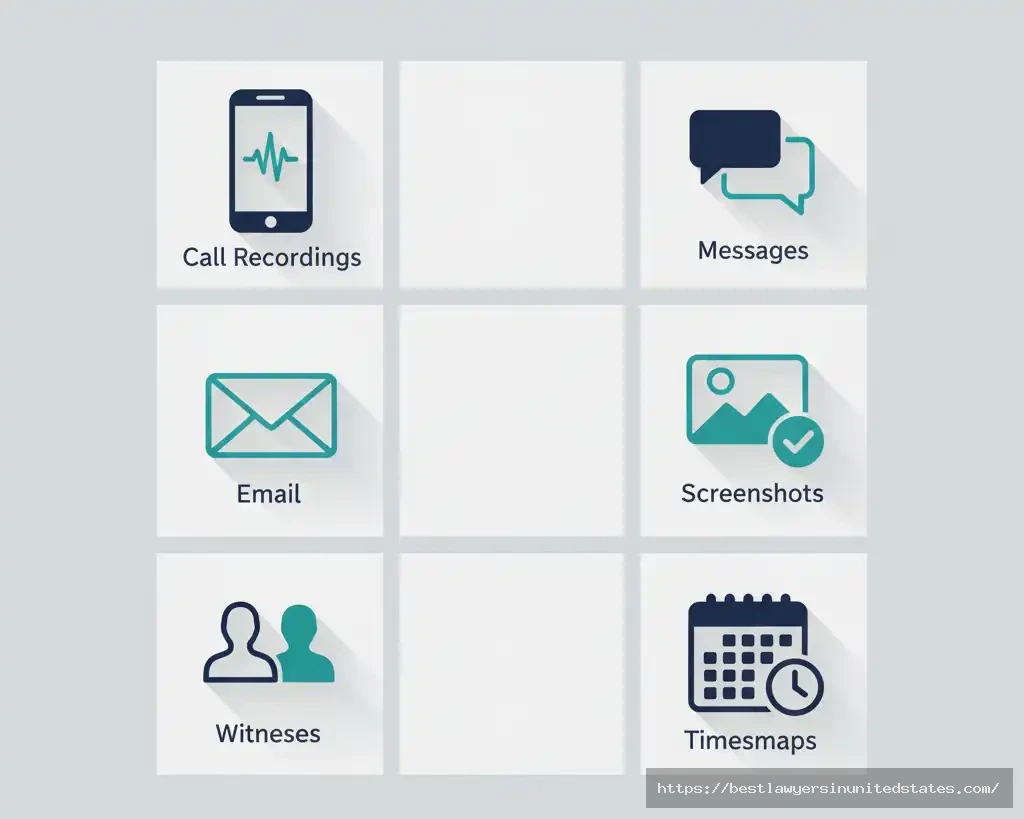
Electronic & documentary proof are central:
- Electronic evidence—call recordings, WhatsApp messages, emails, and social posts—often decides IPC 506 cases.
- Texts/WhatsApp/Emails/DMs (retain originals; take forensic-ready exports/printouts).
- Screenshots + device metadata (avoid heavy edits; keep originals).
- Witness statements (who heard/saw the threat).
- Context evidence: prior disputes, extortion demands, stalking patterns.
- Anonymous threats: preserve envelopes, headers, IP logs, timestamps (IPC 507 angle).
Pro tip: Keep a chain of custody for digital evidence. Don’t forward or edit originals—export, backup, and hand over copies to the Investigating Officer (IO).
Classification: Bailable/Non-Bailable & Cognizable/Non-Cognizable (How to Check)
Because users often search “506 IPC bailable or not”, “cognizable or not”, the correct, practical answer is:
- Check Schedule I CrPC classification for the offence.
- Check State amendments/notifications (some States upgrade/degrade bailability or cognizability for specific sub-clauses like 506(2)).
- Confirm on the ground with your police station/Magistrate Court practice.
Treat online tables with caution. Use the latest gazette or trusted legal databases. When in doubt, mention the State and sub-clause explicitly (e.g., “506(2) threats of death in ___ State”).
From Threat to Case: Step-by-Step Process (Complaint → Trial)
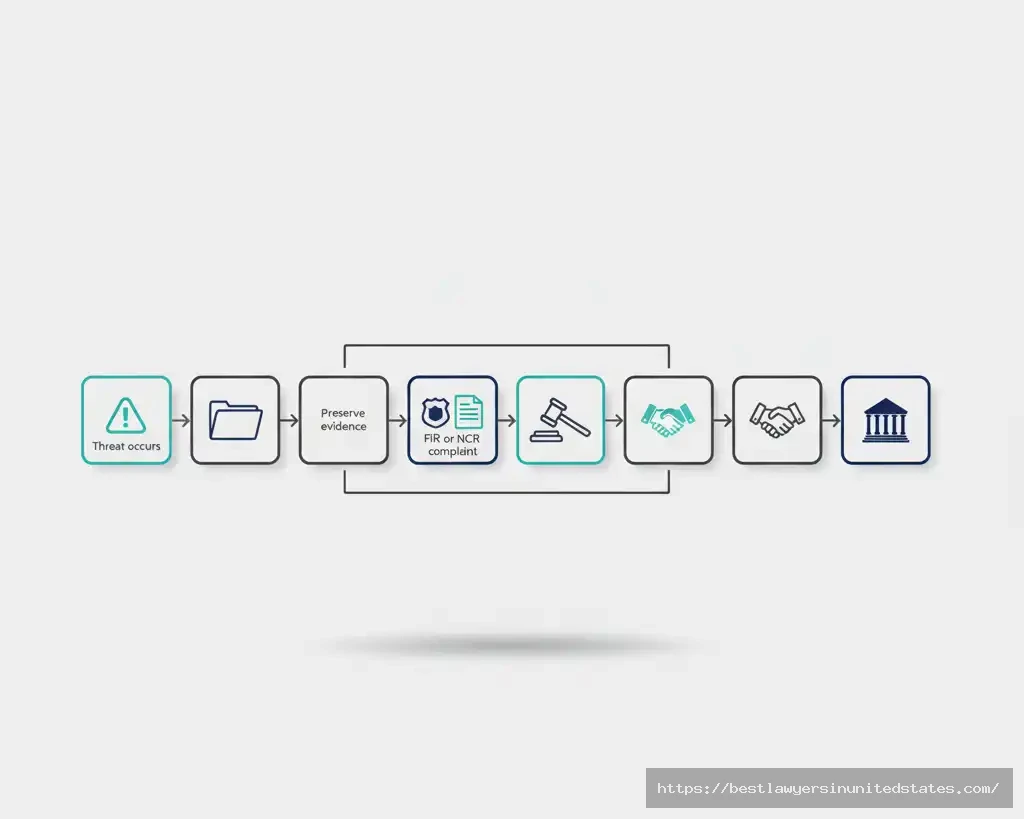
A. Immediate Response (Victim)
- Preserve evidence: save messages, call logs, voicemail; note date/time.
- Document context: why the threat causes fear of injury; note witnesses.
- Decide FIR vs NCR: If cognizable, police can register FIR. If non-cognizable, police may make an NCR and direct you to the Magistrate for a complaint.
- File promptly: go to the Police Station; or file a complaint before the Magistrate narrating the ingredients of criminal intimidation.
- Protection: If threats continue, seek a restraining order or other protective directions as available.
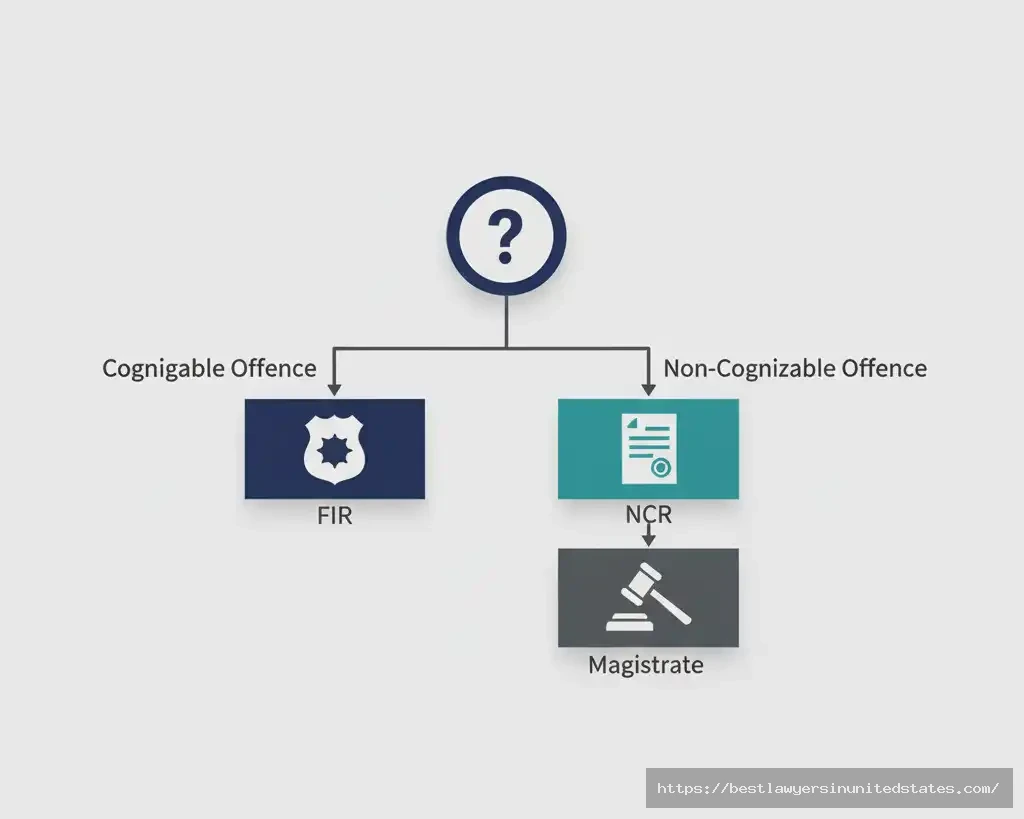
B. Investigation & Bail
- Arrest/Notice: depends on cognizability. For bailable offences, regular bail at police station may be possible; for risk of arrest, consider anticipatory bail.
- Accused rights: consult counsel early; preserve your own evidence (to rebut false implication); avoid contact with complainant. Speak to a criminal defense lawyer to assess anticipatory bail and next steps.
- Victim support: share all electronic evidence with the IO; request timely seizure of devices and CCTV if relevant.
C. Compounding & Settlement (S. 320 CrPC)
- Some forms of intimidation/related offences may be compoundable (subject to category and who may compound).
- Court permission may be required depending on the stage.
- Put terms of compromise on record carefully; don’t coerce parties.
D. Trial Snapshot
- Cognizance by Magistrate Court; framing of charge under IPC 506 (sub-clause as applicable).
- Prosecution evidence: complainant, witnesses, electronic records with certification.
- Defence: contradiction/inconsistencies, absence of communication of threat, lack of intention to cause alarm, false implication.
Practical Checklists
Victim Evidence Kit (quick action)
- Save original messages/recordings; take readable printouts.
- List dates/times, locations, witnesses.
- Note language used; if in Hindi/Marathi/Telugu/Kannada, keep the original and a clear translation.
- Screen-record voice notes (with timestamps) and backup to cloud.
- File promptly; ask for DD entry/NCR number if FIR not registered.
Accused Defence Kit (if falsely implicated)
- Preserve your own communications (context showing no intent to cause alarm).
- Save call logs, location data, alibis, third-party chats.
- Avoid contacting the complainant; speak only via counsel.
- Consider anticipatory bail where arrest risk exists; cooperate with conditions.
- Identify inconsistencies: delayed complaint without reason, absence of alarm, lack of third-party corroboration.
504/506/507 & Common Bundles (323/504/506): Why They Travel Together
- IPC 504 targets intentional insult provoking breach of peace—often precedes or accompanies intimidation.
- IPC 506 punishes the threat itself (the coercive element).
- IPC 507 addresses anonymous intimidation (letters, spoofed calls, masked accounts).
- IPC 323 (hurt) sometimes appears when intimidation escalates to actual violence.
Where intimidation overlaps with business or extortion contexts, a white-collar criminal defense lawyer can evaluate exposure
A comparative matrix (above) helps users quickly see bailable/cognizable trends, compounding under S. 320 CrPC, triable by court, and what evidence works.
Hindi/Marathi Quick-Reference of IPC Section 506
Hindi (हिन्दी)
- धारा 506 IPC (दण्ड संहिता) — आपराधिक धमकी: जान-माल/प्रतिष्ठा को नुकसान की धमकी देकर डर पैदा करना। सज़ा/जमानत/संयोजनीयता राज्य संशोधनों पर निर्भर हो सकती है। FIR/NCR की स्थिति जानने के लिए नज़दीकी थाने या मजिस्ट्रेट से संपर्क करें।
Marathi (मराठी)
- कलम 506 IPC — गुन्हेगारी धाक दाखवणे: व्यक्ती/प्रतिष्ठा/मालमत्तेला इजा करण्याची धमकी देऊन भय निर्माण करणे. शिक्षा, जामीन, प्रमाणभूतपणा राज्य दुरुस्तीनुसार बदलू शकतात।
Download the Below Guide For Detailed information
BNS Transition: “IPC 506 in BNS” (What to Tell Users)
Callout — IPC → BNS (Criminal Intimidation): This article discusses the offence commonly known as criminal intimidation (earlier referenced as “IPC 506”). Before relying on older labels, confirm the current BNS section number and punishment band.
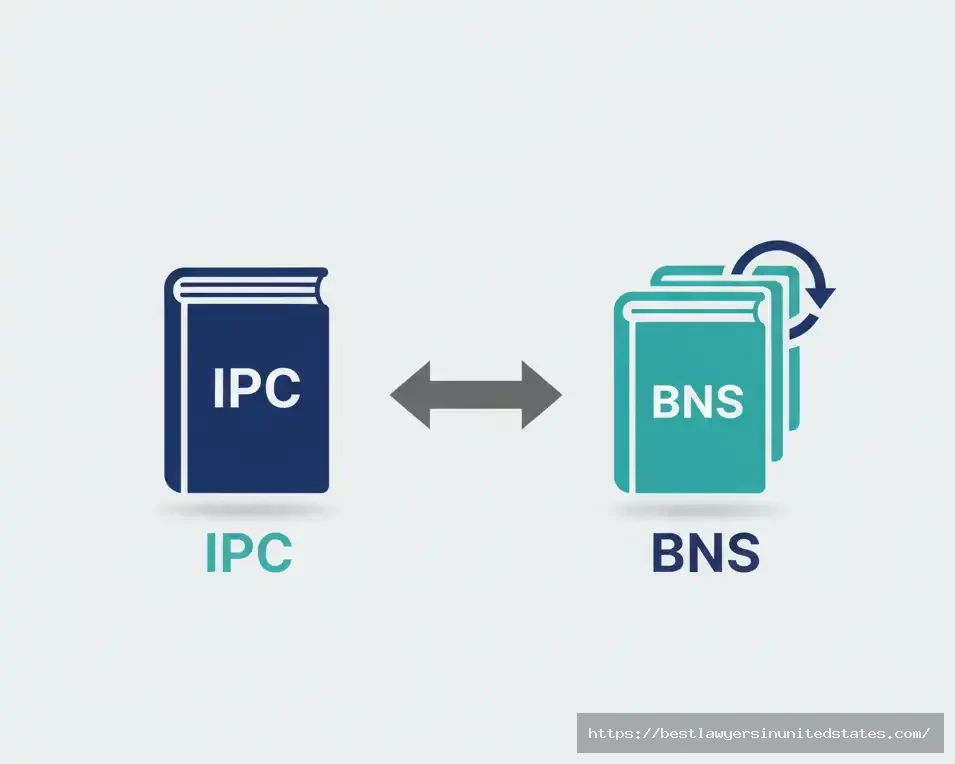
Why this matters: India’s criminal law framework has shifted from IPC labels to BNS labels. The core concept of criminal intimidation continues, but section numbering, headings, punishment ranges, and classification (bailable / cognizable / compoundable) may differ.
Always verify the current BNS text and the latest classification for your State.
What likely stays similar vs. what you must verify
- Similar (concept): Threatening a person to create fear of injury to person, reputation, or property to force an action or inaction.
- Verify each time:
- The exact BNS section number/title for criminal intimidation.
- Punishment bands, including any aggravated form analogous to earlier 506(2).
- Classification status (bailable / cognizable / compoundable) under current practice.
- State notifications that alter police powers or forum of trial.
Pending matters vs. new matters (plain-language)
- Pending cases: Courts generally proceed without restarting merely due to re-labeling, provided the substantive ingredients align. Expect continuity with updated references.
- New cases: Use the current BNS label in your complaint/FIR and quote the present text and penalty band. Keep drafting focused on ingredients and evidence, not just legacy section numbers.
How to check the latest position (2 quick steps)
- Locate the current BNS provision for criminal intimidation (official text/gazette or your legal database).
- Cross-check classification and punishment band—and if it’s an aggravated threat, ensure you cite the correct, higher band.
Common Questions
Q1. Is IPC 506 bailable or non-bailable?
A: It depends on sub-clause (506(1) vs 506(2)) and State amendments. Always verify classification under Schedule I CrPC plus local notifications.
Q2. Is IPC 506 cognizable or non-cognizable?
A: Classification can vary. In some jurisdictions, basic intimidation is treated differently from aggravated threats. Confirm with Schedule I CrPC and your State’s amendment.
Q3. Is IPC 506 compoundable under Section 320 CrPC?
A: Some forms may be compoundable (and by specified parties) depending on classification and local law. Compounding might require Court permission based on stage and gravity.
Q4. How do I file a complaint for IPC 506?
A: Preserve evidence → approach Police Station. If cognizable, seek FIR; if non-cognizable, the station may make an NCR and refer you to Magistrate for a complaint. Attach printouts/exports of electronic proof.
Q5. What is the difference between IPC 504 and 506?
A: 504 punishes intentional insult provoking breach of peace; 506 punishes the threat (criminal intimidation). They can appear together when insult escalates to coercive threats.
Q6. What is 506(2) IPC?
A: The aggravated form (e.g., threats of death, grievous hurt, arson, etc.) with higher punishment exposure. Classification often differs from 506(1).
Q7. Can anonymous threats be covered?
A: Yes—IPC 507 specifically targets anonymous intimidation. Preserve headers, envelopes, call logs, and seek forensic help.
Q8. What’s the limitation period?
A: Limitation depends on maximum punishment and may vary with sub-clause and local law. Consult counsel for the live position in your State.
English Template — “Complaint regarding Criminal Intimidation (IPC 506)”
Use these ready-to-fill complaint templates to draft a clear, evidence-backed report for criminal intimidation. The PDF includes three versions—English, Hindi, and Marathi—with simple fields for facts, exact words/gestures of the threat, medium used (call/text/in-person), reason for alarm, any coercive demand, witnesses, and attachments.
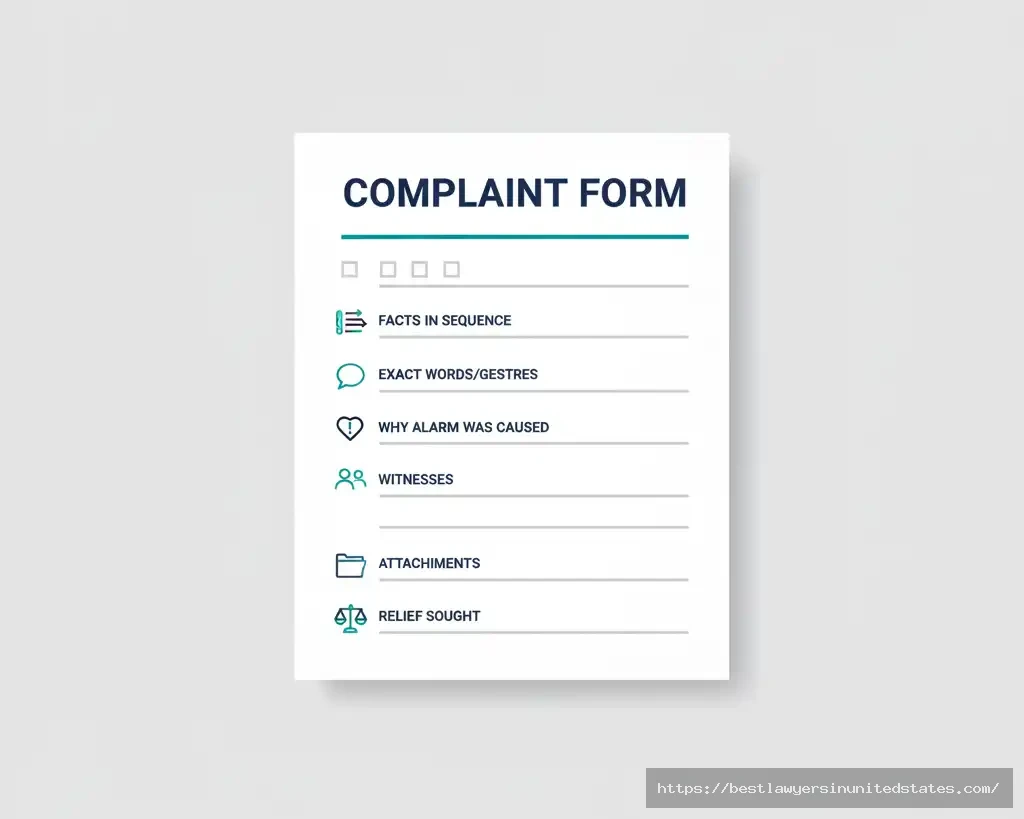
Print it, fill it neatly, and attach copies of call recordings, chat exports, emails, screenshots, and call logs (keep originals on your device). Remember: bailability/cognizability/compounding can vary by State, so check current local practice before filing.
This resource is informational and not legal advice; consult a qualified advocate for case-specific guidance.
Heading: Complaint regarding Criminal Intimidation (IPC 506)
To: Station House Officer, __________________ Police Station
Complainant: Name __________________, Address __________________, Phone __________________, Email __________________
Accused (if known): Name __________________, Address __________________, Phone __________________
Date of Complaint: ____ / ____ / ______
Subject: Complaint under IPC 506 (Criminal Intimidation)
Facts in sequence (date, time, place):
- On [date] at [time], at [place], the accused [name/unknown] communicated a threat to me.
- Context/background (if any): [brief prior dispute or events].
Exact words/gestures of threat; medium (call/text/in-person):
- Medium used: [phone call / WhatsApp / SMS / email / in-person / social media]
- Exact words/gesture (as close as possible): “[quote words or describe gesture]”.
Why alarm was caused (fear of injury to person/reputation/property):
- The threat created fear of injury to [me / my family / my property / my reputation] because [reason showing alarm].
Any demand/coercion:
- The accused demanded [money / withdrawal of case / transfer of property / other], failing which [consequence threatened].
Witnesses and attachments:
- Witnesses (if any): [names/contact].
- Attachments provided: [call recordings / screenshots / chat exports / emails / call logs / CCTV] (originals preserved; copies enclosed).
Relief sought:
- Kindly register [FIR / NCR] and take necessary action under the law.
- Please consider [protection measures / preventive action] as threats are continuing.
- I am willing to cooperate and provide any further information/evidence.
Declaration:
I declare the above facts are true to the best of my knowledge and belief.
Signature: __________________ Place: _____________ Date: ____ / ____ / ______
Hindi Template — “आपराधिक धमकी (IPC 506) के संबंध में शिकायत”
शीर्षक: आपराधिक धमकी (IPC 506) के संबंध में शिकायत
प्रति: स्टेशन हाउस ऑफिसर, __________________ थाना
शिकायतकर्ता: नाम __________________, पता __________________, फोन __________________, ईमेल __________________
आरोपी (यदि ज्ञात): नाम __________________, पता __________________, फोन __________________
शिकायत की तिथि: ____ / ____ / ______
विषय: IPC 506 (आपराधिक धमकी) के तहत शिकायत
घटनाक्रम (तिथि, समय, स्थान):
- [तिथि] को [समय] पर [स्थान] में/पर आरोपी [नाम/अज्ञात] ने मुझे धमकी दी।
- पृष्ठभूमि (यदि हो): [संक्षेप में पूर्व विवाद/घटनाएँ]।
धमकी के शब्द/हाव-भाव; माध्यम (कॉल/टेक्स्ट/सामना-सामनी):
- माध्यम: [फोन कॉल / व्हाट्सएप / एसएमएस / ईमेल / सामने / सोशल मीडिया]
- सटीक शब्द/हाव-भाव (यथासंभव): “[शब्द/हाव-भाव लिखें]”।
क्यों भय/अलार्म उत्पन्न हुआ (व्यक्ति/प्रतिष्ठा/संपत्ति को चोट का डर):
- धमकी से [मेरे/परिवार/संपत्ति/प्रतिष्ठा] को नुकसान का भय उत्पन्न हुआ क्योंकि [कारण]।
मांग/दबाव (यदि हो):
- आरोपी ने [राशि / केस वापस लेने / संपत्ति हस्तांतरण / अन्य] की मांग की, अन्यथा [धमकी का परिणाम]।
गवाह व संलग्नक:
- गवाह (यदि हों): [नाम/संपर्क]।
- संलग्नक: [कॉल रिकॉर्डिंग / स्क्रीनशॉट / चैट एक्सपोर्ट / ईमेल / कॉल लॉग / सीसीटीवी] (मूल सुरक्षित, प्रतियाँ संलग्न)।
मांग/उपचार:
- कृपया [FIR / NCR] दर्ज कर विधि अनुसार कार्यवाही करें।
- [सुरक्षा/निवारक कार्रवाई] पर विचार करें क्योंकि धमकी जारी है।
- आवश्यक जानकारी/साक्ष्य देने को तैयार हूँ।
घोषणा:
उपरोक्त तथ्य मेरे ज्ञान और विश्वास के अनुसार सत्य हैं।
हस्ताक्षर: __________________ स्थान: _____________ तिथि: ____ / ____ / ______
Marathi Template — “गुन्हेगारी धाक दाखवणे (IPC 506) बाबत तक्रार”
शीर्षक: गुन्हेगारी धाक दाखवणे (IPC 506) बाबत तक्रार
प्रति: स्टेशन हाऊस ऑफिसर, __________________ पोलीस ठाणे
तक्रारदार: नाव __________________, पत्ता __________________, फोन __________________, ईमेल __________________
आरोपी (माहित असल्यास): नाव __________________, पत्ता __________________, फोन __________________
तक्रारीची तारीख: ____ / ____ / ______
विषय: IPC 506 (गुन्हेगारी धाक दाखवणे) अंतर्गत तक्रार
घटनाक्रम (तारीख, वेळ, ठिकाण):
- [तारीख] रोजी [वेळ] वाजता [ठिकाण] येथे/वर आरोपी [नाव/अज्ञात] यांनी मला धमकी दिली.
- पार्श्वभूमी (असल्यास): [संक्षेपात मागील वाद/घटना].
धमकीचे शब्द/हावभाव; माध्यम (कॉल/मेसेज/समक्ष):
- माध्यम: [फोन कॉल / व्हॉट्सअॅप / एसएमएस / ईमेल / समक्ष / सोशल मीडिया]
- अचूक शब्द/हावभाव (जसेच्या तसे): “[शब्द/हावभाव लिहा]”.
भीती/अलार्म का निर्माण झाला (व्यक्ती/प्रतिष्ठा/मालमत्तेला इजा होण्याची भीती):
- या धमकीमुळे [मी/कुटुंब/मालमत्ता/प्रतिष्ठा] यांना इजा होण्याची भीती निर्माण झाली कारण [कारण].
मागणी/दडपण (असल्यास):
- आरोपीने [रक्कम / केस मागे घेणे / मालमत्ता हस्तांतरण / अन्य] अशी मागणी केली; अन्यथा [धमकीचे परिणाम].
साक्षीदार व संलग्नक:
- साक्षीदार (असल्यास): [नावे/संपर्क].
- संलग्नक: [कॉल रेकॉर्डिंग / स्क्रीनशॉट / चॅट एक्सपोर्ट / ईमेल / कॉल लॉग / CCTV] (मूळ सुरक्षित; प्रती जोडल्या).
मागितलेली कारवाई:
- कृपया [FIR / NCR] नोंदवून कायद्यानुसार कारवाई करावी.
- धमक्या सुरू असल्याने [संरक्षणात्मक/प्रतिबंधक उपाय] विचारात घ्यावेत.
- पुढील माहिती/पुरावे देण्यासाठी मी तयार आहे.
घोषणा:
वरील तथ्ये माझ्या माहितीनुसार व विश्वासानुसार सत्य आहेत.
स्वाक्षरी: __________________ ठिकाण: _____________ तारीख: ____ / ____ / ______
Sentencing & Judicial Interpretation (High-level)
Courts generally look for:
- Clarity and credibility of the threat communication.
- Context showing intent to cause alarm (prior enmity, extortionate demand, stalking pattern).
- Reliability of electronic evidence and witnesses.
- For 506(2), the nature of the threat (death/GBH/arson) drives higher punishment exposure.
- Sentencing discretion considers seriousness, repetition, compromise (if legally permitted), and victim impact.
Conclusion
IPC 506 protects individuals against coercive threats that create a fear of injury and distort free choice. A strong case turns on clear communication of threat, intent to cause alarm, and solid evidence—from call recordings to messages and witnesses. Because bailability, cognizability, and compounding can vary (especially between 506(1) and 506(2) and across States), always verify with Schedule I CrPC and local amendments.
If you’re a victim, preserve evidence early and take the right procedural route (FIR/NCR/complaint). If accused, seek legal advice, consider anticipatory bail, and secure exculpatory material.
Disclaimer
This guide is informational and India-focused. It does not constitute legal advice. For specific cases, consult a qualified advocate and verify current law, Schedule I CrPC, Section 320 CrPC, and State amendments.
