
Being a commercial driver comes with serious responsibilities. When you add language barriers to the mix, simple traffic citations after an accident can destroy your career. Many Spanish-speaking truck drivers don’t realize how different the rules are for CDL holders compared to regular drivers until it’s too late.
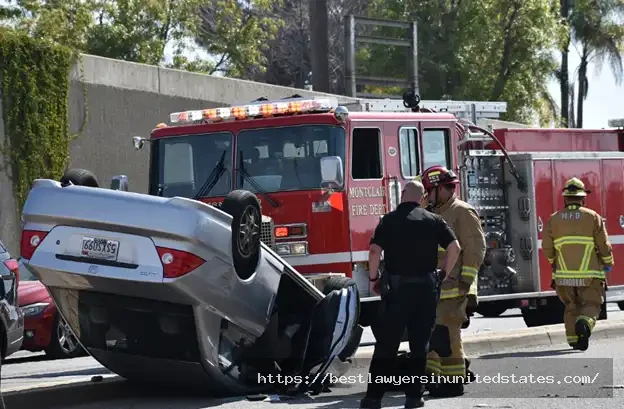
Why Commercial Driver Citations Are More Serious
If you drive a commercial vehicle, traffic citations carry much heavier penalties than they do for regular drivers. A speeding ticket that might cost a regular driver two points on their license could cost you four points and your job. Most trucking companies have strict policies about citations. Some will fire you immediately after an accident, even if you weren’t at fault.
The Missouri point system treats commercial drivers more harshly. Eight points in eighteen months will suspend your CDL. That means just a few citations can end your ability to earn a living. Your citations also get reported to a national database that follows you to every state. Future employers will see every ticket you’ve ever received.
Beyond the point system, commercial drivers face federal violations that regular drivers never worry about. Hours of service violations, logbook errors, and cargo securement issues often come up during accident investigations. When you can’t communicate well with the investigating officer, these violations are more likely to result in citations.
Traffic citations after a crash can also lead to CDL license suspension, especially when points add up quickly. If you want to understand the real financial and career impact, see this detailed guide on what happens when a license is suspended.
Common Citations Spanish Speaking Drivers Receive After Accidents
Following too closely is the most common citation officers issue after truck accidents. If you rear-end another vehicle, police often issue this citation automatically. The problem is that language barriers make it hard to explain road conditions, weather problems, or sudden stops by other drivers. You might have been driving safely, but if you can’t explain what happened, the officer writes the ticket.
Careless and imprudent driving is another common citation. This is basically a catch-all charge officers use when they think you made a mistake but aren’t sure exactly what law you broke. For CDL holders, this citation is particularly damaging. It suggests poor judgment and can make it nearly impossible to find new employment after losing your current job.

Speeding violations after accidents are tricky too. Your truck’s black box might show you were going the speed limit, but officers sometimes cite you for driving too fast for conditions. Explaining the difference between posted speed limits and safe driving speeds is hard enough in English. When you’re trying to communicate in a second language right after a stressful accident, getting your point across becomes almost impossible.
How Language Barriers Make Everything Worse
At the accident scene, officers ask questions that determine who gets cited. If you don’t understand the questions, your answers might sound like you’re admitting fault. Many Spanish-speaking drivers have a cultural tendency to be polite and apologetic, even when they didn’t cause the accident. Officers interpret these responses as admissions of guilt.
The citation itself is another problem. Many drivers don’t realize that paying a traffic ticket means you’re pleading guilty. The form might list a fine amount, but that’s just the beginning. You’ll face points on your CDL, potential job loss, and increased insurance rates. Missing court dates because you didn’t understand the paperwork can result in warrants and automatic license suspension.
Documentation challenges compound these problems. After an accident, you need to provide logbooks, inspection reports, and compliance documents. Officers ask about your pre-trip inspection, your route, and your cargo. If you can’t communicate clearly about these issues, minor paperwork errors can turn into serious violations.
After a crash, drivers are legally required to cooperate with law enforcement, but only within the limits of the law. Understanding what you are legally required to do after an accident can help prevent unintentional violations that lead to additional citations.
What to Do After Receiving Citations

Don’t panic, but do act fast. Missouri gives you only 30 days to respond to most citations. At the accident scene, tell officers “No entiendo” and “Necesito un intérprete” if you don’t understand. Request an interpreter before answering detailed questions. Take photos of everything including the vehicles, the road conditions, and all your paperwork.
Within 24 hours, contact a traffic attorney who understands CDL cases. These citations are too serious to handle alone. You need someone who can defend both the traffic citation and protect your rights if you were injured in the accident. Finding abogados de accidentes de vehiculos comerciales who speak your language makes a huge difference. They can explain the charges, represent you in court, and negotiate with prosecutors on your behalf.
Don’t just pay the ticket. Paying means giving up your right to fight the charges. Most commercial driver citations can be challenged, especially when language barriers lead to misunderstandings at the scene. An experienced attorney knows how to use dash cam footage, black box data, and witness statements to build your defense.
Report the accident to your employer, but be careful about giving recorded statements before talking to an attorney. Companies often make quick firing decisions based on initial reports. Having legal representation protects your employment rights while the case is being resolved.
Protecting Your Career
Your CDL represents your ability to support your family. One citation after an accident shouldn’t end your career, but without proper legal help, it often does. Language barriers create unfair disadvantages that good attorneys know how to overcome. Court interpreters are available, evidence can be gathered to support your version of events, and many citations can be reduced or dismissed with the right defense strategy.
The key is acting quickly and getting qualified legal help. Don’t let language barriers cost you everything you’ve worked for. Traffic citations are serious for commercial drivers, but they can be fought successfully when you have the right team on your side.

Comments