
Quick Answer: Understanding Lawyer Ranks
Most Common Law Firm Hierarchy:
- Associates (Entry-level): 0-3 years, $60K-$180K
- Senior Associates: 4-7 years, $180K-$300K
- Of Counsel: Specialized advisors, $200K-$400K
- Partners (Non-Equity): Senior lawyers, $250K-$500K
- Partners (Equity): Firm owners, $500K-$5M+
Outside Law Firms:
- Solo Practitioners, Government Attorneys, In-House Counsel, Judges
Last Updated: January 2026
Detailed breakdown and career progression below ↓
Ever wondered what people mean when they say a lawyer is “top-tier” or “junior associate”?
Those terms describe where someone fits on the lawyer scale—a way to understand rank, responsibility, and reputation inside the legal world. The idea applies to every kind of legal practice, from solo attorneys to global law firms.
Understanding this scale helps clients choose the right professional for their case, and it gives new lawyers a roadmap for career growth. Whether you’re comparing salaries, exploring law firm titles, or trying to understand what makes one attorney more senior than another, this guide breaks it all down clearly.
Whether you’re hiring a lawyer, studying law, or already in the profession, knowing how the lawyer scale works can help you make smarter decisions about careers, salaries, or legal representation. For instance, if you’re exploring what different types of attorneys do in real-world cases, you can start with this Plaintiff Attorney Guide that breaks down how client representation works from the ground up.
Also Read About: DailyNewsLaw
What Does the Term ‘Lawyer Scale’ Mean?
The term lawyer scale has two connected meanings.
First, it describes the hierarchy within the legal profession—from interns and associates to senior partners and judges. This version of the scale reflects a lawyer’s experience, influence, and level of responsibility.
Second, it refers to the symbolic “scales of justice” (⚖️)—the classic image of Lady Justice holding balanced scales, representing fairness and equality before the law. This connection isn’t accidental: just as the scales weigh arguments, the professional scale “weighs” experience, ethics, and results.
In modern usage, when someone says a lawyer is “high on the scale,” they’re usually talking about their rank or reputation within this professional hierarchy.

Levels of Lawyers and Their Roles
Law firms and legal organizations often follow a layered structure, where each level carries different duties, pay scales, and expectations. Understanding this helps both clients and aspiring attorneys see who does what — and how careers progress within the profession.
| Level | Common Titles | Years | Salary Range | Key Milestone | Path to Next Level |
|---|---|---|---|---|---|
| Entry-Level | Legal Intern, Junior Associate | 0-2 | $60K-$90K | Pass bar exam, complete training | Build case portfolio, mentor relationships |
| Mid-Level | Associate, Senior Associate | 3-7 | $100K-$180K | Handle cases independently | Develop client base, specialize in practice area |
| Senior-Level | Partner, Counsel | 8-15 | $180K-$300K+ | Lead teams, shape strategy | Bring in revenue, demonstrate leadership |
| Executive | Managing Partner, Equity Partner | 15+ | $500K-$5M+ | Firm ownership, major clients | Maintain book of business, firm governance |
These titles can vary slightly between countries and firms, but the hierarchy remains similar worldwide. In large “Big Law” firms, the journey from associate to partner can take nearly a decade, while smaller or boutique practices may have a flatter, faster-moving structure.
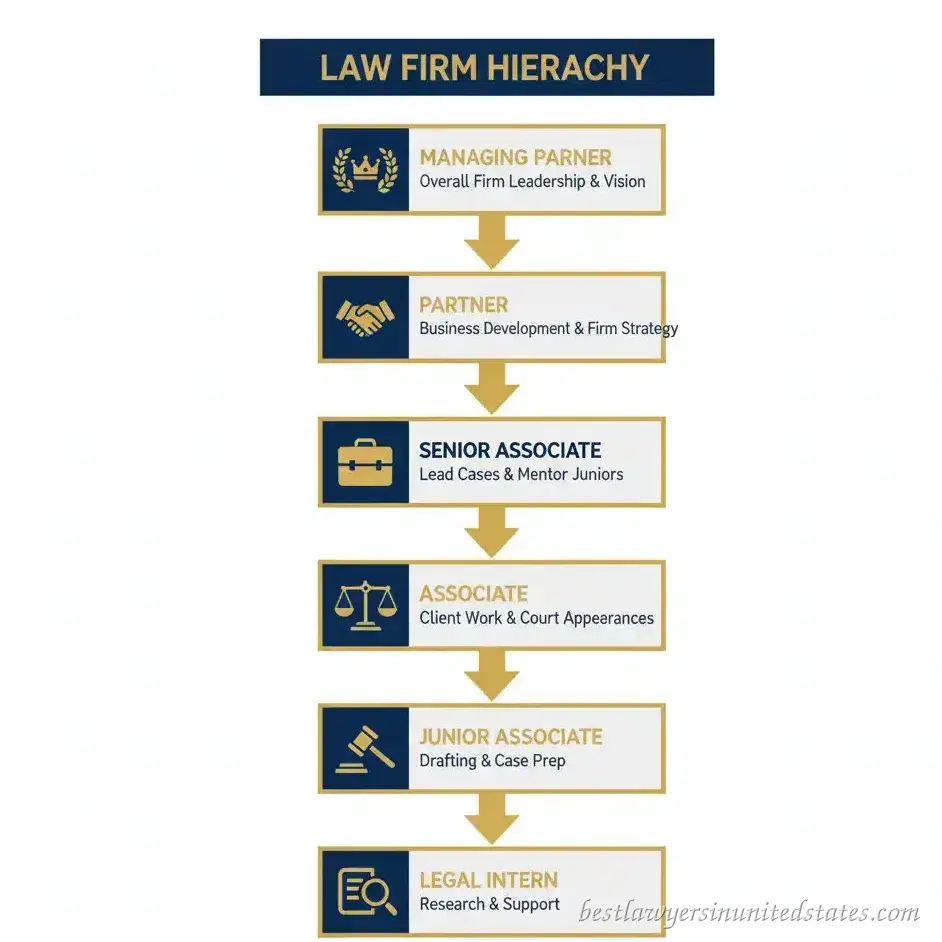
Law Firm Hierarchy Explained
Every law firm follows a hierarchy that balances experience, responsibility, and business ownership. Understanding this structure helps clients know who’s handling their case — and shows young lawyers how careers progress within firms.
1. Associate Track
Most lawyers begin as associates after law school. Associates handle case research, drafting, and client communication under a partner’s supervision.
Over time, they become senior associates, taking on more independent responsibilities and mentoring junior staff. The goal for many is to reach the partner track, which usually requires years of consistent performance, client development, and firm loyalty.
2. Partner Track
Becoming a partner is a milestone. Partners are senior lawyers who share in both profits and decision-making. There are typically two types:
- Equity Partners: Owners of the firm who receive a percentage of profits and have voting rights in major business matters.
- Non-Equity Partners: Senior lawyers recognized for their experience but compensated through salary and bonuses rather than firm ownership.
3. Of Counsel and Senior Counsel
These are experienced lawyers who may not be full partners but hold senior advisory or specialized roles.
They often have deep expertise in a specific area of law, provide mentorship, or maintain long-standing client relationships.
4. Non-Legal and Support Roles
Law firms also rely on paralegals, clerks, marketing specialists, and administrative staff. While they’re not part of the attorney hierarchy, they’re vital to a firm’s daily operations and client success.
5. Management and Leadership
At the top sits the Managing Partner or Managing Director, who oversees the firm’s overall strategy, finances, and reputation.
Larger firms may also have practice group heads, board committees, and executive directors who shape firm policy and growth.
Associate vs Partner: Key Differences Explained
Confused about the difference between an associate and a partner? Here’s the breakdown:

Associate Attorneys:
- Salaried employees of the law firm
- Work under supervision of partners
- No ownership stake in the firm
- Focus on billable hours and casework
- Typical timeline: 7-10 years before partnership consideration
- Average salary: $100K-$250K depending on firm size and location
Partners:
- Part-owners of the law firm (equity partners) or senior profit-sharers (non-equity)
- Final decision-making authority on cases and firm direction
- Responsible for bringing in clients and revenue
- Mentor and supervise associates
- Average earnings: $500K-$2M+ at major firms
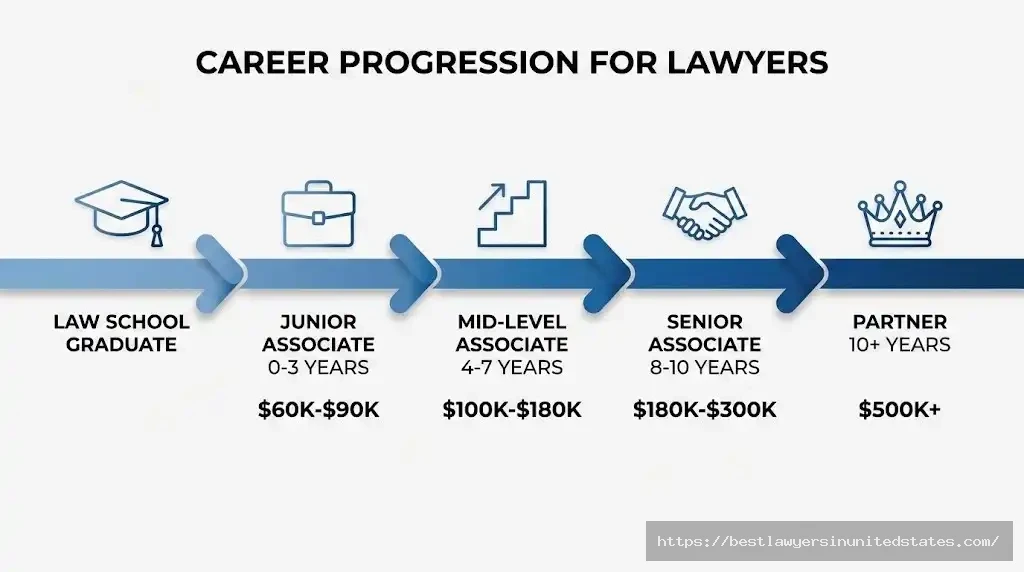
The Path from Associate to Partner:
- Years 1-3: Prove competence, build skills, log billable hours
- Years 4-7: Develop specialization, start client relationships, mentor juniors
- Years 8-10: Demonstrate rainmaking ability, show leadership, partnership consideration
According to the National Association for Law Placement (NALP), only about 20-30% of associates at large firms make partner, and the process typically takes 8-10 years.
Factors That Influence a Lawyer’s Rank
Experience and Expertise
Time spent in the legal field matters, but so does the quality of that experience. A lawyer who’s handled high-profile cases or has niche specialization can move up faster.
Type of Law Practiced
Corporate law, criminal defense, family law—each area has its own weight. For instance, corporate lawyers in big firms often rise faster and earn more.
Jurisdiction and Legal System
In some countries, the lawyer scale is rigidly defined (like the UK’s barrister-solicitor distinction), while others (like the US) offer more fluid paths.
Measuring Lawyer Competency and Performance
Legal Skills and Knowledge
Being book-smart isn’t enough. Lawyers must demonstrate analytical thinking, persuasive argumentation, and practical legal tactics.
Client Handling and Case Success Rate
Clients remember results. A lawyer’s success in court, settlements, and negotiations plays a huge role in their scale ranking.
Peer and Bar Association Recognition
Awards, peer endorsements, and leadership in legal communities all boost a lawyer’s profile.
Salaries, Ranks, and Prestige in the Legal Profession
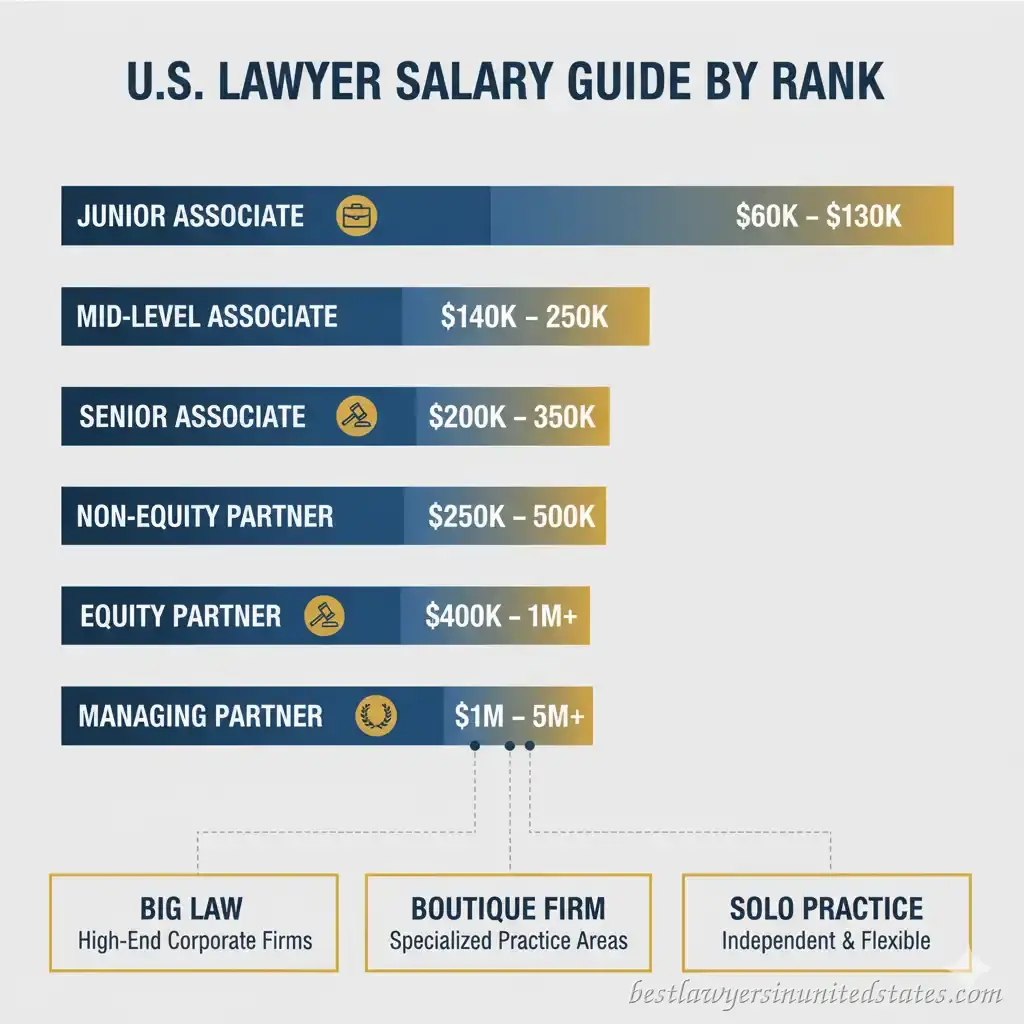
A lawyer’s position in the hierarchy doesn’t just define authority — it also shapes earning potential. Salaries in law vary widely based on experience, firm size, and area of specialization.
Attorney vs Lawyer Salary: Does Title Matter?
The terms “attorney” and “lawyer” are often used interchangeably in the U.S., and there’s no salary difference based on title alone. What matters is:
- Position level (associate vs partner)
- Practice area (corporate law pays more than family law)
- Firm size (Big Law vs solo practice)
- Location (NYC/SF pay 40-60% more than rural markets)
2026 Salary Benchmarks by Position:
Big Law (Major US Cities):
- First-year associate: $215,000 (Cravath scale)
- Fifth-year associate: $340,000+
- Equity partner: $1M-$5M+
Mid-Size Firms:
- First-year associate: $100,000-$150,000
- Fifth-year associate: $150,000-$220,000
- Partner: $300,000-$800,000
Small Firms/Solo Practice:
- Junior attorney: $60,000-$90,000
- Experienced attorney: $80,000-$150,000
- Successful solo practitioner: $150,000-$400,000+
Government/Public Sector:
- Entry-level attorney: $60,000-$75,000
- Senior attorney: $100,000-$150,000
- Judge (federal): $223,400-$308,000 (2026)
Source: NALP 2025-2026 Associate Salary Survey, U.S. Bureau of Labor Statistics
Pay also depends on the area of practice. For example, corporate and patent lawyers often earn far more than family or criminal attorneys. To see how these costs play out in a real context, read our Cost of Divorce Lawyer – Complete Guide to Legal Fees for a transparent look at how attorney fees are structured across different legal services.
1. Salary Brackets by Rank
Here’s a general overview of how earnings grow with seniority:
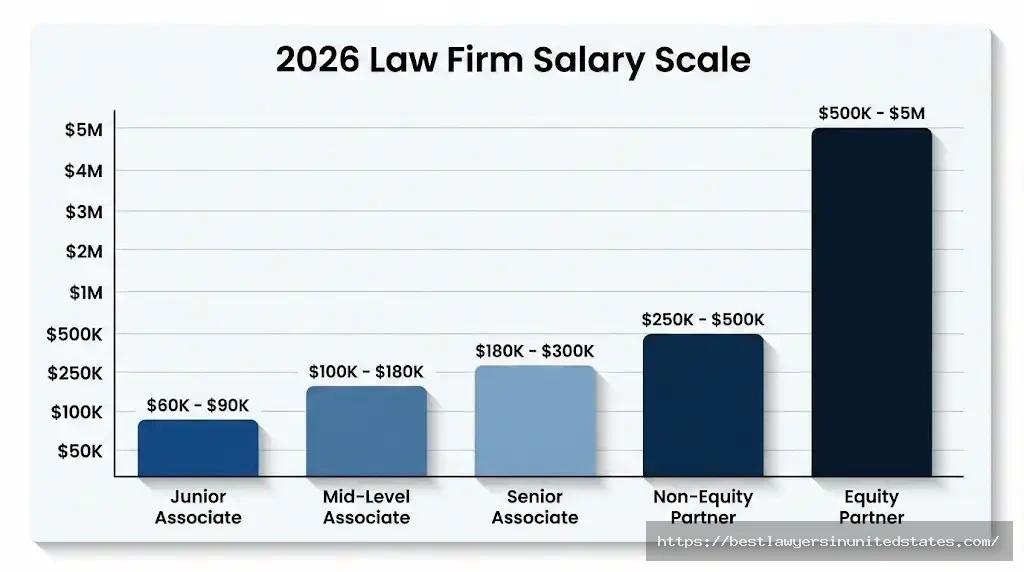
| Rank | Typical Salary Range (USD) | Notes |
|---|---|---|
| Junior Associate / Legal Intern | $60,000 – $90,000 | Entry-level positions, often with bonuses and mentorship programs. |
| Mid-Level Associate | $100,000 – $180,000 | Handles clients directly, manages small cases or deal segments. |
| Senior Associate / Counsel | $180,000 – $300,000+ | Plays a leadership role on major cases or transactions. |
| Partner (Non-Equity) | $250,000 – $500,000 | Senior lawyer with influence but no ownership stake. |
| Partner (Equity) / Managing Partner | $500,000 – $5,000,000+ | Top-tier earners who share in firm profits or run high-value practices. |
Note: Salaries depend heavily on region and firm type. In “Big Law” firms across major U.S. cities, first-year associates can exceed $200,000 in total compensation.
2. Big Law vs Boutique Firms
- Big Law Firms: Large, multinational firms that handle corporate mergers, high-profile cases, and global clients. These offer the highest salaries but demand intense hours and competition.
- Boutique or Specialized Firms: Smaller, niche-focused practices (like family law, IP, or criminal defense). Pay can vary, but partners often enjoy greater autonomy and better work-life balance.
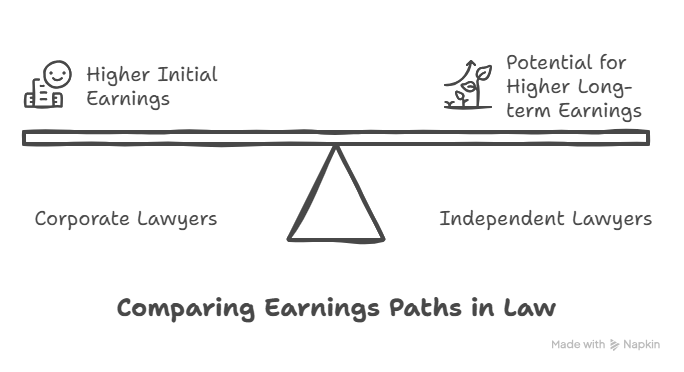
- Solo Practitioners: Independent lawyers can sometimes out-earn firm partners if they build a strong brand and loyal clientele.
3. Prestige Beyond Pay
Not all prestige comes from money. Lawyers who serve as judges, prosecutors, or legal scholars may earn less than private-sector attorneys but hold positions of public trust and professional honor. For many, the influence and social value attached to these roles outweigh higher salaries elsewhere.
The Scales of Justice and What They Represent
When people hear the phrase “lawyer scale,” they might picture the ⚖️ Scales of Justice — a universal symbol found in courtrooms, law firm logos, and even law school emblems. These scales represent the balance between fairness, truth, and impartiality — core values that the legal profession is built on.
The ⚖️ Scales of Justice remain one of the most recognizable symbols in law, representing fairness, balance, and integrity. If you’re curious about how this imagery evolved — from ancient mythology to modern courtrooms — see our detailed explainer on the Lawyer Symbol Meaning and History for deeper context.

1. The Symbolism of Lady Justice
Lady Justice, often seen holding a pair of scales, dates back to ancient Roman and Greek mythology.
- The scales represent weighing the facts and evidence impartially.
- The blindfold symbolizes objectivity — justice without bias.
- The sword stands for the law’s authority and power to enforce judgment.
This icon reminds lawyers that their duty isn’t just to win cases, but to uphold justice ethically and evenly.
2. Why It Connects to the Modern Lawyer Scale
In today’s context, the “lawyer scale” reflects a similar idea — balancing experience, ethics, and effectiveness.
Just as the scales of justice demand fairness, the professional hierarchy demands accountability. A lawyer’s reputation, skill, and integrity are constantly “weighed” by peers, clients, and the system itself.
3. Symbolism in Practice
Many firms use this imagery intentionally. The scales in their logos or office art aren’t just decoration — they represent the promise of balance, integrity, and due process. Even as the profession evolves with technology and new fields of law, the scales of justice remain a timeless symbol of what law stands for.
Global Comparison of Lawyer Hierarchies
While the legal profession shares many traditions across the world, each country has its own titles, structure, and path to seniority. Understanding these differences helps law students, international clients, and practicing attorneys navigate cross-border work more confidently.
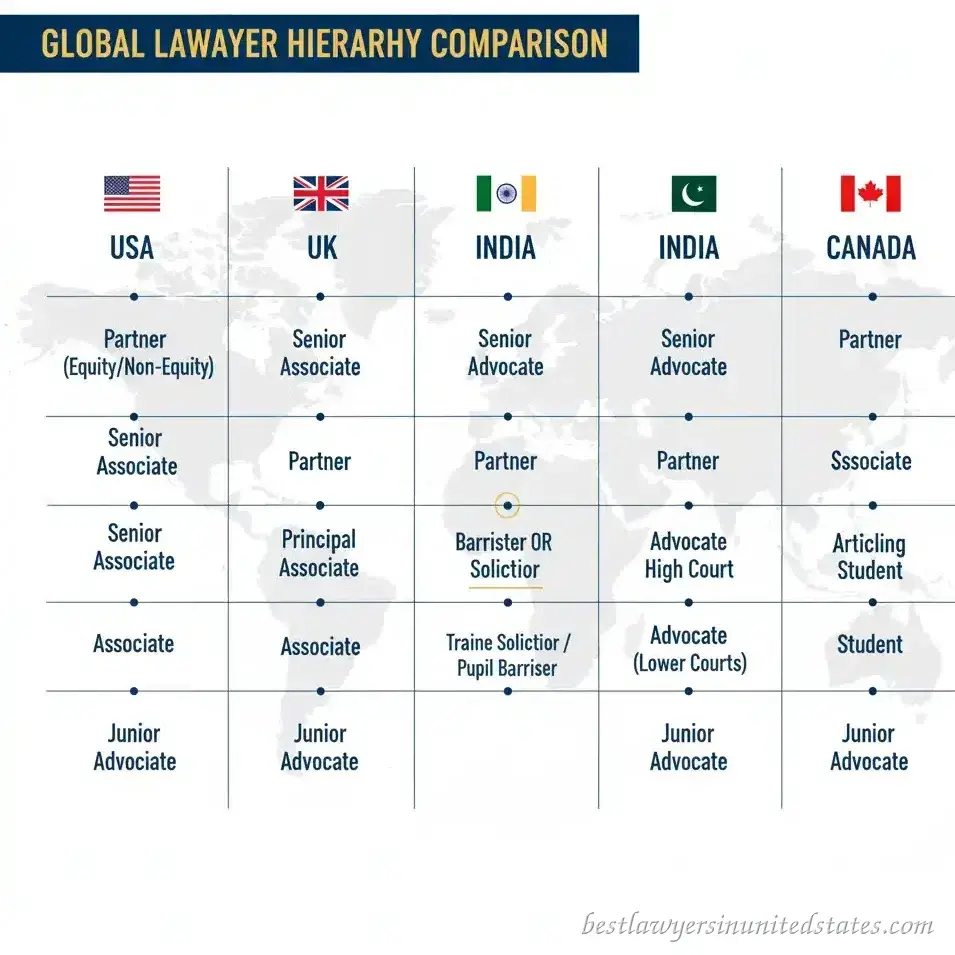
1. United States
In the U.S., law firms typically follow the associate-to-partner structure.
- Associate → Senior Associate → Partner → Managing Partner
- Some firms also include titles like “Counsel” or “Of Counsel” for experienced lawyers who aren’t partners.
Judges and government attorneys follow separate federal and state hierarchies, with positions such as District Attorney, Attorney General, and Supreme Court Justice.
United States: State-by-State Variations
While the associate-to-partner track is standard, some states have unique requirements:
California: No limit on non-lawyer ownership in some legal service businesses (since 2020 regulatory changes)
New York: Strict character and fitness requirements; typically requires 1-2 years longer to make partner at NYC firms due to competition
Texas: Growing “two-tier partnership” model where income partners don’t have voting rights
Florida: Increasing number of “virtual law firms” with flatter hierarchies
These variations affect career timelines and earning potential for lawyers practicing in different states.
2. United Kingdom
The U.K. divides its legal profession into Solicitors and Barristers.
- Solicitors handle client communication, contracts, and advisory work.
- Barristers specialize in courtroom advocacy and are often instructed by solicitors.
Senior titles include Queen’s Counsel (KC) and Senior Partner, reflecting experience and distinction within the field.
3. Pakistan
Pakistan’s structure mirrors the British system but includes bar council recognition at each level.
- Advocate → Senior Advocate → Advocate Supreme Court → Judge
Progress depends on years of practice and professional standing within provincial or national bar associations.
4. India
India also follows a multi-tiered model:
- Advocate → Senior Advocate → Designated Advocate (Supreme Court)
Promotions are granted by bar councils based on merit, reputation, and contribution to the legal system.
The Attorney General of India serves as the highest legal advisor to the government.
5. Other Common Law Countries
- Australia & New Zealand: Maintain solicitor–barrister distinctions with ranks like Senior Counsel (SC).
- Canada: Uses the term lawyer universally, with firms adopting similar titles to the U.S. model.
- Philippines & Singapore: Combine elements of both U.S. and U.K. systems, with law firm hierarchies that mirror Western structures but adapt to local regulations.
6. International Law and Global Recognition
Lawyers who practice in international organizations — such as the United Nations, International Criminal Court, or World Bank — often hold senior advisory roles recognized globally. These positions require advanced degrees, multilingual skills, and strong cross-jurisdictional experience.
Bar Association Ratings and Legal Accreditations
Recognition in the legal world isn’t just about courtroom victories. A lawyer’s standing is often measured through bar association ratings, legal directories, and professional awards that signal credibility to clients and peers.
These evaluations often rely on ethical conduct, experience, and peer reputation. In the United States, the American Bar Association (ABA) sets many of the professional standards that guide these assessments, providing transparency and trust for both lawyers and clients.
1. How Bar Associations Evaluate Lawyers
Most national and state bar associations assess lawyers on:
- Experience: Years in practice and the types of cases handled.
- Ethics and Conduct: Clean disciplinary record and adherence to professional standards.
- Peer Recognition: Endorsements from other attorneys and judges.
- Community Contribution: Teaching, writing, or mentoring in the legal field.
Some bar associations even maintain tiered rating systems or publish annual “Top Lawyers” or “Rising Stars” lists that help clients make informed hiring decisions.
2. Prominent Legal Rankings and Awards
Independent organizations and legal publishers also play a big role in shaping reputation.
Some of the most recognized names include:
- The Legal 500 – Global firm rankings by region and practice area.
- Chambers and Partners – Detailed analysis of individual lawyers and law firms.
- Super Lawyers – Peer-nominated attorneys recognized for excellence.
- Martindale-Hubbell – Longstanding directory rating lawyers on ethics and ability.
Appearing in these directories or earning high scores from bar associations often translates to greater visibility, client trust, and better professional opportunities.
3. Why These Accreditations Matter
For clients, these ratings act as a quick measure of reliability and professionalism.
For lawyers, they’re proof of career progression and reputation — often influencing promotions, partnerships, and even media coverage. In an increasingly digital profession, these accreditations also improve online presence, making a lawyer more discoverable in search results.
Lawyer Scale and Client Decision-Making
When clients choose a lawyer, they rarely look only at qualifications. They look for trust, reputation, and proven success—and that’s exactly what the lawyer scale reflects.
1. Why Clients Prefer Higher-Ranked Lawyers
Clients often see a lawyer’s position in the hierarchy as a measure of skill and reliability.
- Top-tier or partner-level attorneys are perceived as more capable of handling complex, high-stakes cases.
- Mid-level associates are often chosen for routine legal work or moderate disputes, balancing quality with affordability.
- Specialists or senior counsels are sought after for niche matters such as intellectual property, mergers, or criminal defense.
While a higher rank doesn’t always guarantee a better outcome, it does indicate experience, client exposure, and professional validation.
2. How Scale Reflects Service Quality
A lawyer’s rank often correlates with the quality of their support system.
Senior lawyers typically have access to:
- Dedicated research and paralegal teams
- Advanced case management tools
- Stronger negotiation and litigation networks
These resources make processes smoother and outcomes more predictable for clients. Still, a lower-ranked or independent lawyer can provide equally strong results when they combine expertise with personal attention.
3. Matching the Right Lawyer to the Right Case
Not every legal issue requires the highest-ranked attorney. For smaller civil matters, contracts, or family disputes, an experienced mid-level lawyer may offer better value and personal focus. For complex corporate or high-stakes criminal cases, however, clients often turn to senior partners or specialists who’ve proven themselves in similar battles.
Limitations of the Lawyer Scale
The lawyer scale offers a general idea of professional standing, but it’s far from perfect. Like any ranking system, it has blind spots and biases that don’t always reflect true ability or value.
1. Subjectivity in Rankings
Not all lawyers rise in rank at the same pace — and not all rankings are based on merit.
Connections, firm politics, and visibility can influence reputation just as much as skill or results. Some highly capable lawyers stay under the radar simply because they work in smaller markets or choose low-profile cases.
2. Reputation Isn’t Always Performance
A recognizable name or a high position doesn’t guarantee better representation. Many top-ranked lawyers have busy caseloads and limited personal availability. Meanwhile, a lesser-known attorney might deliver more attention and better outcomes at a fraction of the cost.
Clients who rely solely on titles or firm prestige risk overlooking lawyers who are equally or more effective in their practice areas.
3. Overemphasis on Status Over Service
Law as a profession can sometimes reward visibility over substance. Social media presence, media quotes, and awards can all elevate a lawyer’s profile — but they don’t always measure the quality of their legal reasoning or dedication to clients.
How to Determine a Lawyer’s Seniority Level
When evaluating a lawyer’s experience level (for hiring or comparison), look at these factors:
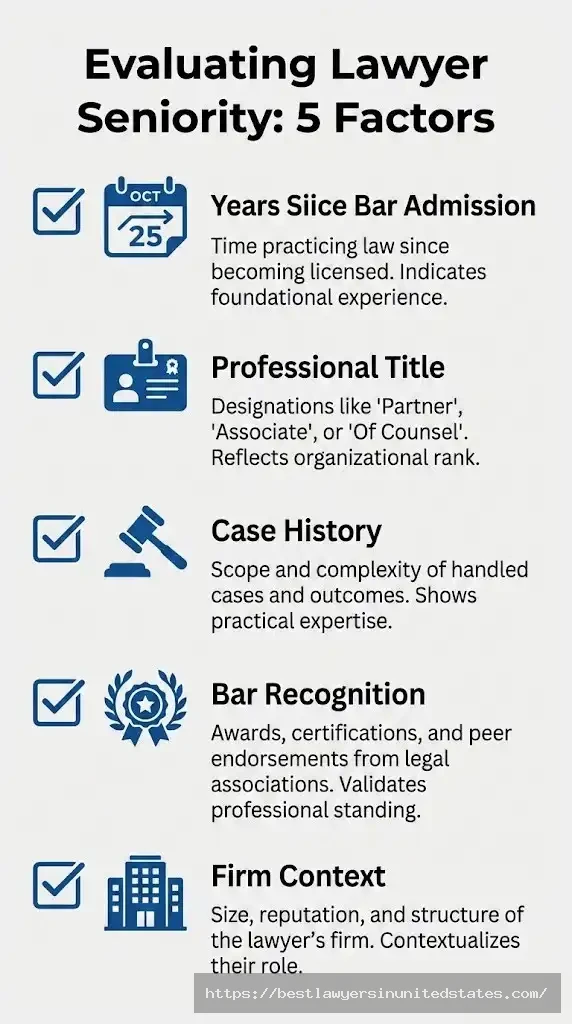
1. Years Since Bar Admission
- 0-3 years: Junior/entry-level
- 4-7 years: Mid-level
- 8-15 years: Senior
- 15+ years: Expert/veteran
You can verify bar admission dates through your state bar association’s public directory.
2. Professional Titles
- “Associate” typically indicates non-partner status
- “Senior Associate” usually means 5+ years experience
- “Of Counsel” signals specialized expertise or semi-retired status
- “Partner” confirms senior leadership role
3. Case History and Complexity
Check:
- Types of cases handled (simple vs complex)
- Case outcomes and success rate
- Client testimonials and peer reviews
- Published legal opinions or appellate work
4. Bar Association Recognition
Look for:
- Board certifications in specialty areas
- “Super Lawyers” or similar ratings
- Leadership positions in bar associations
- Published articles or speaking engagements
5. Firm Context
A senior associate at a prestigious Big Law firm may have more sophisticated experience than a partner at a small local practice.
Pro Tip: When hiring, don’t just ask “How many years of experience?” Ask: “How many cases like mine have you handled, and what were the outcomes?”
How to Move Up the Lawyer Scale
Advancing in the legal profession isn’t about waiting your turn — it’s about consistent skill-building, specialization, and visibility. The lawyer scale rewards not just experience, but the ability to stand out through results and reputation.

1. Build Specialized Expertise
Law is broad, and generalists often struggle to rise quickly. Lawyers who master a specific practice area—like corporate mergers, family law, or intellectual property—gain recognition faster.
Continuing education, certifications, and publishing insights in your niche can help establish authority and attract higher-profile clients.
2. Develop Strong Communication and Strategy Skills
Legal success depends on more than knowledge of statutes.
The best lawyers combine analytical thinking, persuasion, and practical strategy. Judges and clients value attorneys who can simplify complex issues, present arguments clearly, and maintain professionalism under pressure.
3. Grow Your Network and Personal Brand
Connections can open doors that talent alone sometimes can’t.
Attend legal conferences, engage in bar associations, and maintain a professional online presence. A thoughtful article on LinkedIn or recognition in a legal publication can significantly boost visibility.
Remember — the lawyer scale measures reputation as much as ability.
Your professional image also influences how peers and clients perceive you. Appearance and presentation play a surprisingly big role in confidence and credibility — especially in client-facing roles. For practical advice, see our Lawyer Attire Guide for a Powerful First Impression to ensure your personal brand aligns with your professional goals.
4. Demonstrate Ethical Integrity
Clients and peers notice how lawyers handle pressure and responsibility. Upholding ethics, maintaining transparency, and treating clients fairly strengthen long-term credibility — often more than a single win ever could.
Common Mistakes When Evaluating Lawyer Rankings
Mistake #1: Assuming “Partner” Always Means Owner
Many firms have non-equity partners who are salaried employees, not owners. Always ask: “Are you an equity partner?” if ownership matters to you.
Mistake #2: Ignoring Practice Area Differences
A third-year associate in corporate M&A at a Big Law firm has vastly different experience than a third-year family law associate at a small firm. Years of experience alone don’t tell the full story.
Mistake #3: Overlooking Solo Practitioners
Some highly skilled lawyers choose independence over firm life. A successful solo practitioner may have more relevant experience than a senior associate at a large firm.
Mistake #4: Relying Only on Titles
Titles vary between firms. A “senior counsel” at one firm might be equivalent to a “junior partner” elsewhere. Look at the lawyer’s actual responsibilities and track record.
Mistake #5: Judging Success Only by Salary
The highest-paid lawyers aren’t always the best fit for your case. Sometimes a mid-level associate with specific experience in your issue will serve you better than an expensive partner who delegates everything.
Conclusion
The lawyer scale is more than a career ladder — it’s a reflection of experience, credibility, and trust. Whether you’re a client trying to choose the right attorney or a lawyer mapping your next step, understanding this hierarchy helps you make informed, confident decisions.
Still, it’s worth remembering that rank isn’t everything. The best lawyers aren’t just high on the scale; they’re defined by integrity, preparation, and how well they serve the people who rely on them. Skill, dedication, and genuine care remain the truest measures of success in any legal career.
FAQs
What is the highest position a lawyer can achieve?
In most legal systems, the top roles include judge, chief justice, or equity partner in a major law firm. Some lawyers also move into government or international law as attorneys general or legal advisors to global institutions.
Do all countries follow the same lawyer hierarchy?
No. While the idea of progression is universal, the titles and ranks differ by country. For example, the U.K. separates solicitors and barristers, while the U.S. follows an associate-to-partner model.
How much can a top-tier lawyer earn annually?
In major firms, experienced partners and senior lawyers can earn anywhere from $500,000 to several million dollars a year, depending on their clients, firm size, and specialization.
Is experience the only factor in lawyer rankings?
Not at all. Specialization, results, ethics, and client reputation all influence where a lawyer stands in the professional hierarchy.
Can independent lawyers compete with big-firm partners?
Yes. Skilled solo practitioners with a strong client base and niche expertise often match or even surpass the performance and income of large-firm attorneys.
What is the difference between an associate and a lawyer?
All associates are lawyers, but not all lawyers are associates. “Associate” is a job title for lawyers who work as employees at a law firm without ownership stakes. “Lawyer” is the broader professional title for anyone licensed to practice law, including associates, partners, solo practitioners, and in-house counsel.
What does “of counsel” mean in a law firm?
“Of counsel” is a senior attorney role for lawyers who have deep expertise in a specific area but aren’t partners. They may be semi-retired partners, specialists brought in for particular cases, or attorneys transitioning between firms. They typically earn $200,000-$500,000 depending on the firm and their role.
What is a junior associate lawyer?
A junior associate is typically a lawyer with 0-3 years of experience after passing the bar exam. They handle research, document drafting, and assist senior attorneys on cases while developing their legal skills. First-year junior associates at Big Law firms start around $215,000, while small firm juniors may earn $60,000-$90,000.
What is PQE in law?
PQE stands for “Post-Qualification Experience”—the number of years a lawyer has practiced since being admitted to the bar. UK and Commonwealth countries use this term commonly. For example, “5 PQE” means five years of experience as a qualified lawyer. US firms more commonly use “year” designations (e.g., “fifth-year associate”).
Is counsel higher than associate?
Generally yes. “Counsel” is typically a senior position for experienced lawyers with specialized expertise. Associates are earlier in their careers and work toward partnership. However, some firms use “counsel” for lawyers who are senior but off the partnership track, making the hierarchy somewhat flexible depending on the firm.
What is the highest position a lawyer can hold?
In private practice, equity partner or managing partner is the highest position. Outside law firms: Chief Justice of the Supreme Court (judicial), Attorney General (government), General Counsel/CLO (corporate). Each represents the peak of different career paths.

Comments