
The lawyer symbol meaning reflects justice and integrity through timeless icons like the Scales of Justice, gavel, and § legal symbol. These legal symbols represent balance, order, and moral authority in law, while the advocate symbol meaning often signifies fairness and the ethical duty to uphold justice.
Introduction to the Lawyer Symbol
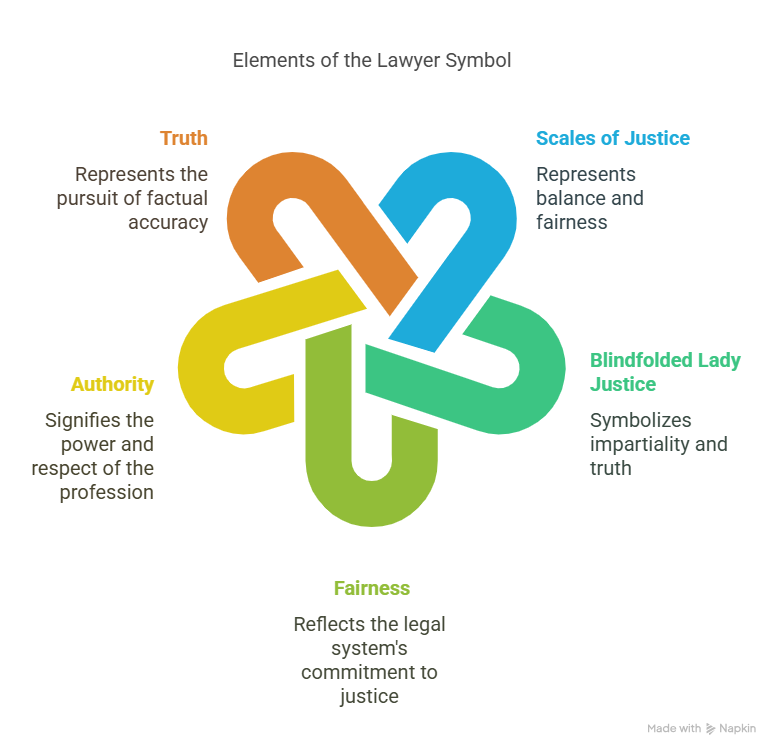
The lawyer symbol is a powerful visual representation of the values and principles that define the legal profession. From the scales of justice to the blindfolded Lady Justice, these symbols communicate fairness, authority, and truth in a way that words alone cannot.
Why Symbols Matter in Law
Symbols hold emotional and cultural power. In the legal world, they serve as constant reminders of justice, integrity, and equality. These symbols also help the public instantly recognize legal institutions and professionals.
The Language of Justice — How Symbols Speak Without Words
Legal symbols form a universal visual language that transcends cultures. The § legal symbol, the scales of justice (⚖️), and the gavel all express fairness, authority, and integrity. These icons allow societies to instantly recognize law and justice without words.
For lawyers and advocates, such imagery is more than aesthetic — it represents ethical responsibility and the unchanging pursuit of balance in every decision.
The Power of Visual Representation in Legal Systems
A single image, like the scales of justice, can communicate complex legal principles clearly and effectively. That’s why legal symbols remain essential in courtrooms, legal branding, and public trust in the law.
| Symbol | Meaning | Origin | Common Use |
|---|---|---|---|
| ⚖️ Scales of Justice | Balance and fairness | Ancient Egypt & Greece | Court logos, legal branding |
| 🗡️ Sword | Enforcement and authority | Roman Law | Lady Justice imagery |
| 👁️ Blindfold | Impartiality | Roman mythology | Lady Justice statue |
| 📚 Book | Knowledge and truth | Classical era | Law firms, education |
| 🔥 Torch | Enlightenment | Modern legal symbolism | Legal institutions |
The Origin of the Lawyer Symbol
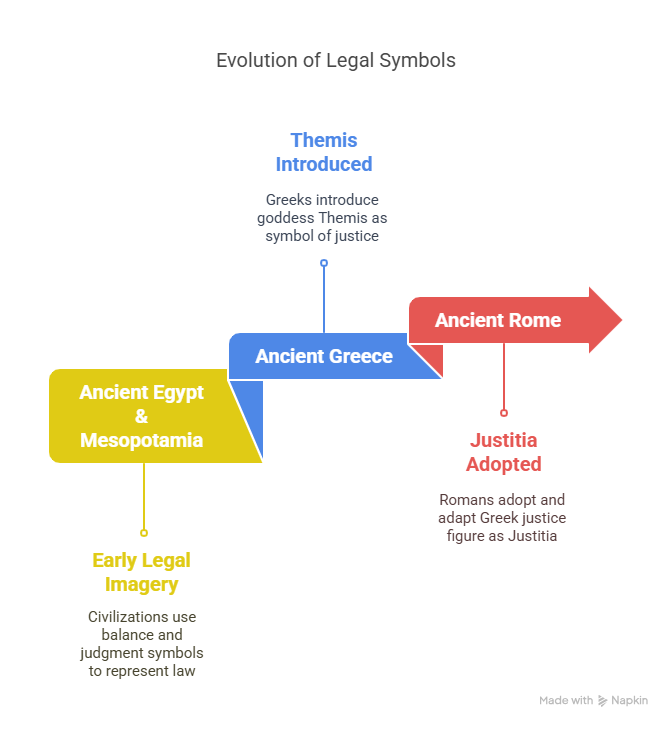
The history of lawyer symbols dates back to ancient civilizations that used imagery to represent law and order. Over time, these symbols evolved and were adapted by modern legal systems across the globe.
Ancient Roots of Legal Symbols
Early legal symbols appeared in ancient Egypt and Mesopotamia, where they reflected divine authority. These civilizations used images of balance and judgment to communicate legal power.
Greek and Roman Influence on Legal Imagery
Greek and Roman cultures introduced gods and goddesses of justice, such as Themis and Justitia. These figures laid the foundation for many legal symbols we use today, especially the widely known Lady Justice.
Today, lawyer branding has evolved beyond the courtroom. Articles like Lawyer Aesthetic Tips to Enhance Your Professional Image show how visual elements continue to define credibility and trust.
Timeline of Legal Symbols Evolution
- 2000 BC: Balance scales appear in Egyptian hieroglyphs.
- 500 BC: Themis and Justitia emerge in Greek and Roman law.
- Middle Ages: Gavels and court pillars adopted in European courts.
- 1800s: Lady Justice statues spread worldwide.
- Today: Digital icons like ⚖️ represent justice online.
The Scales of Justice
The scales of justice are among the most iconic legal symbols. They represent balance and fairness, suggesting that every case should be judged on its merits without prejudice.
Similar to the Lawyer Scale Secrets Every Client and New Attorney Should Know, the Scales of Justice remind both clients and lawyers about maintaining fairness and equality before the law.
What the Scales Represent
These scales symbolize the weighing of evidence and the impartial evaluation of facts. They reflect the core principle of justice: every side deserves equal consideration.
Equality Before the Law
The scales reinforce the idea that all individuals are equal in the eyes of the law. Regardless of status or wealth, every person should receive a fair hearing.
Balance Between Guilt and Innocence
Justice requires careful examination of both guilt and innocence. The balanced scales remind us not to assume or rush to judgment but to evaluate each side thoroughly.
Why the Scales Are Still Relevant Today
In an age of digital information and fast decisions, the message of balance is more important than ever. The scales urge legal professionals to uphold fairness in every case.
The Blindfolded Lady Justice
Lady Justice is the personification of fairness and impartiality. Her image continues to serve as a universal reminder of what the legal system strives to achieve.
Origin of Lady Justice
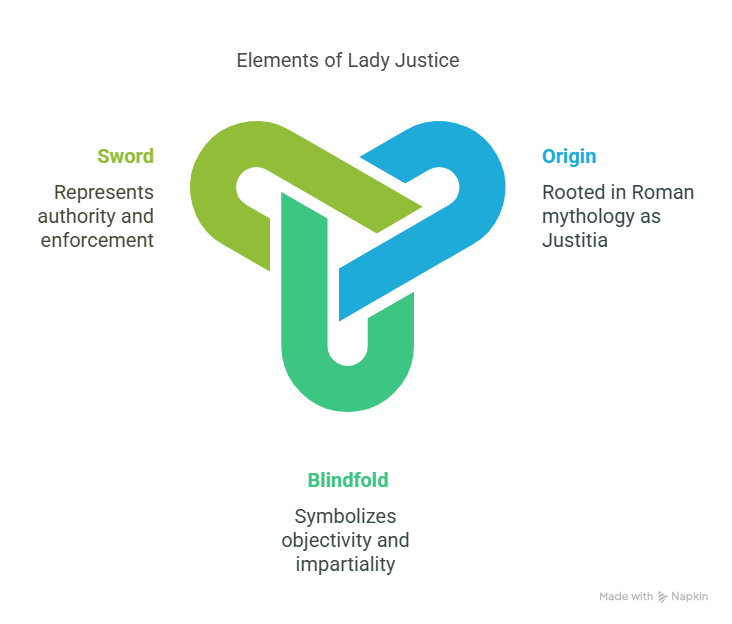
Lady Justice originates from Roman mythology, where she was known as Justitia. She embodies moral force and the ideal that justice must be applied without corruption or favoritism.
Why She Wears a Blindfold
The blindfold symbolizes objectivity. It shows that justice should be blind to personal influence, ensuring all are treated equally under the law.
The Sword and What It Stands For
The sword in Lady Justice’s hand represents authority and enforcement. It reflects the power of law to impose penalties and uphold justice swiftly and decisively.
The Gavel
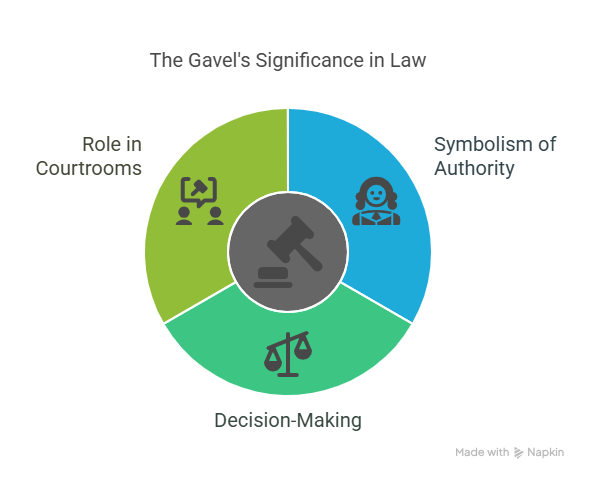
The gavel is a symbol of legal authority and final judgment. It’s used by judges to bring order to court proceedings and signal decisions that carry legal weight.
A gavel often represents courtroom discipline and control, just as the Lawyer Attire Guide for a Powerful First Impression shows how presentation reinforces authority in the legal field.
Symbolism of Authority and Decision
When a judge strikes the gavel, it signifies the beginning or end of legal proceedings. It represents the law’s final word and its ability to make binding decisions.
Role of the Gavel in Modern Courtrooms
While modern courtrooms use various technologies, the gavel remains a powerful visual and auditory cue. It commands attention and symbolizes courtroom discipline and respect.
Columns and Courthouse Symbols
Courthouses often feature classical architectural elements like columns and domes, reflecting the tradition and permanence of the law.
While columns and domes signify strength, other law symbols and meanings such as laurel wreaths and arches add depth. The wreath symbolizes victory and honor in law, reflecting the triumph of justice.
These traditional forms remind us that every courthouse and advocate’s office carries centuries of meaning through its legal symbols and architecture.
Ancient Architecture and Law
The use of columns in legal buildings originates from Greek and Roman temples. These structures were designed to convey stability and order—qualities essential to law.
Why Pillars Represent Strength and Order
Pillars symbolize the strength of legal institutions. Just as they physically support buildings, they metaphorically support the legal system’s role in maintaining justice.
These classical motifs symbolize wisdom and learning — much like the dedication reflected in a Forensic Lawyer who relies on knowledge and structure to uncover truth in complex cases.
The Book and Torch in Legal Logos
Books and torches are commonly found in legal logos, representing knowledge and enlightenment—two critical pillars of the legal profession.
Knowledge and Truth
The book symbolizes legal knowledge, precedent, and research. The torch represents truth, lighting the way to justice and guiding society through the darkness of ignorance.
How These Symbols Educate the Public
By using books and torches in legal imagery, law firms and institutions remind the public that law is based on study, evidence, and the pursuit of truth.
Lawyer Symbols Around the World
Legal symbols vary across cultures but all aim to express principles like fairness, justice, and integrity. Each country reflects its own traditions in these symbols.
US vs. UK Legal Symbols
In the U.S., Lady Justice is a dominant symbol, while in the UK, legal wigs, robes, and royal crests are more prominent. Both reflect the authority of their respective legal systems.
Cultural Variations in Legal Iconography
In other parts of the world, different symbols reflect legal ideals. For example, in Japan, calligraphy may express justice, while African societies may use tribal icons for balance and fairness.
Lawyer Symbol vs Justice Symbol
While both represent law and fairness, the lawyer symbol often emphasizes professional authority, while the justice symbol represents impartiality and moral force.
Modern Use of Lawyer Symbols
In today’s competitive legal industry, lawyer symbols play a crucial role in branding and communication. They signal trust and professionalism to potential clients.
Ethical Use and Professional Perception in Modern Legal Branding
In today’s digital landscape, the lawyer logo meaning extends beyond design — it signals integrity and professionalism. Misusing classic emblems like the scales, Lady Justice, or §§ symbol can confuse clients or even lead to misrepresentation.
A meaningful advocate logo or attorney symbol should reflect respect for the law and ethical clarity. When used correctly, these visuals reinforce a lawyer’s values and help build lasting client trust.
Law Firm Logos
Law firm logos often include classic symbols like the scales or gavel. These images communicate the firm’s commitment to justice and legal expertise at a glance.
Branding in Legal Professions
Using respected symbols builds credibility and emotional connection. A well-designed logo sets a professional tone and reassures clients of the lawyer’s values.
Digital Age and Legal Symbols
As legal services move online, the use of digital icons and visual branding becomes more important. Symbols must adapt to modern communication platforms.
Law in the Era of Icons and Emojis
Icons like ⚖️ are now widely used in online discussions about law. Even emojis can quickly convey legal themes, showing the flexibility of lawyer symbols in the digital age.
Adapting Legal Symbols to Tech and AI
Legal tech companies are designing modern, digital-friendly logos that still honor traditional meanings. This evolution helps law remain relevant and accessible.
Why the Lawyer Symbol Matters
Understanding legal symbols gives us deeper insight into the values that shape justice. They are not just designs, but messages of hope, order, and accountability.
Emotional Connection to Justice
For the public, these symbols inspire confidence in the legal system. For legal professionals, they reinforce the moral responsibility that comes with practicing law.
Symbol as a Reminder of Legal Duty
Lawyer symbols act as reminders of duty, fairness, and ethics. They encourage lawyers to uphold justice with integrity, every single day.
Misuse and Misinterpretation of Symbols
Using legal symbols without understanding their meaning can lead to confusion or even legal issues. It’s important to use these symbols with care.
Common Mistakes People Make
People often misuse legal symbols in marketing or design, thinking they’re decorative. This can dilute their meaning or mislead others.
Legal and Ethical Considerations
Some legal symbols are protected by trademark or professional guidelines. Always consult legal experts before using them in commercial or public contexts.
Designing Your Own Legal Logo
For legal professionals, a thoughtfully designed logo can become a symbol of trust, professionalism, and clarity.
Elements Every Lawyer Should Include
Key elements might include scales, books, gavels, or Lady Justice. Choose symbols that align with your firm’s mission and communicate professionalism.
Tips for Meaningful Legal Branding
Avoid cliché designs. Instead, focus on clean lines, meaningful imagery, and fonts that evoke trust. Your logo should reflect your values and inspire confidence.
Rare and Lesser-Known Legal Emblems
Beyond the well-known scales of justice and gavel, there are lesser-known legal symbols like the torch of truth, open book, and balanced pillars. These represent enlightenment, knowledge, and the equal application of justice.
Even modern icons such as the ⚖️ emoji or stylized gavels continue the tradition of communicating law through powerful imagery.
Modern law firms often use symbols like gavel icons, law books, or the § sign in their logos to represent trust and justice. These designs blend tradition with modern identity, showing how legal symbolism continues to evolve.
Conclusion
Lawyer symbols carry deep historical and emotional significance. From ancient origins to modern branding, these images shape how we understand justice and trust legal institutions. Whether you’re a lawyer, client, or student, recognizing and respecting these symbols deepens your connection to the law.
Symbols of justice go beyond imagery — they influence perception and inspire integrity, just as legal values are reflected in articles like Law of Resonance Explained with Real-Life Energy Shifts, connecting ethics and energy in decision-making.
Expert Insight:
“Legal symbols aren’t just artwork—they’re ethical commitments. Every scale, sword, or book represents centuries of justice traditions.” — Faiq Nawaz, Legal Content Researcher
FAQs
What is the symbol for lawyers?
The most recognized lawyer symbol is the scales of justice, representing balance and fairness. Other notable icons include the gavel, Lady Justice, and the § legal symbol used in legal documents.
What does the § symbol mean in law?
The § symbol, also called the section symbol, represents a specific section in statutes or legal codes. It’s widely used by lawyers, advocates, and judges to reference parts of legal text.
What is the meaning of a lawyer’s logo?
A lawyer logo or law firm emblem symbolizes professionalism and ethical responsibility. It often includes the scales, book, or torch to convey justice and wisdom.
What are legal symbols and their meanings?
Legal symbols include visual elements such as scales, gavels, pillars, and the §§ symbol — each representing law, balance, authority, and the permanence of justice.
What does the gavel symbolize in court?
The gavel symbolizes authority and decision. When struck by a judge, it signifies order, finality, and respect for legal process.

Comments