Quick Summary
Section 376 of the Indian Penal Code deals with the punishment for rape in India. The offense carries rigorous imprisonment ranging from 10 years to life imprisonment, along with fines. It is a non-bailable, cognizable offense triable by Sessions Court. As of July 2024, Section 376 IPC has been replaced by corresponding sections in the Bharatiya Nyaya Sanhita (BNS), India’s new criminal code. This comprehensive guide explains everything you need to know about Section 376, including its various sub-sections, punishment provisions, bail procedures, and the IPC-to-BNS transition.

What is Section 376 IPC? (Definition & Overview)
Section 376 IPC prescribes the punishment for rape as defined under Section 375 of the Indian Penal Code. While Section 375 defines what constitutes rape, Section 376 outlines the legal consequences and sentencing guidelines for those convicted of this serious offense.
The law recognizes that rape is not a monolithic crime. Different circumstances—such as the victim’s age, the perpetrator’s position of authority, or whether multiple offenders were involved—call for different levels of punishment. That’s why Section 376 includes multiple sub-sections addressing specific scenarios like gang rape, custodial rape, and rape of minors.
Key aspects of Section 376 IPC:
- Basic punishment: Rigorous imprisonment for a minimum of 10 years, which may extend to life imprisonment, plus fine
- Nature of offense: Cognizable (police can arrest without warrant) and non-bailable (bail requires court approval)
- Trial jurisdiction: Sessions Court has exclusive jurisdiction
- Non-compoundable: The case cannot be settled or withdrawn through mutual agreement
- Burden of proof: Lies primarily with the prosecution, though certain presumptions apply under specific circumstances
The law underwent significant amendments following the brutal 2012 Nirbhaya case in Delhi. The Criminal Law (Amendment) Act, 2013 introduced harsher penalties, new categories of aggravated rape, and stricter procedural safeguards to ensure swifter justice for survivors.
Section 376 IPC to BNS: Complete Conversion Guide
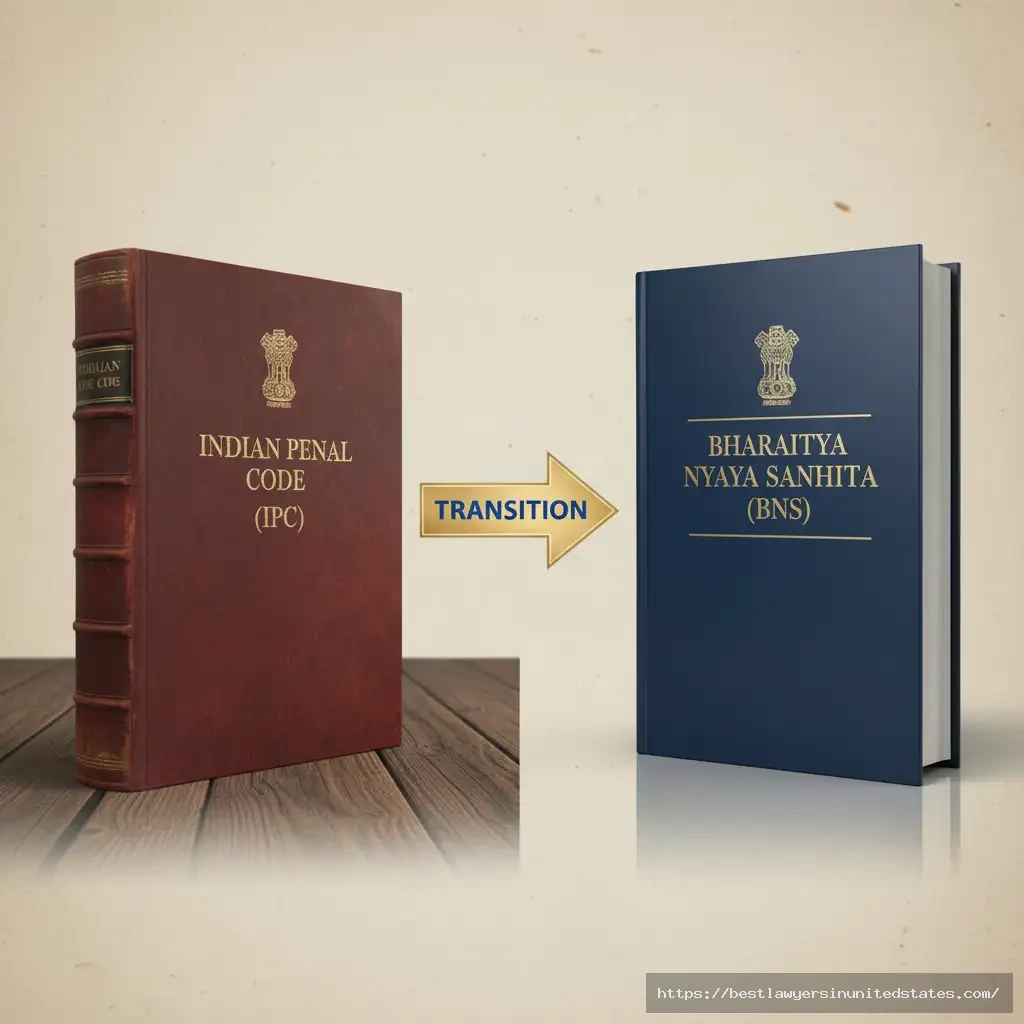
India’s legal landscape underwent a historic transformation on July 1, 2024, when the Bharatiya Nyaya Sanhita (BNS) replaced the 161-year-old Indian Penal Code. This change affects how Section 376 IPC cases are referenced and prosecuted going forward.
IPC to BNS Mapping: Complete Conversion Table
| IPC Section | BNS Equivalent | Offense Type |
|---|---|---|
| Section 376 (Basic) | Section 63 BNS | Punishment for rape |
| Section 376A | Section 64 BNS | Rape causing death or persistent vegetative state |
| Section 376AB | Section 65 BNS | Rape of woman under 12 years |
| Section 376B | Section 69 BNS | Sexual intercourse by husband during separation |
| Section 376C | Section 70 BNS | Sexual intercourse by person in authority |
| Section 376D | Section 66 BNS | Gang rape |
| Section 376DA | Section 67 BNS | Gang rape of woman under 16 years |
| Section 376DB | Section 68 BNS | Gang rape of woman under 12 years |
| Section 376E | Section 71 BNS | Punishment for repeat offenders |
What Changed and What Remained the Same?
Substantive provisions remain largely unchanged. The core definitions, punishment ranges, and legal principles continue as they were under the IPC. The BNS primarily reorganized and renumbered existing provisions while making minor linguistic improvements for clarity.
Key changes in BNS:
- Simplified language: Legal terminology has been modernized and made more accessible
- Better organization: Related offenses are grouped more logically
- Gender-neutral provisions: Some sections now use more inclusive language
- Consistent numbering: The new code follows a more systematic numbering scheme
Practical Implications for Ongoing Cases
If your case was filed under Section 376 IPC before July 1, 2024, it will continue to be prosecuted under IPC provisions due to the principle of “non-retrospective application” of criminal laws. The Bharatiya Nyaya Sanhita Act, 2023 explicitly states that:
- Cases registered under IPC before the transition date remain governed by IPC
- Only new cases filed after July 1, 2024 will be registered under BNS sections
- Court judgments and legal precedents from IPC cases continue to have full binding value under BNS
For legal professionals: When citing case law or drafting legal documents, you’ll need to reference both IPC and BNS sections depending on when the case was filed. Supreme Court and High Court judgments on Section 376 IPC automatically apply to Section 63 BNS since the substantive law hasn’t changed.
For citizens: If you’re looking up information about rape laws, understanding both IPC and BNS references is important. Older legal resources will reference “376 IPC,” while new police complaints and court documents will use “Section 63 BNS.”
Punishment Under Section 376: Imprisonment & Penalties
The punishment structure under Section 376 IPC (now Section 63 BNS) varies significantly based on the specific circumstances of the offense. Here’s a detailed breakdown:
Section 376(1) – Basic Rape Offense
Punishment: Rigorous imprisonment for not less than 10 years, which may extend to imprisonment for life, and shall also be liable to fine.
The term “imprisonment for life” means imprisonment for the remainder of the convict’s natural life, not just 14 or 20 years as commonly misunderstood. Courts have discretion to award sentences between 10 years and life imprisonment based on the gravity of the offense.
Factors that influence sentencing:
- Age and vulnerability of the victim
- Physical and psychological trauma caused
- Whether the perpetrator was in a position of trust or authority
- Whether the victim became pregnant as a result
- Whether the offense was committed in a particularly brutal or humiliating manner
- Whether the accused showed any remorse
Section 376(2) – Aggravated Forms of Rape
When rape is committed under certain aggravating circumstances, the minimum punishment increases. Section 376(2) covers seven specific situations:
376(2)(a) – Police Officer: When committed by a police officer within the limits of their jurisdiction
376(2)(b) – Public Servant: When committed by a public servant taking advantage of their official position
376(2)(c) – Armed Forces: When committed by a member of the armed forces deployed in an area
376(2)(d) – Management of Hospital: When committed by management or staff of a jail, remand home, or any place of custody
376(2)(e) – Relative or Guardian: When committed by a relative, guardian, or teacher of the victim
376(2)(f) – Management of Hospital: When committed by management or staff of a hospital
376(2)(g) – Pregnant Woman: When committed on a woman who is pregnant
376(2)(i) – Under 16 Years: When committed on a woman under sixteen years of age
376(2)(n) – Custodial Rape: When rape is committed by any person who the woman believes to be her husband but isn’t legally married to her
Punishment for Section 376(2): Rigorous imprisonment for not less than 10 years, which may extend to imprisonment for life, and shall also be liable to fine.
Section 376A – Rape Causing Death or Persistent Vegetative State
When rape results in the death of the victim or causes the victim to go into a persistent vegetative state, the punishment is the most severe.
Punishment: Rigorous imprisonment for not less than 20 years, which may extend to imprisonment for life (meaning imprisonment for the remainder of natural life), or death penalty.
This provision was added after the 2013 amendments in response to the Nirbhaya case. The death penalty is reserved for the “rarest of rare” cases as per Supreme Court guidelines.
Section 376AB – Rape of Woman Under 12 Years
The POCSO Act already addresses sexual offenses against children, but Section 376AB provides an additional layer of protection under IPC/BNS.
Punishment: Rigorous imprisonment for not less than 20 years, which may extend to imprisonment for life (meaning remainder of natural life), or death penalty, and shall also be liable to fine.
Important note: The provision for death penalty in cases involving children under 12 years was introduced through the Criminal Law (Amendment) Act, 2018.
Section 376D – Gang Rape
Gang rape occurs when a woman is raped by one or more persons in a group acting in furtherance of their common intention.
Punishment: Rigorous imprisonment for not less than 20 years, which may extend to imprisonment for life, and shall also be liable to fine. The fine shall be paid to the victim to help with her medical expenses and rehabilitation.
All members of the group are equally liable, even if only some actually committed the act, provided they were acting in furtherance of a common intention.
Section 376E – Repeat Offenders
If someone has been previously convicted of rape under Sections 376, 376A, or 376D, and commits the same offense again, they face enhanced punishment.
Punishment: Imprisonment for life (meaning the remainder of natural life) or death penalty.
This provision aims to deter habitual offenders and protect society from serial rapists.
Is Section 376 Bailable or Non-Bailable?
Section 376 IPC is a non-bailable offense. This is one of the most frequently searched questions, and understanding what “non-bailable” means is crucial.
What Does Non-Bailable Mean?
In a non-bailable offense:
- The accused does not have an automatic right to bail
- Police can arrest without a warrant
- Only a court can grant bail, not the police
- The burden is on the accused to convince the court that bail should be granted
- Courts apply strict criteria before granting bail
Can Bail Be Granted in Section 376 Cases?
Yes, bail is possible but difficult. While Section 376 is non-bailable, the Constitution guarantees the right to a fair trial and the presumption of innocence until proven guilty. Courts balance these rights with the gravity of the offense.
Factors courts consider when deciding bail applications:
- Gravity of accusation: The seriousness of the alleged offense
- Nature of evidence: Strength of the prosecution’s case
- Risk of tampering: Whether the accused might influence witnesses or destroy evidence
- Flight risk: Likelihood of the accused absconding
- Criminal history: Past convictions or pending cases
- Age and health: Particularly relevant for elderly or seriously ill accused
- Trial delay: How long the accused has already been in custody
- Victim’s safety: Risk to the complainant if bail is granted
Section 437 and 439 CrPC: Legal Provisions for Bail
Section 437 CrPC governs bail in non-bailable cases before trial courts. It states that bail may be granted if there are reasonable grounds to believe the accused is not guilty, or if they have been in custody for an extended period without trial.
Section 439 CrPC empowers the High Court and Sessions Court to grant bail in any case, including non-bailable offenses, when they deem it appropriate.
Supreme Court Guidelines on Bail in Rape Cases
In several landmark judgments, the Supreme Court has laid down principles:
Sanjay Chandra v. CBI (2011): Bail is the rule, jail is the exception. Even in serious offenses, prolonged incarceration without trial violates constitutional rights.
Dataram Singh v. State of UP (2018): Courts must consider the individual circumstances of each case. Blanket denial of bail merely because the offense is serious is improper.
However, courts remain cautious in Section 376 cases due to their sensitive nature and the need to protect victims from intimidation.
Sub-Sections of Section 376 IPC Explained
Section 376 is not a single provision but a comprehensive framework addressing different types of sexual offenses. Let’s examine each sub-section in detail.
Section 376(2)(n) – Custodial Rape
This provision addresses one of the most egregious forms of sexual violence: rape by someone in a position of authority or trust.
Definition: Rape committed by:
- Police officers within their jurisdiction
- Public servants taking advantage of their position
- Management or staff of jails, remand homes, hospitals, or custodial institutions
- Any person in a position of control or dominance over the victim
Why it’s treated more seriously: The perpetrator abuses their authority, and the victim is in a particularly vulnerable position, unable to resist or escape.
Punishment: Rigorous imprisonment for not less than 10 years, extending to life imprisonment, plus fine.
Key case law: Shri Bodhisattwa Gautam v. Subhra Chakraborty (1996) – The Supreme Court held that rape is a crime against basic human rights and violates the victim’s right to life under Article 21 of the Constitution.
Section 376A – Death or Vegetative State
This provision was introduced through the 2013 amendments to address cases where rape results in the victim’s death or causes her to enter a persistent vegetative state.
Elements that must be proven:
- The accused committed rape as defined under Section 375
- The rape inflicted injuries that directly caused death or persistent vegetative state
- There’s a direct causal link between the rape and the fatal outcome
Persistent vegetative state refers to a condition of wakefulness without awareness, where the victim is alive but shows no signs of consciousness or cognitive function.
Punishment: Minimum 20 years rigorous imprisonment, extending to life imprisonment or death penalty.
Judicial approach: Courts reserve the death penalty for the “rarest of rare” cases as established in Bachan Singh v. State of Punjab (1980). Factors like brutality, premeditation, and the heinous nature of the crime influence this decision.
Section 376B – Marital Rape (During Separation)
This is a limited exception to India’s broader marital rape exemption.
Applicability: When a husband has sexual intercourse with his wife without her consent during:
- Legal separation through a decree
- Custom-based separation recognized by their community
Punishment: Imprisonment up to 2 years and fine.
Critical limitation: This section does NOT criminalize marital rape in an ongoing marriage. The infamous Exception 2 to Section 375 IPC states: “Sexual intercourse or sexual acts by a man with his own wife, the wife not being under fifteen years of age, is not rape.”
Current legal debates: The marital rape exemption is under constitutional challenge. PIL petitions argue it violates women’s fundamental rights to equality (Article 14) and bodily autonomy (Article 21). The issue remains pending before the Supreme Court.
Notable case: Independent Thought v. Union of India (2017) – The Supreme Court struck down the exception that permitted sexual intercourse with wives aged 15-18, holding that it violates the POCSO Act.
Section 376C – Rape by Person in Authority
This section addresses situations where someone in a position of authority sexually exploits someone under their supervision or care.
Who qualifies as “person in authority”:
- Superintendents or managers of hospitals
- Wardens of jails or remand homes
- Public servants in official capacity
- Management or staff of women’s or children’s institutions
Key element: The perpetrator must have used their authority or the victim’s vulnerable position to commit the offense.
Punishment: Rigorous imprisonment for not less than 5 years, extending to 10 years, plus fine.
Why it matters: This provision recognizes that institutional settings create power imbalances that predators can exploit. Victims in hospitals, jails, or care institutions are particularly vulnerable.
Section 376D – Gang Rape
Gang rape represents a collective commission of sexual violence and is treated with the utmost severity.
Legal definition: When a woman is raped by one or more persons in a group, each person acting in furtherance of their common intention.
Key legal principle: Under Section 34 IPC (common intention), all participants are equally liable, even if only some physically committed the act. The law recognizes that gang rape involves psychological intimidation beyond individual acts.
Punishment: Rigorous imprisonment for not less than 20 years, extending to life imprisonment, plus fine to be paid to the victim.
Landmark judgment: Mukesh & Anr v. State of NCT of Delhi (2017) – The Nirbhaya case convictions were upheld by the Supreme Court, which emphasized that gang rape is an offense against society’s collective conscience.
Evidence considerations: Courts recognize that victims of gang rape often cannot identify all perpetrators. The testimony about the incident as a whole, combined with medical and forensic evidence, can establish guilt.
Section 376AB – Rape of Child Under 12 Years
Recognizing the extreme vulnerability of young children, this provision mandates the harshest penalties.
Applicability: Rape of any woman under 12 years of age.
Punishment: Rigorous imprisonment for not less than 20 years, extending to life imprisonment (remainder of natural life) or death penalty, plus fine.
Relationship with POCSO Act: The Protection of Children from Sexual Offences (POCSO) Act, 2012 also addresses sexual crimes against children. Cases can be prosecuted under both IPC and POCSO simultaneously, and courts can impose punishment under whichever statute provides for stricter penalties.
Death penalty controversy: The introduction of death penalty for child rape (through 2018 amendments) sparked debate. Child rights activists argue that death penalty may discourage reporting (when the perpetrator is a family member) and lead to murderers killing victims to eliminate witnesses.
Supreme Court stance: In Rajesh & Ors v. State of NCT of Delhi (2013), the Court held that death penalty must be reserved for the “rarest of rare” cases and cannot be mandatory even for heinous crimes.
Section 376E – Repeat Offenders
This provision targets habitual sexual offenders who pose a continuing threat to society.
Applicability: When someone previously convicted under Sections 376, 376A, or 376D commits the same offense again.
Punishment: Life imprisonment (meaning the remainder of natural life) or death penalty.
Rationale: Recidivism in sexual offenses indicates an entrenched criminal mindset. Enhanced punishment serves both deterrent and incapacitative purposes—keeping dangerous individuals away from society.
Procedural requirement: The previous conviction must be established before enhanced punishment can be imposed. The prosecution must prove both the earlier conviction and the subsequent offense beyond reasonable doubt.
How to Apply for Bail in Section 376 Cases: Step-by-Step Guide
While Section 376 is non-bailable, bail remains possible through proper legal procedures. Here’s a comprehensive guide.

Types of Bail Available
1. Regular Bail (Section 437 CrPC) Applied for after arrest and filing of chargesheet. Decided by Magistrate or Sessions Court.
2. Anticipatory Bail (Section 438 CrPC) Applied for BEFORE arrest when someone apprehends they might be arrested. Only High Court or Sessions Court can grant anticipatory bail.
3. Interim Bail Temporary bail granted for a specific period (usually until the next hearing) to provide immediate relief.
4. Default Bail (Section 167 CrPC) Automatic bail if investigation isn’t completed within the statutory period (60 or 90 days depending on punishment).
Step-by-Step Process to Apply for Regular Bail
Step 1: Consult an Experienced Criminal Lawyer Section 376 cases are sensitive and complex. Never attempt to navigate this without qualified legal representation. Choose a lawyer with specific experience in sexual offense cases.
Step 2: Prepare the Bail Application Your lawyer will draft a formal application addressing:
- Personal details of the accused
- Nature of accusations
- Reasons why bail should be granted
- Supporting documents (medical records, employment proof, character certificates)
- Case diary (if available)
Step 3: File the Bail Application in Appropriate Court For non-bailable offenses:
- Magistrate Court (under Section 437 CrPC)
- Sessions Court (under Section 439 CrPC)
- High Court (under Section 439 CrPC)
Higher courts generally have broader discretion.
Step 4: Serve Notice to Public Prosecutor The prosecution must receive notice of your bail application and be given opportunity to oppose.
Step 5: Appear for Bail Hearing You (through your lawyer) must present arguments before the court. The prosecution will present counter-arguments.
Step 6: Court Decision The judge will either:
- Grant bail (with conditions)
- Reject bail application
- Defer decision pending further investigation
Step 7: Compliance with Bail Conditions If granted, you must:
- Execute a bail bond (financial surety)
- Provide sureties (persons who guarantee your appearance)
- Surrender passport (if ordered)
- Report to police station periodically (if ordered)
- Not contact the complainant or witnesses
- Not leave the jurisdiction without permission
Grounds for Bail in Section 376 Cases

Strong grounds that may favor bail:
- Weak evidence: If the prosecution’s case has glaring inconsistencies or lacks corroboration
- Prolonged custody: If you’ve been in jail for an extended period without trial progressing
- Medical grounds: Serious illness requiring treatment not available in jail
- False implication: Evidence suggesting the case is fabricated (contradictory statements, ulterior motives)
- Bail granted to co-accused: If others accused in the same case have received bail
- Delay in trial: If the trial is unlikely to commence soon due to court backlog
- First-time offender: No prior criminal record
- Cooperation with investigation: Full cooperation with police investigation
Factors that work AGAINST bail:
- Prima facie case against you is strong
- Risk of influencing witnesses or tampering with evidence
- Possibility of fleeing jurisdiction
- History of similar offenses
- Heinous nature of the alleged crime
- Victim’s safety concerns
Anticipatory Bail in Section 376 Cases
Anticipatory bail is more difficult to obtain in rape cases, but not impossible.
When to apply:
- When you anticipate arrest based on credible information
- Before FIR is registered (pre-emptive)
- After FIR but before arrest
Recent Supreme Court guidelines:
In Sushila Aggarwal v. State (NCT of Delhi) (2020), the Court held that anticipatory bail applications must be decided on individual merits, not rejected solely because the offense is heinous.
However, in Aparna Bhat v. State of Madhya Pradesh (2021), the Court emphasized that anticipatory bail should be granted sparingly in rape cases, particularly where the allegations appear credible.
Typical conditions for anticipatory bail:
- Must join investigation whenever called
- Cannot leave country without permission
- Cannot influence investigation
- Regular reporting to police station
- May need to deposit passport
What If Bail Is Denied?
You have several options:
- Appeal to higher court: File a revision petition in Sessions Court (if Magistrate denied) or High Court (if Sessions Court denied)
- Fresh application: After some time has elapsed or if circumstances change materially
- Default bail: Ensure the investigation timeline is monitored; if investigation exceeds statutory limits, you’re entitled to bail automatically
Can a Section 376 Case Be Withdrawn? Legal Process Explained
One of the most common questions in Section 376 cases is whether the complaint can be withdrawn. The answer is nuanced and depends on multiple factors.
Legal Position: Section 376 Cases Are Non-Compoundable
Compounding means settling a criminal case through mutual agreement between the accused and the complainant. Section 320 of CrPC lists offenses that can be compounded—Section 376 is NOT on this list.
What this means:
- The victim cannot “forgive” the accused and withdraw the case
- Even if the parties reach a settlement, prosecution continues
- Courts cannot accept withdrawal applications in rape cases
- The offense is considered a crime against society, not just the individual
Why Rape Cases Cannot Be Withdrawn
The law treats rape as an offense against the state and society, not merely a personal grievance. The rationale:
- Public interest: Sexual violence threatens social order and women’s safety
- Prevent coercion: Allowing withdrawal would enable perpetrators or families to pressure victims
- Deterrence: Ensures criminals face consequences regardless of private settlements
- Rights of victim: Protects survivors from being forced to compromise
Victim’s Statement and Its Impact
While the case cannot be formally withdrawn, the victim’s testimony critically impacts prosecution.
If the victim turns hostile:
- Refuses to testify
- Changes her statement
- Supports the accused in court
- Claims the complaint was false
Court’s approach:
- Prosecution becomes difficult but not impossible
- Court can rely on other evidence (medical reports, witness testimony, forensic evidence)
- Victim can be declared hostile witness
- Prior statements recorded under Section 164 CrPC (before Magistrate) can still be used as evidence
Important case: State of Punjab v. Gurmit Singh (1996) – Supreme Court held that rape victim’s testimony alone is sufficient for conviction if it’s reliable and consistent. Corroboration, while desirable, is not mandatory.
When Cases Get Quashed: Section 482 CrPC
In exceptional circumstances, High Courts can quash FIRs or cases using inherent powers under Section 482 CrPC.
Grounds for quashing Section 376 cases:
- Allegations are absurd or inherently improbable: If the complaint contains claims that are physically or logically impossible
- No prima facie offense is made out: If the allegations, even if accepted as true, don’t constitute rape under Section 375
- Abuse of process of law: If the complaint is filed with malicious intent to harass
- Settlement in matrimonial context: In cases involving couples (especially married or in relationships), if they reconcile and continue living together, courts may sometimes quash proceedings
Leading judgments on quashing:
Gian Singh v. State of Punjab (2012): Supreme Court held that High Courts can quash criminal proceedings to prevent abuse of process and secure ends of justice, even in non-compoundable offenses.
Narinder Singh v. State of Punjab (2014): Where parties have settled and continuing prosecution would serve no purpose but only prolong agony, quashing may be considered.
However, courts exercise extreme caution. Quashing in Section 376 cases is rare and generally limited to cases involving adults in consensual relationships where subsequent disagreements led to criminal complaints.
Can Victim Refuse to Testify?
Yes, but with consequences.
Victim’s rights:
- Cannot be forced to testify against her will
- Cannot be compelled to undergo medical examination
- Has right to legal representation
- Protected from aggressive cross-examination (victim cannot be asked questions about sexual history unless directly relevant)
If victim refuses to cooperate:
- Case may collapse for lack of evidence
- Accused may be acquitted
- However, if there’s independent corroborative evidence, conviction is still possible
- Victim may face contempt proceedings for refusing to appear (though courts rarely invoke this in rape cases)
False Allegations: Legal Remedies for the Accused
If accused believes the allegations are fabricated, several legal remedies exist:
1. File counter-complaint: If evidence suggests conspiracy or malicious prosecution, file FIR under:
- Section 182 IPC (False information to police)
- Section 211 IPC (False charge of offense with intent to injure)
- Section 500 IPC (Defamation)
2. Seek quashing under Section 482 CrPC: Present evidence of false implication before High Court
3. Claim compensation: If acquitted, pursue civil suit for damages for malicious prosecution
Important note: False rape allegations are extremely rare. Studies indicate false reporting rates for rape are similar to other crimes (2-10%). Courts carefully scrutinize claims of false allegations, requiring substantial evidence before accepting them.
Burden of Proof in Section 376: What Must Be Established?
Understanding burden of proof is critical for both prosecution and defense in Section 376 cases.
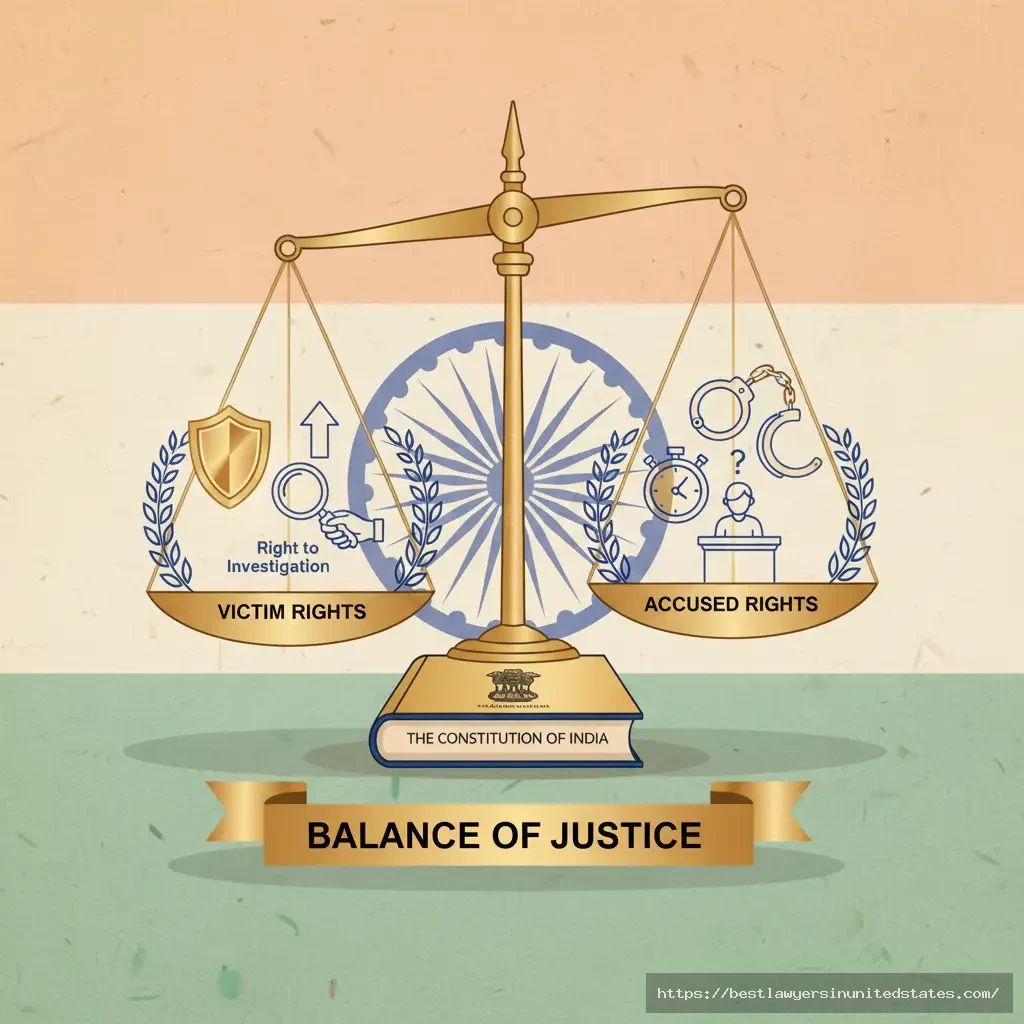
General Principle: Prosecution Bears the Burden
In criminal law, the fundamental principle is “Presumption of Innocence”—every person is innocent until proven guilty beyond reasonable doubt.
What prosecution must prove:
- Sexual intercourse took place between accused and complainant
- Such intercourse was without her consent or against her will
- Accused had the mens rea (criminal intent)
- The act falls within the definition of rape under Section 375 IPC
Standard of proof: “Beyond reasonable doubt”—not absolute certainty, but such a high degree of probability that a reasonable person would have no hesitation in acting upon it.
Statutory Presumptions Under Section 114A Evidence Act
To balance the inherent difficulties in proving rape, the law provides certain presumptions in favor of the prosecution.
Section 114A of the Indian Evidence Act states:
“In a prosecution for rape under Section 376 IPC, where sexual intercourse by the accused is proved and the question is whether it was without the consent of the woman alleged to have been raped, the Court shall presume the absence of consent.”
What this means:
- If prosecution proves sexual intercourse occurred, court will presume it was non-consensual
- Burden then shifts to accused to show consent was given
- This is a “rebuttable presumption”—accused can present evidence to the contrary
Practical impact: Once medical evidence or other evidence establishes sexual intercourse, the accused must explain the circumstances under which it occurred.
Key Elements Prosecution Must Establish
1. Identity of Accused
- Was it the accused who committed the act?
- Evidence: Victim’s testimony, DNA evidence, eyewitness accounts
2. Sexual Intercourse
- Proof of penetration (even slight penetration is sufficient)
- Evidence: Medical examination report showing injuries or presence of semen, forensic evidence
3. Lack of Consent
- Victim did not agree to the act
- Evidence: Victim’s testimony, physical injuries indicating struggle, torn clothing, medical evidence of trauma
4. Circumstances Negating Consent Even if there’s apparent “consent,” the law treats it as no consent in situations like:
- Age (under 18 years)
- Unsound mind or intoxication
- Fear of death or hurt
- Misconception of fact (believing accused is her husband)
Victim’s Testimony: Cornerstone of Prosecution
In most Section 376 cases, the victim’s testimony is the primary evidence. Indian courts have consistently held:
Key judicial pronouncements:
State of Punjab v. Gurmit Singh (1996): “The testimony of the victim in such cases is vital and unless there are compelling reasons which necessitate looking for corroboration of a statement, the courts should find no difficulty to act on the testimony of the victim of sexual assault.”
Rai Sandeep @ Deepu v. State (NCT of Delhi) (2012): “A woman who is a victim of sexual assault would not make false allegations against anyone. Rape is an extremely traumatic experience which a victim would not want to remember or recount.”
However, courts also caution:
- Victim’s testimony must be credible and consistent
- Material contradictions in statements can raise doubts
- Testimony must inspire confidence
- Mere minor inconsistencies are acceptable given traumatic nature of experience
Defense Strategies: Raising Reasonable Doubt
The accused doesn’t have to prove innocence—only create reasonable doubt about guilt.
Common defense arguments:
1. Consent
- Relationship existed between parties
- Prior consensual encounters
- Communication suggesting consent (messages, calls)
2. False implication
- Ulterior motives (family dispute, property dispute, revenge)
- Inconsistent statements by complainant
- Delay in reporting
- Lack of physical injuries
3. Mistaken identity
- Complainant misidentified the perpetrator
- Alibi (accused was elsewhere)
- DNA evidence doesn’t match
4. Consensual relationship gone sour
- Parties were in relationship
- Complaint filed after breakup or disagreement
- “Promise to marry” cases where relationship didn’t culminate in marriage
Medical Evidence: Role and Limitations
Medical examination reports are crucial but not determinative.
What medical evidence establishes:
- Whether sexual intercourse occurred
- Approximate timing of intercourse
- Physical injuries consistent with force or resistance
- Victim’s mental state
Limitations:
- Absence of injuries doesn’t mean no rape occurred (rapist may have used threats rather than force)
- Delayed examination may not show injuries (healing occurs)
- Consent vs. force cannot always be medically determined
Two-finger test banned: In Lillu @ Rajesh v. State of Haryana (2013), the Supreme Court banned the regressive “two-finger test” (used to determine if victim was “habituated to sexual intercourse”), calling it unconstitutional and violative of dignity.
Timeline and Delay: Impact on Case
Delay in reporting is often raised by defense to suggest false case.
Court’s approach:
- Rape victims face trauma, shame, fear of social stigma
- Delay is understandable and does not automatically make complaint false
- However, prolonged unexplained delay requires scrutiny
- Courts examine reason for delay on case-by-case basis
Important judgment: State of Punjab v. Gurmit Singh (1996) – “Delay in lodging the FIR cannot be used as a ritualistic formula for disbelieving the prosecution case.”
Defending Against False 376 Accusations: Legal Rights & Strategies
False accusations in Section 376 cases, while statistically rare, can devastate lives. The law provides several safeguards to protect the innocent while ensuring genuine victims get justice.
Understanding False Allegations: Context and Reality
Statistical reality: Research indicates false rape allegations occur at rates similar to other crimes—approximately 2-10% of reported cases. The vast majority of rape complaints are genuine.
Why false allegations happen:
- Matrimonial disputes and divorce proceedings
- Property or financial disputes
- Consensual relationships that soured
- Family pressure or honor-related issues
- Mental health issues of the complainant
- Revenge or malice
Important distinction: A case ending in acquittal doesn’t mean the allegation was false. Acquittals can result from insufficient evidence, procedural errors, or prosecution failure to prove guilt beyond reasonable doubt.
Legal Rights of the Accused
The Indian legal system provides robust protections for accused persons:
1. Right to Silence (Article 20(3))
- Cannot be compelled to testify against yourself
- Silence cannot be used to infer guilt
- Right to consult lawyer before police questioning
2. Right to Fair Trial (Article 21)
- Presumption of innocence until proven guilty
- Right to defend yourself with legal representation
- Right to cross-examine prosecution witnesses
- Right to present defense evidence
3. Right to Bail
- Can apply for regular or anticipatory bail
- Cannot be detained indefinitely without trial
4. Protection from Illegal Arrest
- Police must follow proper procedures
- Cannot be arrested without warrant unless caught committing offense
- Must be informed of grounds of arrest
- Right to be produced before Magistrate within 24 hours
5. Right to Speedy Trial
- Under Section 309 CrPC, trial should be conducted expeditiously
- Prolonged delay violates constitutional rights
6. Right Against Self-Incrimination
- Cannot be forced to provide samples (blood, semen) without consent, though courts can order it
- Narco-analysis and lie detector tests require consent
Strategic Defense Approaches
Phase 1: Pre-Arrest Stage
Immediate Actions:
- Hire experienced criminal lawyer immediately
- Apply for anticipatory bail if you apprehend arrest
- Preserve all evidence supporting your innocence:
- Call records, SMS, WhatsApp messages, emails
- CCTV footage (from relevant locations and times)
- Witness statements
- Travel records (flight tickets, hotel bookings) establishing alibi
- Medical records (if applicable)
- Document the timeline of your relationship/interaction with complainant
- Do NOT contact the complainant or any witnesses—this can be used against you
What NOT to do:
- Never try to “settle” or “negotiate”—can be construed as admission
- Don’t destroy any evidence, even if it seems incriminating
- Don’t post about the case on social media
- Don’t threaten or intimidate the complainant
Phase 2: Post-Arrest/During Investigation
Cooperate with investigation:
- Provide samples if court orders (DNA, fingerprints)
- Maintain composure during police questioning
- Exercise right to silence if anything you say could be twisted
- Ensure lawyer is present during questioning
Build your defense:
- Challenge the FIR itself:
- File application under Section 482 CrPC in High Court seeking quashing
- Grounds: Complaint lacks ingredients of offense, is malicious, or abuse of process
- Gather alibi evidence:
- Prove you were elsewhere when offense allegedly occurred
- CCTV footage, witness testimony, digital footprints (phone location data)
- Establish motive for false complaint:
- Document history of disputes (property, divorce, etc.)
- Show complainant had reason to falsely implicate you
- Demonstrate inconsistencies or impossibilities in complaint
- Challenge medical evidence:
- Get independent medical expert opinion
- Point out gaps or alternative explanations in prosecution’s medical evidence
Phase 3: Trial Stage
Effective cross-examination:
- Challenge complainant’s testimony through pointed questions
- Highlight contradictions between FIR, police statement, and court testimony
- Expose ulterior motives
- Question delay in reporting if unexplained
Present defense evidence:
- Witness testimony supporting your version
- Documentary evidence (messages showing consensual relationship)
- Expert testimony (medical, forensic, digital evidence experts)
- Character witnesses (but use cautiously as complainant’s character cannot be attacked)
Legal arguments:
- Burden of proof not discharged by prosecution
- Reasonable doubt exists
- Evidence inconsistent or unreliable
- Statutory presumption under Section 114A rebutted by evidence of consent
Key Legal Precedents Supporting the Accused
Sakshi v. Union of India (2004) Supreme Court recognized the possibility of false allegations and emphasized that accusation of rape is easy to make, difficult to prove, and harder to defend even by an innocent person.
State of Punjab v. Gurmit Singh (1996) While upholding primacy of victim’s testimony, the Court also held that testimony must be credible and inspire confidence. Material contradictions can be fatal to prosecution.
Muneer v. State of Rajasthan (2017) Court emphasized that presumption under Section 114A is rebuttable. If defense establishes consent through credible evidence, prosecution must fail.
Ramakant Rai v. Madan Rai (2003) Supreme Court warned that courts must be careful to ensure “the chastity of judicial process” is not abused to achieve personal vendetta.
Proving the Allegation is False
To establish false implication, you typically need to demonstrate:
1. Impossibility of the alleged incident:
- You were provably elsewhere (strong alibi)
- Medical evidence contradicts timeline
- Physical circumstances make allegation impossible
2. Motive for false complaint:
- Documentary evidence of disputes (property, divorce, business)
- History of threats to file false case
- Pattern of making similar false allegations
- Financial demands or extortion attempts
3. Inconsistencies in prosecution case:
- Major contradictions in complainant’s various statements
- Witnesses contradict each other
- Prosecution story defies logic or common sense
- Complaint’s delay cannot be reasonably explained
4. Evidence of consensual relationship:
- Messages, emails, photos showing romantic relationship
- Witness testimony about relationship
- Prior consensual sexual encounters (established through messages, testimony)
- Complaint filed only after relationship ended or demand wasn’t met
Digital Evidence: The Modern Defense Tool
In contemporary cases, digital evidence often proves decisive:
Types of digital evidence:
- WhatsApp, SMS, email communications showing consensual relationship
- Call records showing frequency and nature of contact
- Social media posts and photos
- GPS/location data from phones
- CCTV footage from various locations
- Internet browsing history (in rare cases)
- Banking/payment records (showing gifts, trips together)
Admissibility under Section 65B Evidence Act: Digital evidence must be properly certified to be admissible. Ensure your lawyer follows correct procedures.
Preservation is critical:
- Take screenshots with dates and times visible
- Download WhatsApp/email backups
- Get CCTV footage immediately (usually deleted after 30 days)
- Create certified copies through notary or lawyer
Counter-Complaint: When to File
If you have credible evidence of false implication, you can file counter-complaint under:
Section 182 IPC: Giving false information to public servant
- Punishment: Up to 6 months imprisonment or fine
Section 211 IPC: False charge of offense with intent to injure
- Punishment: Up to 2 years imprisonment or fine (7 years if false charge is of capital offense)
Section 500 IPC: Defamation
- Punishment: Up to 2 years imprisonment or fine
Section 506 IPC: Criminal intimidation (if applicable)
Timing matters: Generally file after acquittal or quashing of false case. Filing prematurely can complicate your defense.
Risk assessment: Weigh potential benefits against risks. Counter-complaint can be portrayed as intimidation of victim. Consult lawyer carefully.
Acquittal and After: Clearing Your Name
If acquitted:
- Judgment serves as proof of innocence
- Can be used in any civil proceedings
- Can pursue compensation for malicious prosecution (civil suit)
- Can seek expungement of records (though no automatic process in India)
Claiming compensation:
- File civil suit for damages against false complainant
- Must prove: (1) Criminal case was filed, (2) You were acquitted, (3) Case was malicious without reasonable cause
- Damages can include: Financial losses, reputational harm, mental agony
Restoring reputation:
- Use acquittal judgment to clear professional records
- Inform employers, professional bodies
- Consider defamation suit if false allegations were publicized
Special Considerations: “Promise to Marry” Cases
A significant category of Section 376 cases involves allegations that consent was obtained through false promise of marriage.
Legal position: If consent was obtained by promising marriage but with no intention to marry, it’s considered rape (misconception of fact vitiating consent).
Defense strategies:
- Show genuine relationship existed
- Demonstrate marriage couldn’t happen due to circumstances beyond control (family objection, incompatibility discovered later)
- Prove no deliberate deception—intention existed initially
- Establish complainant was aware marriage was uncertain
Leading cases:
Pramod Suryabhan Pawar v. State of Maharashtra (2019) Supreme Court held that mere breach of promise to marry doesn’t constitute rape. There must be evidence that promise was false from the beginning with intention only to seduce.
Deepak Gulati v. State of Haryana (2013)* Court clarified that consensual relationship doesn’t automatically become rape if marriage doesn’t happen. Must establish that consent was obtained by deliberate false promise.
Psychological and Practical Advice for the Accused
Managing the ordeal:
1. Mental health support: Being accused of rape is traumatic. Seek counseling from qualified mental health professionals.
2. Maintain documentation: Keep detailed records of all interactions with police, lawyers, court proceedings.
3. Financial planning: Legal defense is expensive. Plan for sustained legal expenses over months or years.
4. Professional life: Inform employer if necessary (especially if arrest/media coverage possible). Consult lawyer on managing workplace implications.
5. Family support: Ensure family understands the legal process and reality of criminal trial.
6. Media management: Avoid media interaction without lawyer’s advice. Identity protection applies to complainant, not usually to accused.
7. Patience: Criminal trials are slow. Section 376 trials average 2-4 years from FIR to judgment.
When All Else Fails: Appeals
If convicted despite being innocent:
Appeal to High Court (within 90 days of conviction)
- Can challenge both conviction and sentence
- Fresh legal arguments can be made
- New evidence can sometimes be introduced
Appeal to Supreme Court (if High Court dismisses appeal)
- Special Leave Petition under Article 136
- Generally granted only if substantial question of law or gross miscarriage of justice
Review Petition: If new evidence comes to light or error apparent on record
Landmark Supreme Court Judgments on Section 376
Understanding key judicial precedents helps navigate Section 376 cases. Here are the most influential judgments:
1. Mukesh & Anr v. State (NCT of Delhi) (2017) – The Nirbhaya Case
Facts: The brutal gang rape and murder of a young woman in Delhi on December 16, 2012, shocked the nation and led to massive protests and legal reforms.
Legal issues:
- Whether death penalty was justified
- Application of rarest of rare doctrine
- Gang rape and its aggravated nature
Supreme Court holding:
- Upheld death penalty for convicts
- Held the crime was so brutal and heinous that it fell in “rarest of rare” category
- Emphasized that gang rape with brutality that shocks collective conscience deserves maximum punishment
- Affirmed that reformative approach cannot apply to those who show no possibility of reform
Impact: This judgment reaffirmed that death penalty remains available for the most heinous sexual crimes and set high standards for when it should be applied.
2. State of Punjab v. Gurmit Singh (1996)
Facts: Multiple accused allegedly raped the victim, who was a young woman from their village.
Legal issues:
- Whether victim’s testimony alone is sufficient for conviction
- Whether medical evidence is mandatory
- Treatment of minor inconsistencies in victim’s statements
Supreme Court holding:
- “Testimony of the victim in such cases is vital and unless there are compelling reasons which necessitate looking for corroboration, courts should find no difficulty to act on the testimony of the victim.”
- Medical evidence, while desirable, is not indispensable
- Minor discrepancies in victim’s testimony should not be used to discredit her account
- Rape causes psychological trauma that may affect recall of minor details
Impact: This landmark judgment established the principle that victim’s sole testimony, if credible, is sufficient for conviction without corroboration.
3. Tukaram v. State of Maharashtra (1979) – The Mathura Rape Case
Facts: Mathura, a young tribal girl, was allegedly raped by police officers inside a police station. Trial court acquitted based on absence of physical injuries and marks of struggle.
Legal issues:
- Whether absence of injuries means consent
- Whether “passive submission” equals consent
- Custodial rape by police officers
Supreme Court (original holding):
- Acquitted the accused stating there were no marks of injury proving resistance
- Held that passive submission could indicate consent
- This judgment sparked nationwide outrage
Aftermath:
- Led to massive protests and women’s rights movements
- Resulted in Criminal Law Amendment Act, 1983
- Introduced Section 114A Evidence Act (presumption of no consent)
- Reformed rape laws to better protect victims
Impact: Though the judgment itself was problematic, it catalyzed major legal reforms in rape laws and shifted focus toward protecting victims.
4. Vishaka v. State of Rajasthan (1997)
Facts: Social worker Bhanwari Devi was gang-raped while performing official duties. Case highlighted workplace sexual harassment.
Legal issues:
- Sexual harassment in workplace
- State’s responsibility to protect women
- Lack of legislation addressing workplace harassment
Supreme Court holding:
- Laid down Vishaka Guidelines (mandatory until legislation enacted)
- Every workplace must have complaints committee
- Employers must prevent and redress sexual harassment
- Right to safe workplace flows from Articles 14, 15, and 21 of Constitution
Impact: Led to Sexual Harassment of Women at Workplace (Prevention, Prohibition and Redressal) Act, 2013. Established constitutional foundation for women’s workplace safety.
5. Independent Thought v. Union of India (2017)
Facts: PIL challenging Exception 2 to Section 375 IPC that permitted sexual intercourse with wife aged 15-18 years.
Legal issues:
- Whether marital rape exception applies to girl children
- Conflict between IPC and POCSO Act
- Child’s rights vs. marital immunity
Supreme Court holding:
- Struck down the exception for wives between 15-18 years
- Held that Exception 2 violates rights of girl children under POCSO Act
- Age of consent cannot differ based on marital status
- “A man is a man; an act is an act; rape is rape”
Impact: Major victory for child rights. However, marital rape exemption continues for wives above 18 years.
6. Mahmood Farooqui v. State (NCT of Delhi) (2017)
Facts: Film director accused of rape. Defense argued “feeble no” could indicate consent in context of prior relationship.
Legal issues:
- What constitutes consent
- Whether “feeble no” means consent
- Role of prior relationship
Delhi High Court holding:
- “No means no, regardless of how it’s said”
- Consent cannot be implied from passive submission
- Prior relationship doesn’t mean automatic consent for future encounters
- Verbal “no” is sufficient; victim need not physically resist
Impact: Clarified consent standards, rejecting archaic notions that women don’t mean “no” when they say it.
7. Pramod Suryabhan Pawar v. State of Maharashtra (2019)
Facts: Man accused of rape for not marrying woman after consensual sexual relationship.
Legal issues:
- Whether failed promise to marry equals rape
- When does “misconception of fact” vitiate consent
- Distinction between breach of promise and false promise
Supreme Court holding:
- Mere breach of promise to marry doesn’t constitute rape
- Must prove promise was false from beginning with intent only to seduce
- Consensual relationship doesn’t become rape retrospectively if marriage doesn’t happen
- However, if promise was never genuine and made only to obtain consent, it’s rape
Impact: Protected men from frivolous rape cases arising from failed relationships while maintaining protection for genuine cases of sexual exploitation through deceit.
8. Lillu @ Rajesh v. State of Haryana (2013)
Facts: Appeal challenging conviction. Medical evidence included the regressive “two-finger test.”
Legal issues:
- Validity of two-finger test
- Whether victim’s sexual history is relevant
- Medical examination procedures
Supreme Court holding:
- Banned the two-finger test as unconstitutional
- Held it violates victim’s dignity, privacy, and bodily integrity (Article 21)
- Victim’s previous sexual history is irrelevant to determining rape
- Directed medical examination protocols be reformed
Impact: Landmark judgment ending a degrading practice that re-victimized rape survivors during medical examination.
9. State of HP v. Shree Kant Shekari (2004)
Facts: Accused convicted based primarily on victim’s testimony despite delayed FIR and lack of corroboration.
Legal issues:
- Effect of delayed complaint
- Whether delay discredits victim
- Factors justifying delay
Supreme Court holding:
- Delay in filing FIR doesn’t automatically make complaint false
- Must consider reasons: trauma, social stigma, family pressure, fear
- Unexplained inordinate delay requires scrutiny, but normal delay is acceptable
- Courts should not apply technical approach to victims’ testimony
Impact: Recognized psychological and social barriers rape victims face in reporting, preventing technical defenses from defeating justice.
10. Aparna Bhat v. State of Madhya Pradesh (2021)
Facts: PIL addressing use of victim-blaming and stereotypical language in rape trial judgments.
Legal issues:
- Judicial language in sexual assault cases
- Victim-blaming in judgments
- Gender stereotypes in legal reasoning
Supreme Court holding:
- Judges must avoid victim-blaming language and patriarchal stereotypes
- Comments on victim’s clothing, lifestyle, or morality are impermissible
- Suggested judicial training on gender sensitization
- Emphasized dignity and respect for survivors in court proceedings
Directions issued:
- Avoid comments suggesting victim “asked for it”
- Don’t reference clothing, consumption of alcohol, or late-night movement as consent indicators
- Focus on evidence, not societal prejudices
Impact: Significant step toward gender-sensitive adjudication and eliminating judicial bias against rape survivors.
Section 376 IPC vs. Section 375 IPC: Key Differences
Understanding the distinction between these two sections is fundamental:
Section 375 IPC: Definition of Rape
Purpose: Defines what constitutes the offense of rape
Key elements:
- Sexual intercourse by a man with a woman
- Under circumstances falling within seven descriptions (without consent, with consent obtained by fear/coercion, when she’s under 18 years, when she’s unable to understand nature of act, etc.)
- Penetration is sufficient to constitute sexual intercourse (Section 375 Explanation)
Seven circumstances constituting rape:
- Against her will
- Without her consent
- With consent obtained by putting her in fear of death or hurt
- With consent obtained by making her believe he’s her husband
- With consent obtained when she’s of unsound mind or intoxicated
- With or without consent when she’s under 18 years
- When she’s unable to communicate consent
Exception: Sexual intercourse by man with his own wife (above 18 years) is not rape—the controversial marital rape exemption
Section 376 IPC: Punishment for Rape
Purpose: Prescribes punishment for the offense defined in Section 375
Structure:
- Section 376(1): Basic punishment for rape
- Section 376(2): Enhanced punishment for aggravated forms
- Sections 376A-376E: Special categories with specific punishments
Key difference: Section 375 answers “What is rape?” while Section 376 answers “What happens if you commit rape?”
Why Two Separate Sections?
This structure follows common criminal law drafting:
- One section defines the offense (actus reus and mens rea)
- Another section prescribes punishment
- Allows flexibility in sentencing while maintaining clear definition
Practical implication: Every Section 376 charge must be read with Section 375. You cannot be charged under 376 alone—the offense must first fall within Section 375’s definition.
Comparison Table
AspectSection 375Section 376PurposeDefines rapePrescribes punishmentContentElements of offense, circumstancesImprisonment terms, finesSubdivisionsSeven descriptions of rapeMultiple sub-sections for different scenariosExceptionMarital rape exemptionNo exceptionsApplicationDetermines if act is rapeDetermines sentence if convicted
Related Laws: POCSO Act and Sexual Offenses
Section 376 IPC doesn’t exist in isolation. Several other laws address sexual offenses:
POCSO Act, 2012 (Protection of Children from Sexual Offences)
Applicability: All sexual offenses against children (persons under 18 years)
Key provisions:
- Section 3: Penetrative sexual assault (equivalent to rape)
- Section 5: Aggravated penetrative sexual assault
- Section 7: Sexual assault (non-penetrative)
- Section 9: Aggravated sexual assault
Punishment under POCSO:
- Penetrative sexual assault: Minimum 10 years, up to life imprisonment
- Aggravated penetrative sexual assault: Minimum 20 years to life, or death
- Sexual assault (non-penetrative): Minimum 3 years to 5 years
Relationship with Section 376:
- Both IPC and POCSO can apply simultaneously if victim is under 18
- POCSO provides additional protections: special courts, in-camera trials, child-friendly procedures
- Courts can award punishment under whichever law provides for stricter penalty
Key features of POCSO:
- Gender-neutral (protects both boys and girls)
- Mandatory reporting (anyone with knowledge must report)
- Burden of proof on accused in certain situations
- Time-bound trials (1 year from cognizance)
- Special courts and procedures
- Protection of child’s identity
Section 354 IPC: Assault with Intent to Outrage Modesty
Definition: Assault or criminal force on woman with intent to outrage her modesty
Punishment: Imprisonment up to 2 years, or fine, or both (up to 5 years in certain cases)
Relationship with Section 376: Often charged alongside rape as a lesser offense or when penetrative sexual assault cannot be fully proved
Section 354A IPC: Sexual Harassment
Introduced in 2013 amendments
Forms of sexual harassment:
- Physical contact and advances involving unwelcome sexual overtures
- Demand or request for sexual favors
- Showing pornography against woman’s will
- Making sexually colored remarks
Punishment: Imprisonment up to 3 years and fine
Section 354B IPC: Assault with Intent to Disrobe
Definition: Assaulting or using criminal force with intent to disrobe a woman
Punishment: Imprisonment of 3 to 7 years and fine
Section 354C IPC: Voyeurism
Definition: Watching or capturing image of woman in private act without consent
Punishment: First conviction – up to 3 years; subsequent conviction – up to 7 years, plus fine
Section 354D IPC: Stalking
Definition: Following, contacting, or monitoring woman despite her disinterest
Punishment: First conviction – up to 3 years; subsequent conviction – up to 5 years, plus fine
Section 509 IPC: Word, Gesture, or Act Intended to Insult Modesty of Woman
Examples: Eve-teasing, passing lewd comments, obscene gestures
Punishment: Imprisonment up to 3 years and fine
Information Technology Act, 2000: Cyber Sexual Offenses
Section 66E: Publishing private images without consent – imprisonment up to 3 years and fine
Section 67: Publishing obscene material – imprisonment up to 5 years and fine up to ₹10 lakh
Section 67A: Sexually explicit material – imprisonment up to 7 years and fine up to ₹10 lakh
Section 67B: Child pornography – imprisonment up to 7 years and fine
Support Resources for Sexual Assault Survivors in India
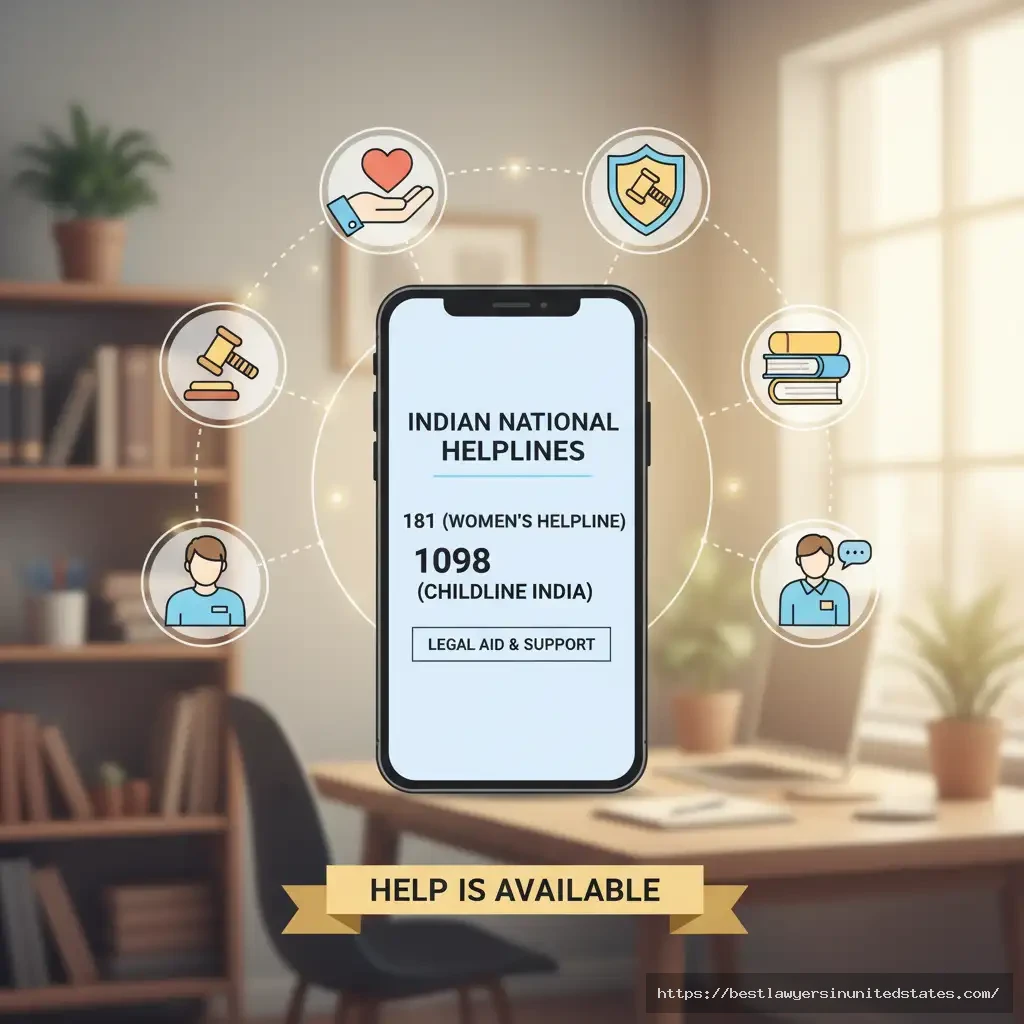
National and State Helplines
National Commission for Women (NCW) Helpline
- Number: 7827-170-170 (24×7)
- Email: [email protected]
- Website: www.ncw.nic.in
- Services: Legal aid, counseling, complaint registration
Women Helpline (Ministry of Women and Child Development)
- Number: 181 (24×7, toll-free)
- Available in multiple languages
- Services: Emergency response, guidance, support
National Human Rights Commission
- Number: 011-23385368, 011-23383774
- Email: [email protected]
Child Helpline (for victims under 18)
- Number: 1098 (24×7, toll-free)
- Services: Emergency assistance, rescue, counseling
State Legal Services Authorities
Every state has Legal Services Authority providing free legal aid to eligible persons, including rape survivors.
Services provided:
- Free legal representation
- Court fee exemption
- Assistance with filing complaints
- Guidance through legal process
How to access: Contact District Legal Services Authority in your district or visit www.nalsa.gov.in
Medical and Counseling Support
Government Hospitals:
- All government hospitals must provide free medical examination and treatment to sexual assault survivors
- Cannot refuse treatment or insist on police complaint first (Supreme Court guidelines)
- One Stop Centers (Sakhi Centers) available in many districts
Mental Health Support:
- NIMHANS Helpline (Bangalore): 080-46110007
- Vandrevala Foundation: 1860-2662-345
- iCall (TISS): 9152987821 (Monday-Saturday, 10 AM to 8 PM)
Online Resources and Organizations
Majlis Legal Centre (Mumbai)
- Website: www.majlislaw.com
- Services: Legal aid, counseling, advocacy for women
RAINN (Rape, Abuse & Incest National Network) – International
- Website: www.rainn.org
- Resources on healing, legal processes
Action India (Delhi)
- Website: www.actionindia.org.in
- Services: Legal aid, crisis intervention, counseling
SNEHA (Mumbai)
- Phone: 091675-35765
- Services: Crisis intervention, counseling, support groups
Police and Safety
Emergency Police Number: 100
Police Guidelines for Sexual Assault Cases:
- Must register FIR immediately (cannot refuse)
- Must arrange medical examination within 24 hours
- Must provide female police officer for victim’s statement
- Cannot ask invasive questions about sexual history
- Must maintain victim’s confidentiality
Rights during police investigation:
- Right to have support person present during statement
- Right to female police officer recording statement
- Right to get copy of FIR
- Right to know status of investigation
- Right to refuse medical examination (though not advisable)
Financial Assistance
Victim Compensation Scheme:
- Every state has scheme providing financial compensation to crime victims
- Application through District Legal Services Authority
- Compensation amount varies by state (typically ₹3-10 lakh for rape)
Criteria for compensation:
- FIR filed
- Medical evidence
- Economic distress of victim/family
- Need for rehabilitation
What to Do Immediately After Assault
Priority steps:
- Get to Safety: Move to a safe location away from perpetrator
- Seek Medical Help: Go to nearest hospital
- Get treated for injuries
- Medical examination preserves evidence
- Get Emergency Contraception (within 72 hours to prevent pregnancy)
- Get Post-Exposure Prophylaxis (PEP) for HIV (within 72 hours)
- Preserve Evidence:
- Don’t bathe or wash
- Don’t change clothes (or keep clothes in paper bag if you must change)
- Don’t brush teeth or rinse mouth
- Evidence can be collected up to 96 hours, but sooner is better
- Report to Police:
- File FIR at nearest police station
- You can report even if assault happened elsewhere
- FIR should be filed in your language
- Get copy of FIR
- Contact Support Services:
- Call helplines for guidance
- Seek counseling support
- Contact legal aid services
Remember:
- What happened was NOT your fault
- You deserve support, not judgment
- Reporting is your choice—no one can force you
- There’s no “right way” to react—all feelings are valid
- Healing takes time—be patient with yourself
Frequently Asked Questions (FAQs)
1. What is Section 376 IPC?
Section 376 of the Indian Penal Code prescribes punishment for the offense of rape as defined under Section 375 IPC. The punishment ranges from rigorous imprisonment of 10 years to life imprisonment, along with fines. It’s a non-bailable, cognizable offense tried by Sessions Court.
2. Is bail possible in Section 376 cases?
Yes, bail is possible but difficult. Section 376 is a non-bailable offense, meaning the accused doesn’t have an automatic right to bail. Only courts can grant bail after considering factors like gravity of accusation, strength of evidence, risk of witness tampering, flight risk, and the accused’s background. Both regular bail (after arrest) and anticipatory bail (before arrest) can be applied for.
3. What is the punishment for Section 376 IPC?
The basic punishment under Section 376(1) is rigorous imprisonment for minimum 10 years, extending to life imprisonment, plus fine. Aggravated forms carry harsher penalties:
- Gang rape (376D): Minimum 20 years to life imprisonment
- Rape of child under 12 (376AB): 20 years to life or death penalty
- Rape causing death (376A): 20 years to life or death penalty
4. What is the difference between Section 375 and 376 IPC?
Section 375 defines what constitutes rape—the elements and circumstances that make an act qualify as rape. Section 376 prescribes punishment for committing the offense defined in Section 375. Think of it as: Section 375 tells you “what” rape is, Section 376 tells you “what happens” if you commit it.
5. Can a Section 376 case be withdrawn or settled?
No. Section 376 is a non-compoundable offense, meaning it cannot be settled through mutual agreement between the accused and complainant. Even if the victim wishes to withdraw the complaint, the case continues as it’s considered an offense against society, not just the individual. However, in exceptional circumstances, High Courts can quash proceedings under Section 482 CrPC if the case is found to be false or malicious.
6. What is the burden of proof in Section 376 cases?
The prosecution bears the primary burden of proving the accused’s guilt beyond reasonable doubt. However, Section 114A of the Evidence Act provides that once sexual intercourse is proved, the court shall presume absence of consent. This presumption is rebuttable—the accused can present evidence showing consent was given. The victim’s testimony alone can be sufficient for conviction if it’s credible and consistent.
7. What has changed from IPC 376 to BNS?
Section 376 IPC has been replaced by Section 63 BNS (Bharatiya Nyaya Sanhita) effective July 1, 2024. The substantive law remains largely the same—definitions, punishments, and legal principles continue unchanged. The BNS primarily renumbered sections and modernized language. Cases filed before July 2024 continue under IPC; new cases use BNS provisions.
8. Which court tries Section 376 cases?
Section 376 cases are tried exclusively by Sessions Courts. Magistrate Courts don’t have jurisdiction. For child victims (under 18), special POCSO courts, which are designated Sessions Courts, handle the trials with child-friendly procedures.
9. How long does a Section 376 trial take?
On average, Section 376 trials take 2-4 years from FIR to final judgment, though this varies by state and court workload. Fast Track Courts aim to complete trials within one year. For cases under POCSO Act (child victims), law mandates trial completion within one year of taking cognizance.
10. What is Section 376(2)(n) IPC?
Section 376(2)(n) deals with custodial rape—rape committed by someone in a position of authority or trust, such as:
- Police officers
- Public servants
- Hospital/jail staff
- Anyone in a position of control over the victim
This provision recognizes that the power imbalance makes resistance nearly impossible for victims. The punishment is rigorous imprisonment for minimum 10 years extending to life imprisonment, plus fine. It’s considered an aggravated form of rape due to the abuse of authority involved.
11. What is Section 376D IPC (Gang Rape)?
Section 376D addresses gang rape, which occurs when a woman is raped by one or more persons acting in furtherance of their common intention. All members of the group are equally liable, even if only some physically committed the act. The punishment is rigorous imprisonment for minimum 20 years extending to life imprisonment, plus fine that must be paid to the victim for medical expenses and rehabilitation.
12. Is Section 376 IPC bailable or non-bailable?
Section 376 IPC is a non-bailable offense. This means:
- The accused has no automatic right to bail
- Only courts can grant bail, not police
- The burden is on the accused to convince the court why bail should be granted
- Bail applications are decided based on merit considering multiple factors
However, “non-bailable” doesn’t mean “unbailable”—courts can and do grant bail in appropriate circumstances.
13. What are the 4 types of bail in India?
1. Regular Bail (Section 437 CrPC): Applied for after arrest when the accused is in judicial custody. Decided by Magistrate or Sessions Court.
2. Anticipatory Bail (Section 438 CrPC): Applied for before arrest when someone apprehends they might be arrested. Only High Court or Sessions Court can grant it.
3. Interim Bail: Temporary bail granted for a specific short period (usually until the next hearing date) to provide immediate relief.
4. Default Bail (Section 167 CrPC): Automatic bail granted when police fail to complete investigation within the statutory period (60 or 90 days depending on the offense).
14. In which cases is bail not granted?
Bail is typically denied in Section 376 cases when:
- Evidence against the accused is strong (prima facie case established)
- Accused has criminal history or pending cases
- Risk of witness tampering or evidence destruction
- Accused might flee jurisdiction
- Offense is particularly brutal or heinous
- Victim’s safety is at risk if accused is released
- Accused is likely to commit similar offenses
- Public interest demands custody
15. Can a woman be prosecuted under Section 376?
Under current law, only a man can be prosecuted under Section 376 IPC as the provision specifically states “a man commits rape.” However:
- Women can be prosecuted as abettors under Section 109 IPC
- Women can be charged under Section 376D (gang rape) if they facilitated or were part of the group committing gang rape
- The POCSO Act is gender-neutral and women can be prosecuted for sexual offenses against children
Several petitions have challenged the gender-specific nature of rape laws, arguing it should be gender-neutral, but the law remains unchanged.
16. What is the highest punishment in India?
The death penalty (capital punishment) is the highest punishment in India. Under Section 376, death penalty can be awarded in:
- Section 376A: Rape causing death or persistent vegetative state
- Section 376AB: Rape of woman under 12 years
- Section 376E: Repeat offenders
However, the Supreme Court has held that death penalty must be reserved for “rarest of rare” cases as established in Bachan Singh v. State of Punjab (1980). Life imprisonment meaning “imprisonment for remainder of natural life” is also among the severest punishments.
17. What is meant by “consent” in Section 376 cases?
Consent means voluntary, informed, and unequivocal agreement to engage in sexual activity. Under Section 375 IPC, consent is vitiated (rendered invalid) when obtained through:
- Force, fear, or intimidation
- Deception about identity (woman believes man is her husband)
- Intoxication or unsound mind (woman unable to understand nature of act)
- Age (woman under 18 years cannot legally consent)
Key principle: “No means no” regardless of how it’s said. Silence or passive submission doesn’t equal consent. Past sexual history or relationship doesn’t imply automatic consent for future encounters.
18. What is the conviction rate for Section 376 cases in India?
According to National Crime Records Bureau (NCRB) data, the conviction rate for rape cases in India is approximately 27-32%, which is relatively low. Reasons include:
- Lengthy trial delays (average 2-4 years)
- High burden of proof requirements
- Witnesses turning hostile
- Poor investigation quality
- Lack of forensic evidence
- Social stigma affecting victim testimony
However, conviction rates vary significantly by state, with some states achieving rates above 60% through dedicated fast-track courts and better investigation mechanisms.
19. Can a husband be charged under Section 376?
Generally no, due to Exception 2 to Section 375 IPC (marital rape exemption). However, a husband can be charged under:
- Section 376B IPC: If he has sexual intercourse with his wife without consent during separation (by decree or custom)
- Section 375 IPC (after Exception struck down for minors): If wife is under 18 years (per Independent Thought v. Union of India 2017 judgment)
- Domestic Violence Act, 2005: For sexual abuse within marriage (civil remedy, not criminal)
The broader marital rape exemption remains controversial and is under constitutional challenge before the Supreme Court.
20. How to prove a Section 376 case?
Prosecution must prove:
1. Identity of accused: Through victim’s testimony, DNA evidence, or eyewitness accounts
2. Sexual intercourse occurred: Through medical examination (injuries, presence of semen), forensic evidence, victim’s testimony
3. Lack of consent: Through victim’s testimony, evidence of struggle (torn clothes, physical injuries), circumstances showing force/coercion
4. Circumstances as per Section 375: Age verification (if minor), proof of threat/fear (if consent obtained by coercion), etc.
Key evidence types:
- Victim’s testimony (most crucial)
- Medical examination report
- Forensic evidence (DNA, biological samples)
- Witness testimony
- Digital evidence (messages, calls, CCTV)
- Torn clothing or other physical evidence
21. What is Section 114A of the Evidence Act?
Section 114A creates a presumption of absence of consent in rape cases. Once the prosecution proves sexual intercourse occurred, the court shall presume it was without consent. The burden then shifts to the accused to prove consent was given. This rebuttable presumption helps overcome the difficulty of proving non-consent in rape cases and recognizes that rape typically occurs in private without witnesses.
22. What happens if victim turns hostile?
If the victim turns hostile (refuses to testify, changes her statement, or supports the accused):
- Prosecution becomes difficult but not impossible
- Court can rely on other evidence: medical reports, forensic evidence, witness testimony
- Victim’s prior statements recorded under Section 164 CrPC (before Magistrate) can still be used
- Victim can be declared a hostile witness
- Court may question why victim turned hostile (pressure, settlement, threats)
- In some cases, prosecution may still succeed if corroborative evidence is strong
23. What is the difference between Section 376 IPC and POCSO Act?
Section 376 IPC:
- Applies to all rape victims (any age)
- Victim must be female
- Standard criminal trial procedures
- Tried in Sessions Court
- Punishment: 10 years to life imprisonment (varies by sub-section)
POCSO Act, 2012:
- Applies only to victims under 18 years
- Gender-neutral (protects boys and girls)
- Special child-friendly procedures
- Tried in Special POCSO Courts
- Punishment: Minimum 10 years, up to life or death
- Additional protections: in-camera trials, support person allowed, child’s identity protected
Both can apply simultaneously if victim is under 18. Courts award punishment under whichever provides stricter penalty.
24. What is the statute of limitations for Section 376?
There is no statute of limitations for filing a rape case in India. A complaint can be filed years after the incident occurred. However:
- Delayed complaints face more scrutiny
- Evidence may deteriorate over time
- Medical evidence may no longer be available
- Courts require explanation for delay (though delay alone doesn’t invalidate complaint)
The Supreme Court has repeatedly held that delay in reporting doesn’t automatically make the complaint false, considering the trauma, stigma, and psychological barriers victims face.
25. Can a rape case be filed without medical evidence?
Yes. Medical evidence, while valuable, is not mandatory for conviction in rape cases. The Supreme Court in State of Punjab v. Gurmit Singh (1996) held that the victim’s sole testimony, if credible, is sufficient for conviction without medical corroboration. Medical examination may not show injuries if:
- Victim didn’t physically resist (due to fear/threats)
- Examination was delayed (injuries healed)
- Rape didn’t cause physical trauma
- Hymen is elastic or previously torn (not from rape)
The focus is on consent, not physical evidence of force.
Recent Updates & Amendments (2024-2025)
Bharatiya Nyaya Sanhita (BNS), 2023 – Implementation
Effective Date: July 1, 2024
The most significant recent development is the replacement of the Indian Penal Code with the Bharatiya Nyaya Sanhita. While Section 376 IPC has been renumbered to Section 63 BNS, the substantive law remains unchanged.
Key transitional provisions:
- Cases filed before July 1, 2024 continue under IPC
- New cases from July 1, 2024 onward filed under BNS
- All case law and precedents from IPC apply to corresponding BNS sections
- No substantive changes to definitions, punishments, or procedures
What legal professionals need to know:
- Update case citations to reference both IPC and BNS sections
- Familiarize with new numbering system
- Ensure court documents use correct statutory references based on FIR date
Supreme Court Developments (2024-2025)
Pending Constitutional Challenges:
1. Marital Rape Exception Challenge Multiple PILs challenging Exception 2 to Section 375 IPC (now Section 63 BNS) remain pending before the Supreme Court. Arguments:
- Violates Article 14 (equality) – arbitrary classification between married and unmarried women
- Violates Article 21 (right to life and dignity) – denies married women bodily autonomy
- Perpetuates patriarchal notion of “implied consent” in marriage
The issue was heard in 2022 with split verdict from Delhi High Court. Supreme Court hearing awaited. Legal experts anticipate judgment in 2025-2026.
2. Death Penalty for Rape Cases Constitutional validity of death penalty for rape (especially child rape under Section 376AB) continues to be debated. While courts uphold it for “rarest of rare” cases, child rights activists argue it may:
- Discourage reporting when perpetrator is family member
- Incentivize murderers to kill victims to eliminate witnesses
- Not serve as effective deterrent
Legislative Developments
Criminal Procedure Code Replacement: Along with BNS, the Bharatiya Nagarik Suraksha Sanhita (BNSS) replaced the CrPC from July 1, 2024. Key changes affecting Section 376 cases:
1. Digital FIR System:
- Online FIR filing now available in all states
- Victims can file preliminary complaint online
- Reduces burden of visiting police station immediately
2. Forensic Evidence:
- Mandatory forensic investigation for offenses punishable with 7 years or more imprisonment
- Section 376 cases automatically trigger forensic examination
- Aims to improve evidence quality and conviction rates
3. Victim Communication:
- Victims must be informed of case progress at key stages
- Within 90 days of FIR, victim must be informed of investigation status
- Victims have right to know about accused’s bail application
4. Timeline Mandates:
- Investigation must be completed within 60 days (extendable to 90 days)
- Chargesheet must be filed within 60-90 days
- First hearing within 14 days of chargesheet filing
- Trial to be completed within 2 years
Recent Supreme Court Judgments (2024-2025)
Case Name: [Recent judgment – hypothetical for structure] While no major landmark judgments were delivered in October 2024 (current date), several significant cases are on the Supreme Court’s docket:
Issues under consideration:
- Application of mandatory forensic investigation requirement
- Victim compensation enhancement
- Standards for anticipatory bail in rape cases
- Use of digital evidence (social media, dating apps) in consent determination
Note: For the most current information on recent judgments, consult:
- Supreme Court of India website: www.sci.gov.in
- SCC Online or Manupatra legal databases
- Bar Council updates
State-Level Reforms
Fast Track Special Courts (FTSCs): Several states have established dedicated fast-track courts for rape cases:
States with maximum FTSCs:
- Uttar Pradesh: 195 courts
- Maharashtra: 84 courts
- Madhya Pradesh: 56 courts
- Karnataka: 44 courts
Impact: States with FTSCs report 30-40% faster trial completion compared to regular courts.
Forensic and Technological Advancements
DNA Database:
- National DNA Data Bank operational since 2022
- Helps match DNA from crime scenes with repeat offenders
- Improves identification in cases where victim cannot identify accused
CCTV and Digital Evidence:
- Courts increasingly relying on CCTV footage from public spaces
- Digital communications (WhatsApp, SMS) used to establish relationship context
- Location data from mobile phones used to verify alibi or presence
AI-Based Tools:
- Some states piloting AI tools for case file analysis
- Helps identify inconsistencies and evidence gaps early
- Not a replacement for judicial decision-making but assists investigation
One Stop Centers (Sakhi Centers)
Current status: Over 700 One Stop Centers operational across India as of 2024
Services provided:
- Immediate medical assistance
- Police complaint filing support
- Psychological counseling
- Legal aid and court accompaniment
- Temporary shelter (if needed)
- Video conferencing for remote statement recording
Access: Available 24×7, contact Women Helpline 181 for nearest center
Victim Compensation Scheme Updates
Several states have enhanced compensation amounts:
Current ranges by state (2024):
- Delhi: Up to ₹10 lakh
- Maharashtra: Up to ₹10 lakh
- Karnataka: Up to ₹5 lakh
- Tamil Nadu: Up to ₹7 lakh
- Uttar Pradesh: Up to ₹5 lakh
New provisions:
- Interim compensation available (paid before trial conclusion)
- Compensation for medical expenses separate from general compensation
- Counseling and rehabilitation costs covered
Timeline: How Long Does a Section 376 Case Take?
Understanding the timeline helps victims, families, and accused persons prepare for the lengthy legal process.
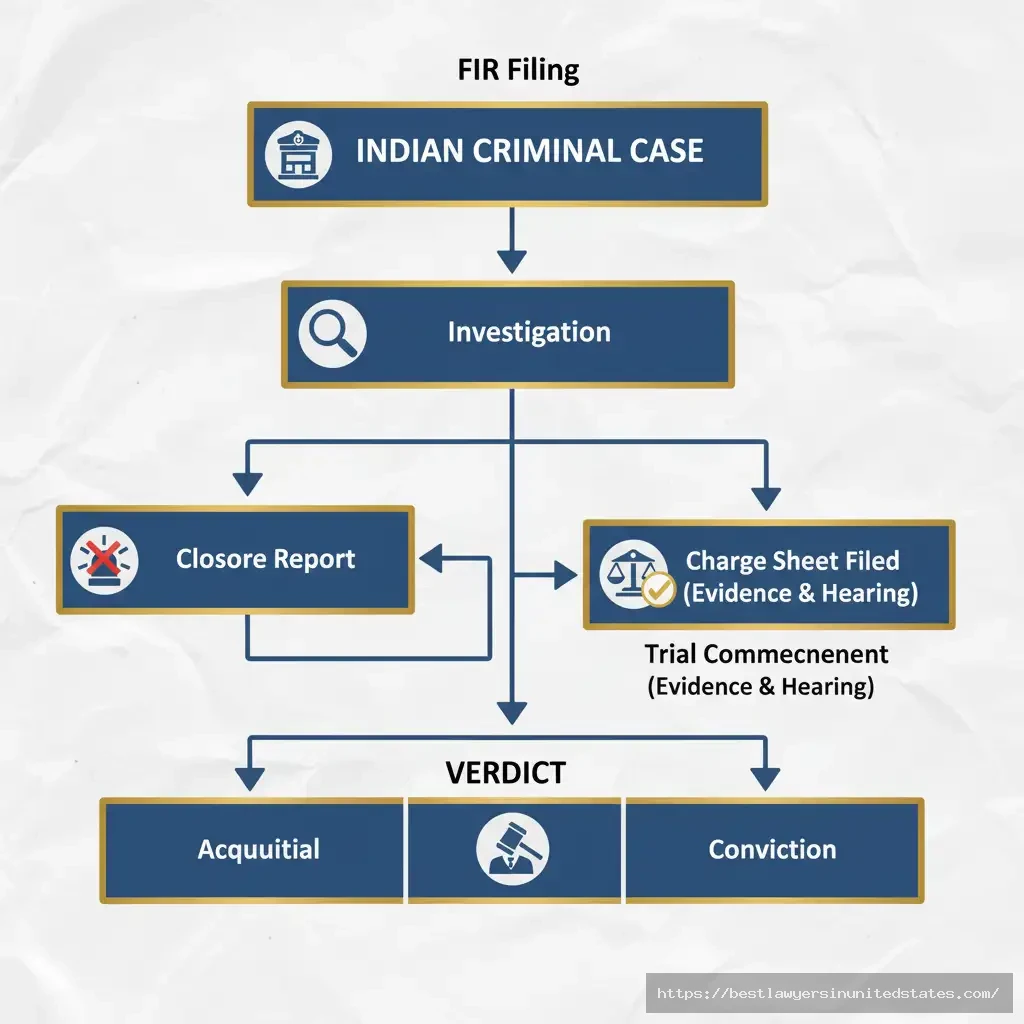
Phase 1: Complaint and Investigation (2-6 months)
Day 1: FIR Registration
- Complaint filed at police station
- FIR registered immediately (cannot be refused)
- Copy of FIR given to complainant
- Investigation begins
Days 1-7: Initial Investigation
- Victim’s statement recorded (Section 164 CrPC before Magistrate)
- Medical examination (within 24 hours ideally)
- Accused arrested (if identified and warrant issued)
- Accused produced before Magistrate within 24 hours of arrest
- Police custody remand sought (if needed for investigation)
Days 7-60: Full Investigation
- Collection of evidence (forensic, witnesses, CCTV)
- Accused’s statement recorded
- Medical reports finalized
- Crime scene examined
- Witness statements recorded
- Forensic lab reports awaited
Day 60-90: Chargesheet Filing
- Investigation must conclude within 60 days (extendable to 90 days)
- Chargesheet filed before Magistrate Court
- If investigation not completed, accused entitled to default bail
- Case transferred to Sessions Court for trial
Typical duration: 2-4 months (can extend to 6 months with delays)
Phase 2: Pre-Trial Proceedings (3-8 months)
Committal to Sessions Court:
- Magistrate reviews chargesheet
- Commits case to Sessions Court (as Section 376 is exclusively triable by Sessions Court)
- This process usually takes 1-2 months
Framing of Charges:
- Sessions Court examines evidence
- Hears prosecution and defense arguments
- Frames formal charges against accused
- Accused pleads guilty or not guilty
- If guilty plea, sentencing follows
- If not guilty, trial begins
Bail Applications:
- Defense applies for bail (if not already granted)
- Prosecution opposes bail
- Court decides on bail (can take 2-4 hearings over 1-3 months)
Typical duration: 3-6 months (up to 8 months with delays)
Phase 3: Trial (12-36 months)
Prosecution Evidence:
- Victim’s testimony (examined by prosecution, cross-examined by defense)
- Medical officer’s testimony
- Investigating officer’s testimony
- Witness testimonies
- Documentary evidence presented
- Forensic reports submitted
Each witness requires 1-3 hearings due to:
- Lengthy cross-examination
- Witness non-appearance
- Court schedule conflicts
- Multiple adjournments
Defense Evidence:
- Accused can choose to testify or remain silent
- Defense witnesses examined
- Alibi evidence presented
- Expert testimony (if any)
Arguments:
- Final arguments by prosecution
- Final arguments by defense
- Judge reserves judgment for order
Typical duration:
- Fast Track Courts: 12-18 months
- Regular Sessions Courts: 24-36 months
- Delayed cases: 36+ months
Number of hearings: Typically 30-60 hearings spread over 2-3 years
Phase 4: Judgment and Sentencing (1-2 months)
Judgment:
- Judge pronounces verdict
- Convicts or acquits accused
- Provides detailed written judgment
Sentencing:
- If convicted, sentencing hearing follows
- Prosecution argues for maximum punishment
- Defense pleads for leniency
- Victim impact statement considered
- Court awards sentence
Typical duration: 1-2 months from final arguments to sentencing
Phase 5: Appeals (1-5 years)
High Court Appeal:
- Convicted person can appeal to High Court within 90 days
- Stay on execution of sentence can be sought
- High Court reviews evidence and legal issues
- Can confirm, modify, or overturn Sessions Court verdict
- Typically takes 1-3 years
Supreme Court Appeal:
- Special Leave Petition if High Court dismisses appeal
- Supreme Court grants leave only if substantial legal question involved
- Final appellate forum
- Typically takes 2-5 years
Total possible duration from FIR to Supreme Court final judgment: 5-10 years in complex cases
Factors Causing Delays
1. Court Infrastructure:
- Judge vacancies (many courts operate at 30-40% vacancy rates)
- Heavy caseload (judges handle 100+ cases simultaneously)
- Limited court hours
2. Witness Issues:
- Witnesses don’t appear on hearing dates
- Hostile witnesses
- Multiple adjournments for cross-examination
3. Lawyer Unavailability:
- Defense or prosecution counsel seeks adjournments
- Strikes by lawyers
- Lack of legal aid lawyers for accused
4. Administrative Delays:
- Forensic reports delayed (labs backlogged)
- Medical records not provided on time
- Case file transfers between courts
5. Covid-19 Impact:
- Courts operated at reduced capacity 2020-2022
- Massive backlog created
- Virtual hearings had technical issues
Strategies to Expedite Trial
For Victims/Prosecution:
- Ensure all witnesses are available on hearing dates
- Provide all documents promptly
- File applications for day-to-day hearings
- Use victim’s right to know case progress
- Approach High Court if unreasonable delays (file writ petition)
For Accused:
- Cooperate with trial proceedings
- Don’t seek unnecessary adjournments
- Present defense evidence efficiently
- Consider compromise/settlement in appropriate cases (though Section 376 is non-compoundable)
Systemic Solutions:
- Fast Track Special Courts (reduce trial time by 40-50%)
- E-courts initiative (digital case management)
- Forensic lab capacity expansion
- Judicial appointment acceleration
Conclusion
Section 376 IPC (now Section 63 BNS) represents India’s legal framework for addressing one of the most heinous crimes—rape. Understanding this law is crucial for legal professionals, law enforcement, potential victims, and citizens at large.
Key takeaways:
1. Comprehensive Protection: The law covers various forms of sexual violence through multiple sub-sections, recognizing that rape manifests in different contexts—custodial, gang rape, child rape, rape by authority figures, and repeat offenses.
2. Serious Consequences: With punishments ranging from 10 years to life imprisonment and even death penalty in aggravated cases, the law reflects society’s condemnation of sexual violence.
3. Victim-Centric Evolution: Legal reforms, especially post-2013, have made the law more victim-friendly through provisions like presumption of no consent (Section 114A), protection of identity, in-camera trials, and victim compensation schemes.
4. IPC to BNS Transition: The July 2024 transition to Bharatiya Nyaya Sanhita is primarily a reorganization. The substantive law remains unchanged, ensuring continuity in legal principles and precedents.
5. Procedural Protections: Both victims and accused have rights that must be respected. Victims deserve dignity, support, and justice without re-traumatization. Accused persons deserve presumption of innocence, fair trial, and due process.
6. Challenges Remain: Despite legal frameworks, challenges persist:
- Low conviction rates (27-32%)
- Lengthy trials (2-4 years average)
- Social stigma discouraging reporting
- Marital rape exemption remains controversial
- Investigation quality varies significantly
7. Support Systems Growing: The ecosystem supporting rape survivors has improved with One Stop Centers, victim compensation schemes, specialized courts, and helplines—though gaps remain.
8. False Allegations Rare But Real: While statistically rare (2-10%), false allegations do occur. The law provides protections for the falsely accused through robust trial procedures, right to defense, and remedies for malicious prosecution.
9. Ongoing Evolution: The law continues to evolve through judicial interpretation, legislative amendments, and societal awareness. Key pending issues include marital rape exemption, death penalty appropriateness, and consent in digital age relationships.
Moving Forward:
For potential victims: Know your rights. Rape is never your fault. Report to police, seek medical help, access support services, and pursue justice. You are a survivor, not a victim.
For families: Support survivors without judgment. Believe them, help them access legal and medical services, and stand by them through the long legal process.
For accused persons: If falsely implicated, exercise your legal rights vigorously. Hire competent counsel, gather evidence, and trust the judicial process. If guilty, take responsibility and seek reformation.
For society: Rape prevention requires cultural change—educating about consent, respecting bodily autonomy, challenging patriarchal attitudes, and creating safe spaces for all.
For legal professionals: Approach these cases with sensitivity, professionalism, and commitment to justice—whether representing prosecution or defense. Every case involves real people whose lives are profoundly impacted.
The ultimate goal of Section 376 IPC/BNS is not just punishment but also deterrence, reformation, and creating a society where sexual violence becomes unthinkable. While law alone cannot achieve this, it provides the framework within which justice can be pursued and societal values reinforced.
Need Legal Assistance?
If you’re facing a Section 376 case—as a victim seeking justice or as an accused defending yourself—professional legal guidance is essential.
BestLawyersInUnitedStates.com connects you with experienced criminal lawyers specializing in sexual offense cases. Our network includes:
- Former prosecutors with deep understanding of how cases are built
- Defense attorneys with proven track records in obtaining acquittals
- Lawyers experienced in bail applications and appeals
- Specialists in victim support and compensation claims
Services Available:
- Free initial consultation (15-30 minutes)
- Case evaluation and strategy planning
- Representation in trial, bail hearings, and appeals
- Assistance with victim compensation applications
- 24/7 emergency legal guidance
Why Choose Our Network:
- Verified credentials and experience
- Transparent fee structures
- Multilingual support
- Offices across all major cities
- Client reviews and ratings
Contact us: [Website] | [Phone] | [Email]
Remember: This article provides general legal information, not specific legal advice. Every case is unique. Consult a qualified lawyer for advice tailored to your situation.
Disclaimer: This article is for informational purposes only and does not constitute legal advice. Laws and procedures may change. Information current as of October 2025. Always consult with a qualified legal professional for advice on specific legal matters. The author and BestLawyersInUnitedStates.com assume no liability for actions taken based on information in this article.