
Quick Answer: Yes, prostitution is legal in Mexico at the federal level, but each of Mexico’s 32 states regulates it differently. Sex workers operating in designated tolerance zones with proper health cards work legally, while street prostitution outside these areas may face penalties. Third-party activities like pimping remain illegal nationwide.
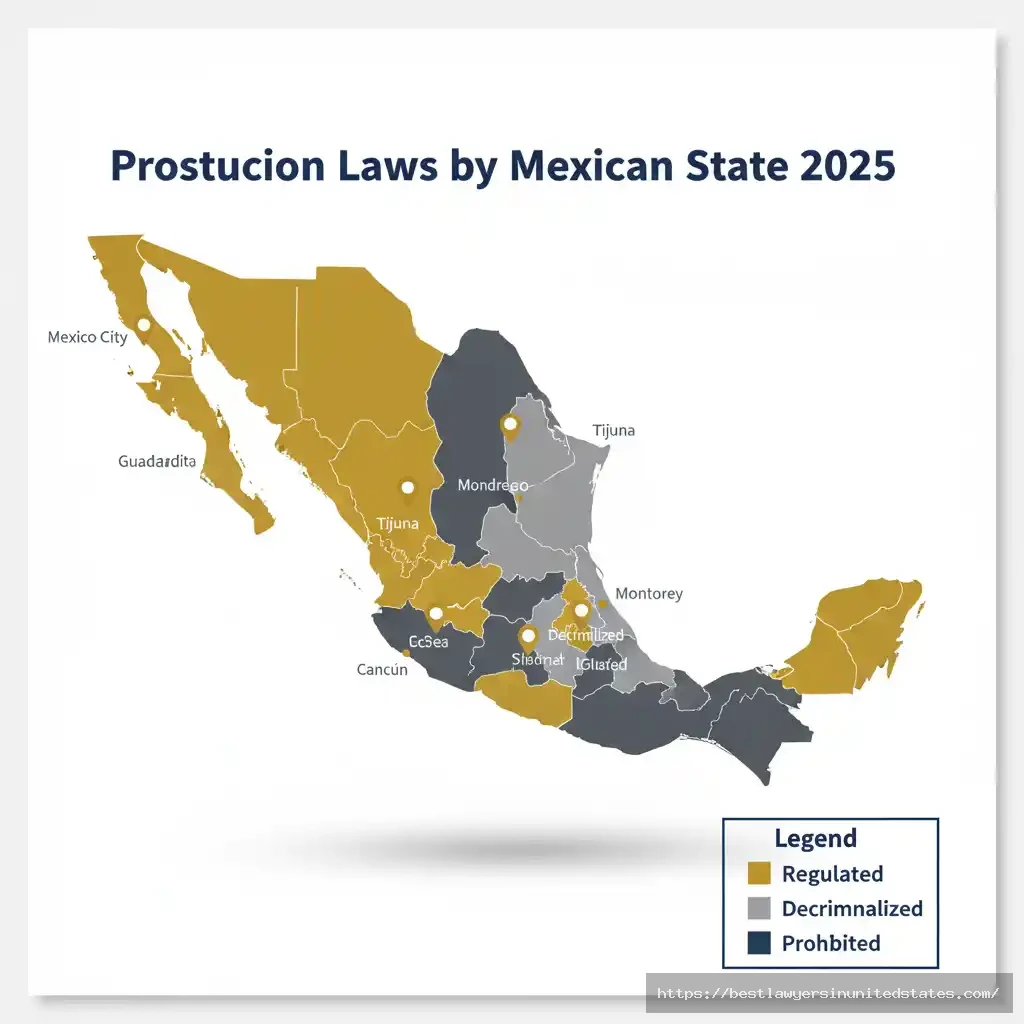
The legal landscape for sex work in Mexico is more complex than a simple yes or no answer. After spending years researching Mexican law and interviewing workers in tolerance zones from Tijuana to Mexico City, I’ve seen firsthand how these regulations play out differently across the country.
The Legal Status of Prostitution in Mexico
Mexico takes a unique approach to sex work regulation that often confuses visitors and even locals. The act of selling sexual services isn’t criminalized under federal law, but the framework surrounding it creates a patchwork of legality.
Federal vs State Jurisdiction
At the federal level, Mexico doesn’t prohibit adults from engaging in consensual sex work. This fundamental principle has been upheld since the 1940s. However, the real power lies with individual states and municipalities.
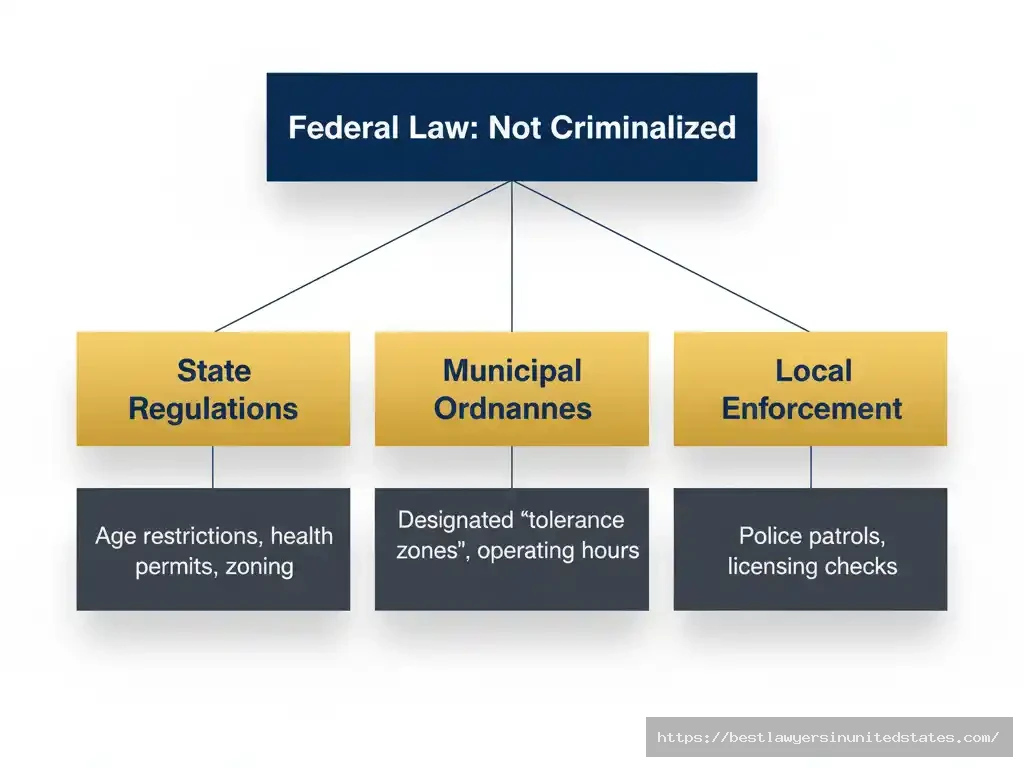
Each state can create its own regulations through municipal ordinances and state penal codes. This means what’s perfectly legal in Mexico City might get you arrested in Guanajuato. The federal government only steps in when cases involve human trafficking, organized crime, or minors.
Think of it like alcohol laws in the United States – the federal government allows it, but dry counties can still prohibit sales. Mexico’s approach to sex work follows a similar pattern.
What’s Legal vs What’s Criminal
Here’s where things get interesting. While selling sex is legal, almost everything around it walks a legal tightrope:
Legal activities:
- Individual adults selling sexual services
- Working in licensed establishments with proper permits
- Operating within designated tolerance zones
- Advertising personal services (in most states)
Illegal activities everywhere:
- Pimping or living off someone else’s sex work earnings (lenocinio)
- Running unlicensed brothels
- Forcing anyone into sex work
- Involving minors in any capacity
- Operating outside designated zones (in regulated cities)
The distinction matters. I’ve seen sex workers in Tijuana’s Zona Norte operate openly with police nearby, while those working just blocks away face constant harassment for being outside the tolerance zone.
2025 Updates: Recent Legal Changes
The landscape shifted dramatically when Mexico City’s congress voted in 2019 to remove sex work from its list of administrative offenses. By 2025, we’re seeing the full impact of this decision.
Mexico City Decriminalization (Full Implementation)
Mexico City’s groundbreaking move wasn’t just symbolic. The reform eliminated Article 24, Section VII of the Civic Culture Law, which previously allowed police to arrest sex workers for “disturbing the peace.”
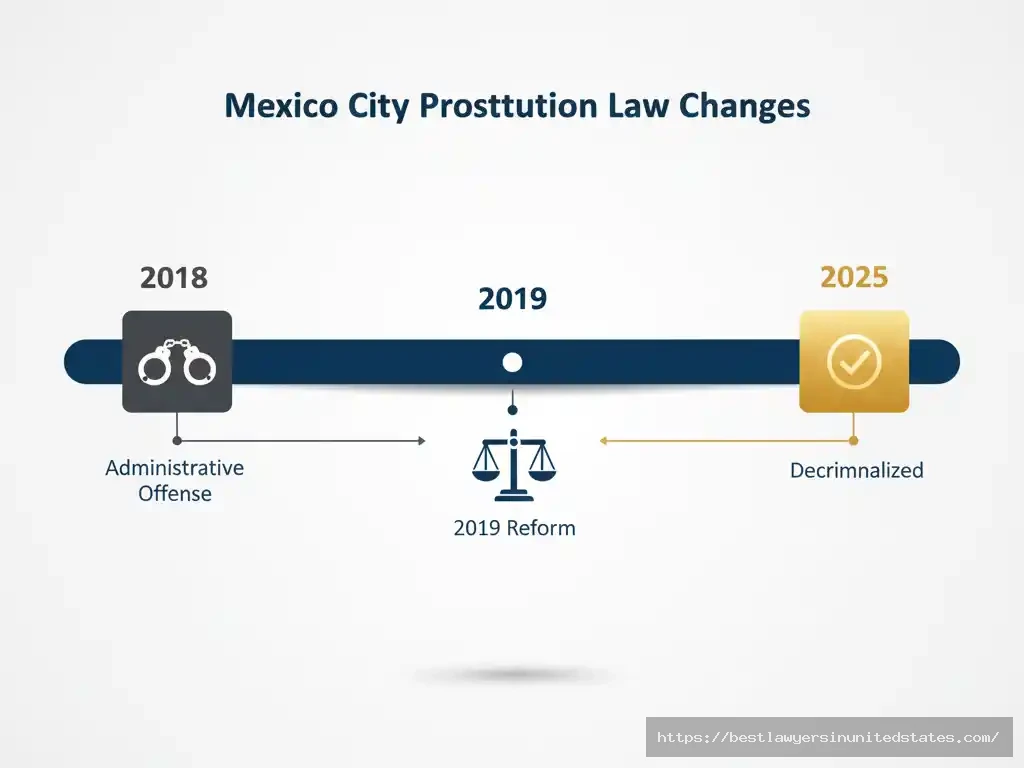
What changed in practice? Sex workers in CDMX no longer need to register or obtain health cards to work legally. They can operate anywhere except near schools, churches, or family areas. The police can’t demand bribes for “protection” using administrative violations as leverage.
Local advocacy group Brigada Callejera reports a 60% reduction in police harassment cases since full implementation. Workers now file labor complaints and access social services without fear of arrest.
Other States Following Suit
Several states are watching Mexico City’s experiment closely:
Oaxaca introduced similar reforms in late 2023, though implementation remains inconsistent outside the capital city.
Jalisco (including Guadalajara) began reviewing its regulations in 2024, with worker rights groups pushing for decriminalization.
Coahuila surprised everyone by quietly removing administrative penalties in border cities, though they maintained the health card system.
Baja California Sur (Los Cabos) is debating reforms focused on tourist areas, balancing worker rights with tourism concerns.
Complete State-by-State Legal Guide
Understanding Mexico’s 32 different regulatory frameworks requires breaking them into manageable categories. Here’s the current status as of 2025:
Legal Status by State (Mobile-Friendly Table)
| State | Status | Health Card Required | Zones |
|---|---|---|---|
| Mexico City | Decriminalized | No | No zones |
| Baja California | Regulated | Yes | Designated zones |
| Jalisco | Regulated | Yes | Tolerance zones |
| Nuevo León | Regulated | Yes | Specific areas |
| Chiapas | Regulated | Yes | Municipal zones |
| Oaxaca | Partially decriminalized | Varies | Some zones |
| Coahuila | Regulated | Yes | Border cities only |
| Quintana Roo | Restricted | No | Illegal outside clubs |
| Guanajuato | Prohibited | N/A | None |
| Puebla | Prohibited | N/A | None |
Northern Border States
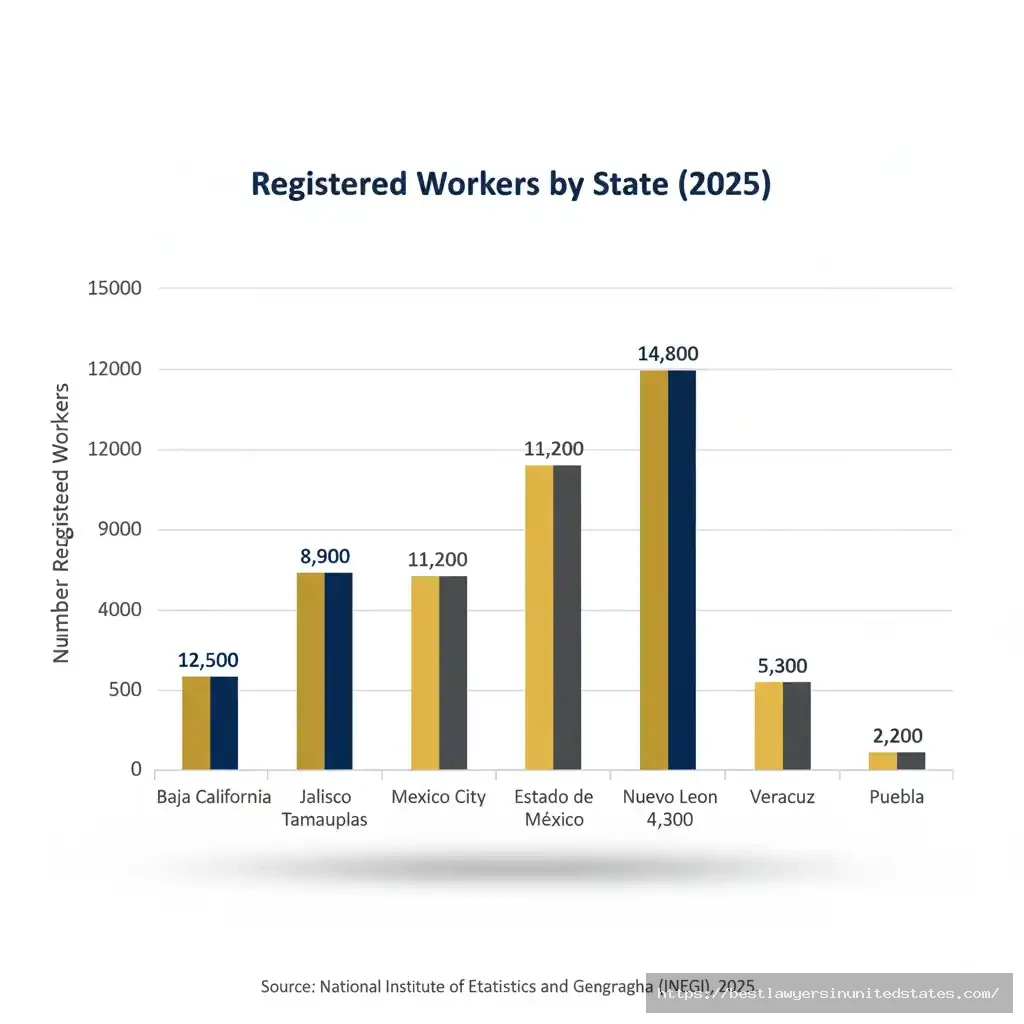
The border states developed their regulations with cross-border tourism in mind. Tijuana leads the pack with its famous Zona Norte, where hundreds of registered workers operate legally.
Tijuana’s system requires workers to obtain a health card (tarjeta sanitaria) through weekly STI testing at designated clinics. The card costs about 500 pesos monthly and must be displayed on request. Workers caught without cards face fines up to 3,000 pesos.
Ciudad Juárez follows a similar model but restricts operations to specific bars and clubs rather than street zones. The city issues approximately 2,000 health cards annually.
Mexicali maintains smaller tolerance zones near the border crossing, primarily serving local clientele rather than tourists.
Tourist Destination States
Resort areas handle sex work differently, often prioritizing tourist comfort over worker rights:
Cancun and Playa del Carmen technically prohibit street prostitution but tolerate escort services and massage parlors. High-end hotels often turn a blind eye to discrete escort visits.
Puerto Vallarta operates a hybrid system – no official zones, but certain areas like the Romantic Zone have unofficial tolerance after midnight.
Los Cabos recently shifted from prohibition to regulated tolerance in designated adult entertainment districts, responding to tourism industry pressure.
Central Mexico
Interior states show the most variation in enforcement:
Guadalajara maintains traditional tolerance zones in specific neighborhoods, requiring health cards and regular testing. The city’s Zone of Tolerance near the old bus station operates 24/7.
Puebla and Guanajuato maintain complete prohibition, with penalties including jail time up to 36 hours and fines reaching 5,000 pesos.
Querétaro allows municipal governments to decide individually, creating confusion as regulations change between neighboring towns.
Understanding Mexico’s Tolerance Zones
Tolerance zones represent Mexico’s attempt to balance public morality with practical regulation. But what exactly are they?
What Are Zonas de Tolerancia?
Zonas de tolerancia are designated areas where sex work operates legally under specific regulations. Think of them as red-light districts with government oversight.
These zones typically feature:
- Defined geographical boundaries
- Regular police patrols (for security, not arrests)
- Health inspection offices
- Bars, hotels, and strip clubs
- Street vendors and taco stands
- ATMs and money exchange services
The concept dates back to the 1920s when Mexico adopted the French regulatory model. Cities argued that concentrating sex work in specific areas protected “decent” neighborhoods while allowing oversight of public health.
How They Work
Each zone operates like a small ecosystem. Workers must register with municipal authorities, providing identification and proof of age. They receive a credential that doubles as a work permit and health record.
The registration process typically involves:
- Initial health screening at designated clinics
- Photo ID creation with municipal authorities
- Payment of registration fees (200-500 pesos)
- Mandatory weekly or bi-weekly health checks
- Renewal every 3-6 months
I’ve watched the morning routine in Tijuana’s Zona Norte – workers line up at health clinics for rapid HIV and syphilis tests. Results come within hours. Those who test positive lose their cards until completing treatment.
Major City Locations
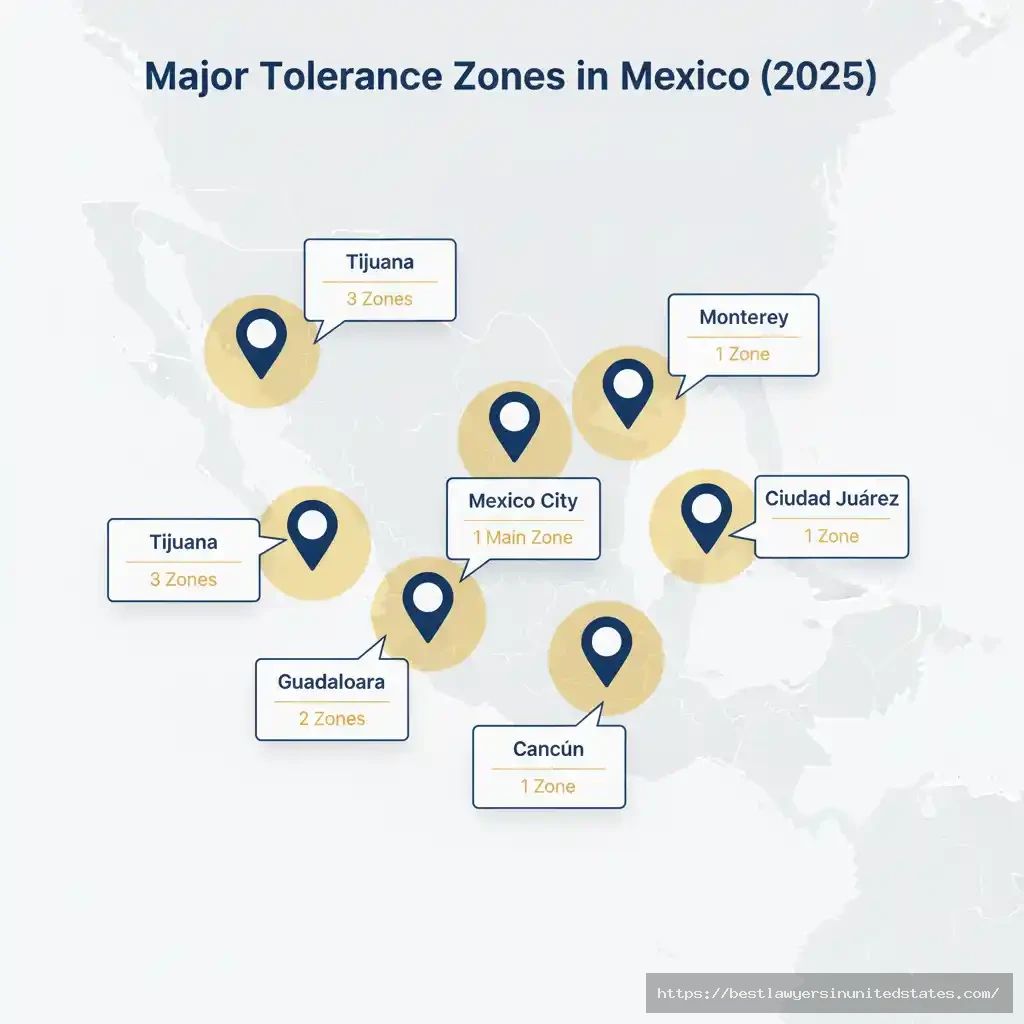
Tijuana – Zona Norte: The most famous tolerance zone stretches along Calle Coahuila between Avenida Revolución and Constitution. Over 15,000 registered workers operate here.
Nuevo Laredo – “Boys Town”: Located outside the city center, this walled compound includes bars, small hotels, and medical facilities.
Mexico City – La Merced: Though officially no longer a tolerance zone after decriminalization, this neighborhood remains the historical center of sex work.
Ciudad Juárez – Mariscal District: A collection of bars and clubs rather than street zones, located near the international bridge.
Health Regulations and Requirements
Mexico’s health requirements for sex workers vary dramatically by location, but certain patterns emerge across regulated zones.
Mandatory Health Cards (Tarjetas Sanitarias)
The tarjeta sanitaria serves as both a health certificate and work permit in regulated areas. Each card includes:
- Worker’s photo and registration number
- Current health status
- Testing dates and results
- Expiration date
- Official municipal seal
Cards must be carried during work hours and presented to authorities on request. Working without a valid card results in immediate removal from the zone and potential fines.
Testing Requirements by Location
| City | HIV Test | Syphilis | Other STIs | Frequency |
|---|---|---|---|---|
| Tijuana | Required | Required | VDRL test | Weekly |
| Juárez | Required | Required | Gonorrhea | Bi-weekly |
| Mexicali | Required | Required | On request | Weekly |
| Nuevo Laredo | Required | Required | Hepatitis B | Monthly |
| Mexico City | Voluntary | Voluntary | Voluntary | No requirement |
Testing costs range from free in some municipalities to 300 pesos per session in others. Many zones have on-site clinics offering reduced rates.
Registration Process
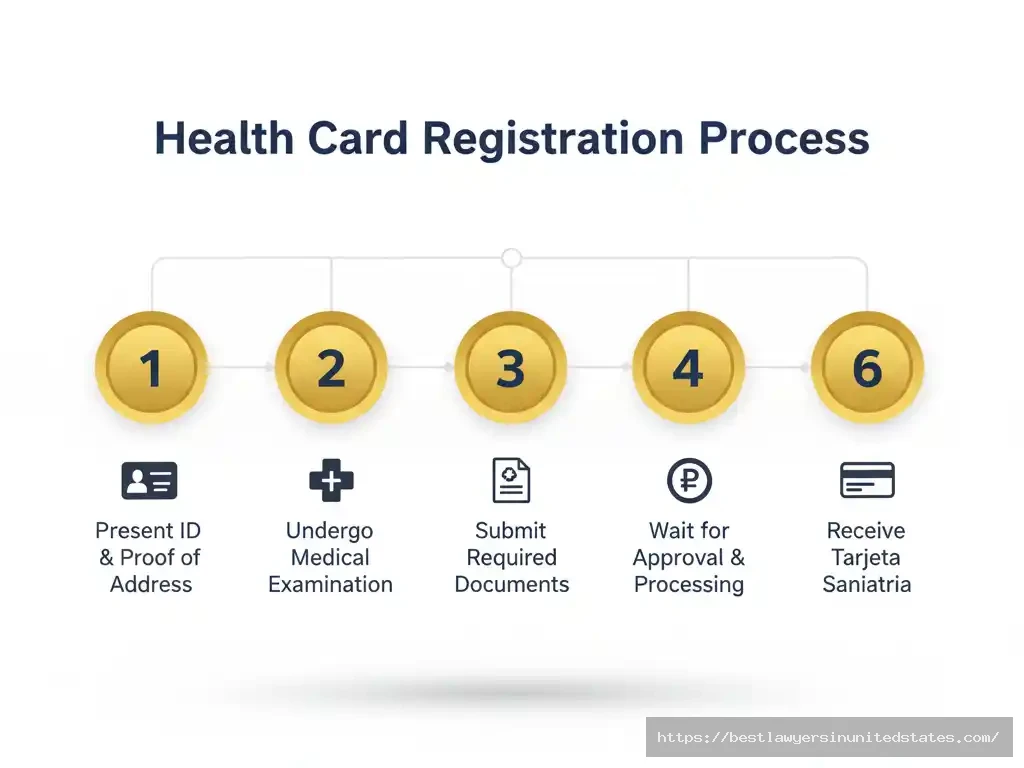
Getting registered follows a similar pattern across most regulated cities:
Step 1: Visit the municipal health office with government-issued ID and proof of age (must be 18+).
Step 2: Complete initial health screening including blood tests and physical examination.
Step 3: Attend mandatory health education session covering STI prevention and legal rights.
Step 4: Pay registration fees (typically 200-500 pesos).
Step 5: Receive temporary permit while waiting for test results (usually 24-48 hours).
Step 6: Return for permanent card if tests are clear.
The entire process takes 3-5 business days in most cities. Some workers complain about the cost and time commitment, but many appreciate the health monitoring and legal protection the system provides.
Major Cities: Specific Regulations
Each major city has developed its own approach to sex work regulation, shaped by local politics, tourism, and cultural factors.
Mexico City (CDMX)
The capital’s 2019 decriminalization makes it unique in Mexico. Sex workers here enjoy freedoms unavailable elsewhere:
- No registration or health cards required
- Can work anywhere except near schools/churches
- Police cannot arrest for solicitation
- Access to labor rights and social services
The change hasn’t eliminated all problems. Workers still face violence from clients and discrimination from businesses. But they can now report crimes without fear of arrest themselves.
Popular working areas include La Merced neighborhood, Sullivan Park, and certain metro stations after dark. High-end escort services operate openly through websites and apps.
Tijuana and the Galactic Zone
Tijuana’s approach combines regulation with tourism pragmatism. This contrasts sharply with Las Vegas, where despite its reputation, prostitution remains illegal within city limits.
Zona Norte (Downtown): The largest zone, catering primarily to American tourists. Features Hong Kong Gentlemen’s Club and hundreds of small bars.
Zona Coahuila: A smaller area focusing on local clientele with lower prices.
El Galáctico: An experimental zone opened in 2022, featuring modern facilities and enhanced security. Workers here pay higher fees but report better conditions.
Tijuana issues over 15,000 health cards annually, generating millions in revenue through fees and taxes on establishments.
Guadalajara
Mexico’s second-largest city maintains a traditional regulatory approach with designated zones and strict health requirements.
The main tolerance zone sits near the old bus station, featuring aging hotels and bars. Workers must register with both municipal and state authorities, navigating bureaucracy that many find frustrating.
Recent reforms allow escort services to advertise online if they maintain business licenses. This created a two-tier system – street workers in zones and higher-end escorts working from apartments.
Cancun and Playa del Carmen
These tourist meccas officially prohibit street prostitution but reality proves more complex.
Authorities tolerate discrete escort services catering to tourists. Major resorts rarely question guests bringing visitors to rooms. Massage parlors operate in grey areas, some offering legitimate services, others not.
Street prostitution faces immediate arrest and deportation for foreign nationals. Mexican citizens receive fines and temporary detention.
Puerto Vallarta
This Pacific resort town takes a hands-off approach. While no official zones exist, certain areas have unofficial tolerance:
- The Romantic Zone after midnight
- Certain bars along the Malecón
- Discrete escort services via online platforms
Police generally ignore sex work unless complaints arise or workers appear underage.
Monterrey
As Mexico’s industrial capital, Monterrey maintains strict regulations with limited tolerance zones in working-class neighborhoods.
The city requires health cards and restricts operations to specific bars and hotels. Street prostitution faces heavy penalties including jail time.
What Tourists Need to Know
Whether you’re visiting Mexico for business or pleasure, understanding the reality of sex work laws protects everyone involved.
Identifying Legal Establishments
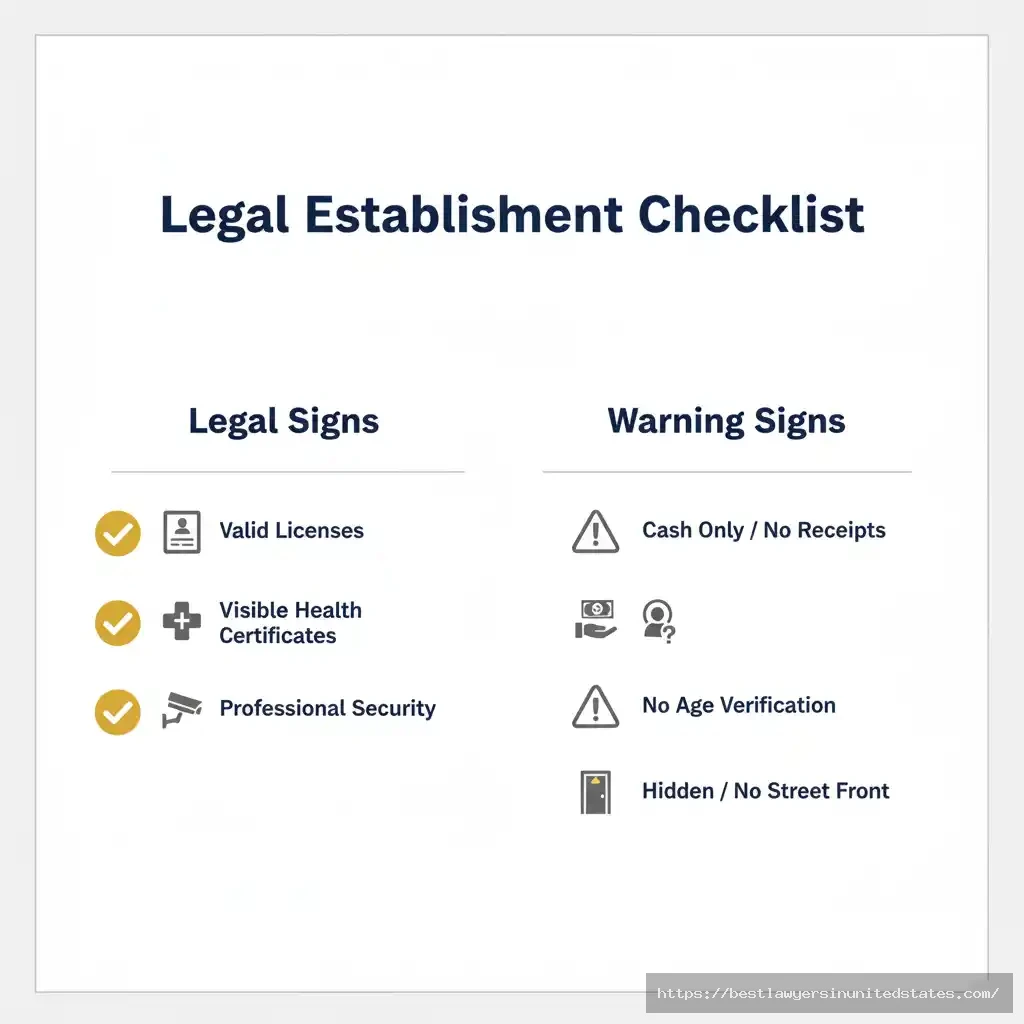
Legal venues typically display:
- Municipal operating licenses posted visibly
- Health department certificates
- Workers wearing or displaying health cards
- Official zone markers or signs
- Uniformed security (not hiding from police)
Red flags indicating illegal operations:
- Hidden locations requiring passwords
- No visible licenses or permits
- Workers who appear underage
- Requests to pay police or security separately
- Extreme secrecy about location or services
Safety Considerations
Smart safety practices protect both clients and workers:
Always verify age. Mexico strictly enforces laws against minors in sex work. Penalties include years in prison and permanent immigration bans.
Respect zone boundaries. Soliciting outside designated areas risks arrest for both parties.
Never photograph workers without explicit consent. Many face stigma and privacy concerns.
Carry copies, not originals of identification. Some establishments hold IDs as “security.”
Use ATMs in public areas rather than inside establishments to avoid skimming or robbery.
Common Scams to Avoid
Tourist-targeting scams proliferate in border cities and resort areas:
The “police raid” scam: Fake police demanding bribes to avoid arrest. Real police in tolerance zones don’t arrest registered workers or clients in legal establishments.
Bait and switch: Online photos showing different workers than those who arrive.
Hidden fees: Drinks priced at 10x normal rates or surprise “service charges.”
Taxi collusion: Drivers receiving kickbacks for delivering tourists to specific venues, regardless of quality or legality.
The “girlfriend experience” con: Workers developing fake romantic relationships to extract money over time.
Cultural Respect and Etiquette
Mexico’s relationship with sex work reflects complex cultural values. Showing respect goes beyond following laws:
Language matters. Use “trabajadora sexual” (sex worker) rather than degrading terms.
Negotiate clearly before services begin. Misunderstandings create conflicts.
Tip appropriately. Workers often rely on tips beyond base prices.
Respect boundaries. No means no, regardless of payment.
Keep voices down in public areas. Discretion shows respect for all residents.
Sex Worker Rights in Mexico
Despite legal complexities, Mexican sex workers increasingly assert their labor and human rights.
Labor Law Protections
The Mexican Constitution guarantees freedom of occupation in Article 5, which courts have interpreted to include sex work. This provides certain protections:
Workers can form unions and associations. Groups like Brigada Callejera and Aproase have won recognition as legitimate labor organizations.
They’re entitled to social security enrollment through voluntary programs, though few municipalities facilitate this.
Discrimination based on occupation violates federal anti-discrimination laws, though enforcement remains weak.
Advocacy Organizations
Several groups champion sex worker rights across Mexico:
Brigada Callejera de Apoyo a la Mujer: Mexico City-based group providing health services, legal support, and advocacy since 1989.
Red Mexicana de Trabajo Sexual: National network coordinating local organizations and policy advocacy.
Aproase: Focused on health rights and HIV prevention among sex workers.
Centro de Apoyo a las Identidades Trans: Supporting transgender sex workers facing double discrimination.
These organizations provide free legal advice, health services, and safety resources. They’ve won several landmark cases establishing worker rights.
Recent Legal Victories
Mexican courts increasingly recognize sex worker rights:
2023: Supreme Court ruled that denying services based on occupation constitutes illegal discrimination.
2024: Labor court in Jalisco recognized sex worker union, granting collective bargaining rights.
2025: Mexico City approved budget allocation for sex worker health and safety programs.
2025: Baja California court ordered police training on sex worker rights and dignity.
Mexico vs Other Countries
Understanding Mexico’s approach requires international context. How does it compare to neighboring countries and global practices?
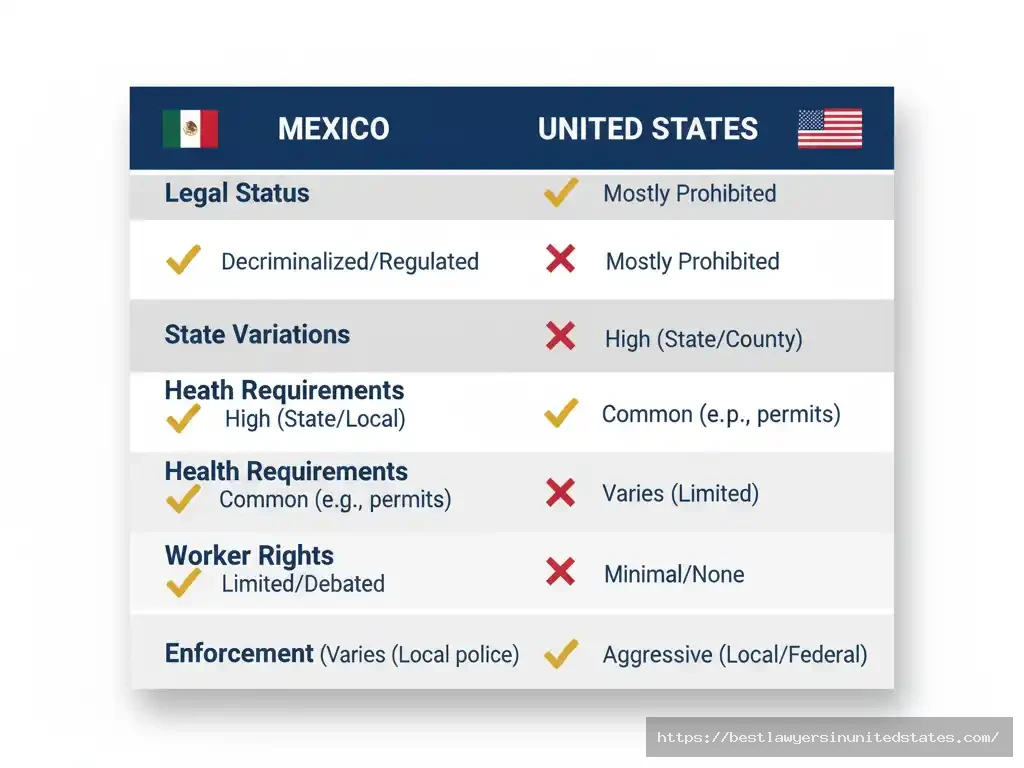
Comparison with US Laws
| Aspect | Mexico | United States |
|---|---|---|
| Federal Law | Legal | Illegal (except Nevada) |
| State Variation | Yes – 32 different frameworks | Limited – Nevada only |
| Health Requirements | Common in regulated areas | Mandatory in Nevada |
| Worker Rights | Increasing recognition | Limited to Nevada |
| Trafficking Laws | Strict but sometimes misapplied | Strict enforcement |
The contrast is stark. The proximity to California, where prostitution is completely illegal, drives significant cross-border traffic. While Americans cross into Tijuana for legal services, Mexican sex workers cannot work legally in 49 US states.
Latin America Overview
Mexico sits middle-ground among Latin American approaches:
More liberal than: Guatemala, Haiti, Nicaragua (full criminalization)
Similar to: Colombia, Peru, Dominican Republic (legal but regulated)
More restrictive than: Uruguay, parts of Argentina (full decriminalization)
Brazil’s approach most closely resembles Mexico’s – legal at federal level with municipal regulation.
Global Context
Worldwide, Mexico’s regulatory model appears increasingly common:
Similar models: Germany, Netherlands, Austria (legalized and regulated). The European approach to prostitution laws varies significantly by country, offering multiple regulatory models.
Different approaches:
- Sweden, Norway, Canada (Nordic model – criminalizing clients)
- New Zealand (full decriminalization)
- Thailand, Japan (complex grey areas)
Mexico’s challenge remains consistent enforcement and worker protection within its chosen framework.
Frequently Asked Questions
Are prostitutes illegal in Mexico? No, individual sex workers aren’t illegal anywhere in Mexico. The act of selling sexual services is legal nationwide, though specific regulations vary by state and municipality.
Are there red light districts in Mexico? Yes, many cities maintain designated tolerance zones or red light districts. The most famous include Tijuana’s Zona Norte, Nuevo Laredo’s Boys Town, and historically La Merced in Mexico City.
Do prostitutes in Mexico get tested? In regulated zones, workers must undergo regular STI testing to maintain health cards. Testing frequency ranges from weekly in Tijuana to monthly in other cities. Mexico City no longer requires mandatory testing after decriminalization.
What is the pink zone in Mexico? “Zona Rosa” (Pink Zone) typically refers to LGBT-friendly entertainment districts, not specifically sex work areas. Mexico City’s Zona Rosa is a shopping and nightlife district. Don’t confuse it with tolerance zones.
Does Mexico have love hotels? Yes, “moteles de paso” or “auto hotels” operate throughout Mexico. These short-stay hotels offer privacy for couples and aren’t exclusively linked to sex work. They’re legal and common in all major cities.
Where is the red zone in Mexico City? Mexico City no longer has official red zones after 2019’s decriminalization. However, La Merced neighborhood remains a traditional area for sex work, along with certain areas of Sullivan Park and Plaza Garibaldi.
What’s legal in the US but illegal in Mexico? Regarding sex work, very little. Ironically, many Americans travel to Mexico specifically because sex work is legal there but illegal in most US states.
What is Tijuana famous for? Among other things, Tijuana is known for its Zona Norte tolerance zone, one of the largest legal red-light districts in North America, attracting thousands of American visitors monthly.
Which country is best to visit for legal prostitution? This depends on your priorities. For full legalization with worker rights, consider New Zealand or parts of Australia. For regulated environments, Germany and Netherlands offer established systems. Mexico provides accessibility for North Americans.
Where is prostitution legal in Mexico City? Following 2019’s decriminalization, sex work is legal throughout Mexico City except near schools, churches, and designated family areas. No zones or registration required.
Is prostitution legal in Puerto Rico? No, prostitution is illegal in Puerto Rico as it follows US federal law. Despite being Caribbean, Puerto Rico has different laws than independent Caribbean nations.
Is prostitution legal in Honduras? No, Honduras criminalizes both buying and selling sexual services, with penalties including jail time.
Is prostitution legal in the Bahamas? No, prostitution is illegal throughout the Bahamas, though enforcement varies by island.
Legal Resources and Contacts
For accurate, current information about sex work laws in Mexico:
Government Resources:
- Secretaría de Salud (Health Ministry): Official health requirements
- CONAPRED: National anti-discrimination council
- State government websites: Local regulations
Advocacy Organizations:
- Brigada Callejera: +52 55 5556 7794
- Red Mexicana de Trabajo Sexual: Website contact forms
- NSWP Global: International resources and reports
Legal Support:
- Mexican Bar Association: Referrals for legal representation
- Human Rights Commissions: File discrimination complaints
- Labor Ministry: Worker rights information
Health Services:
- CENSIDA: National HIV/AIDS prevention center
- IMSS: Social security health services
- Local health departments: Testing and treatment
Remember, laws change frequently. Always verify current regulations before traveling or making decisions based on this information. When in doubt, consult local legal counsel familiar with current enforcement practices.
The complexity of Mexico’s sex work laws reflects broader social tensions between traditional values, worker rights, and practical governance. As Mexico continues evolving its approach, staying informed protects everyone involved in this deeply human industry.
Related Articles:
Is Prostitution Legal in Japan? A Legal Analysis (2025)
Is Prostitution Legal in Amsterdam? Complete 2025 Legal Guide
