
Last Updated: November 2025
Quick Answer
Yes, prostitution is legal in Colombia when conducted by adults within designated tolerance zones. However, the legal framework is nuanced: while selling sex is permitted in regulated areas, activities like pimping (encouraging prostitution), operating brothels, and any involvement with minors remain serious criminal offenses under Articles 213-214 of the Colombian Penal Code. Recent enforcement trends in 2024-2025 show major cities like Medellin tightening restrictions and cracking down on sex tourism.
Legal Status of Prostitution in Colombia
Colombia operates under a tolerance zone model—a harm-reduction approach that neither fully legalizes nor criminalizes adult sex work. This system differs significantly from both Nevada’s licensed brothel framework and California’s complete prohibition
The Tolerance Zone System Explained
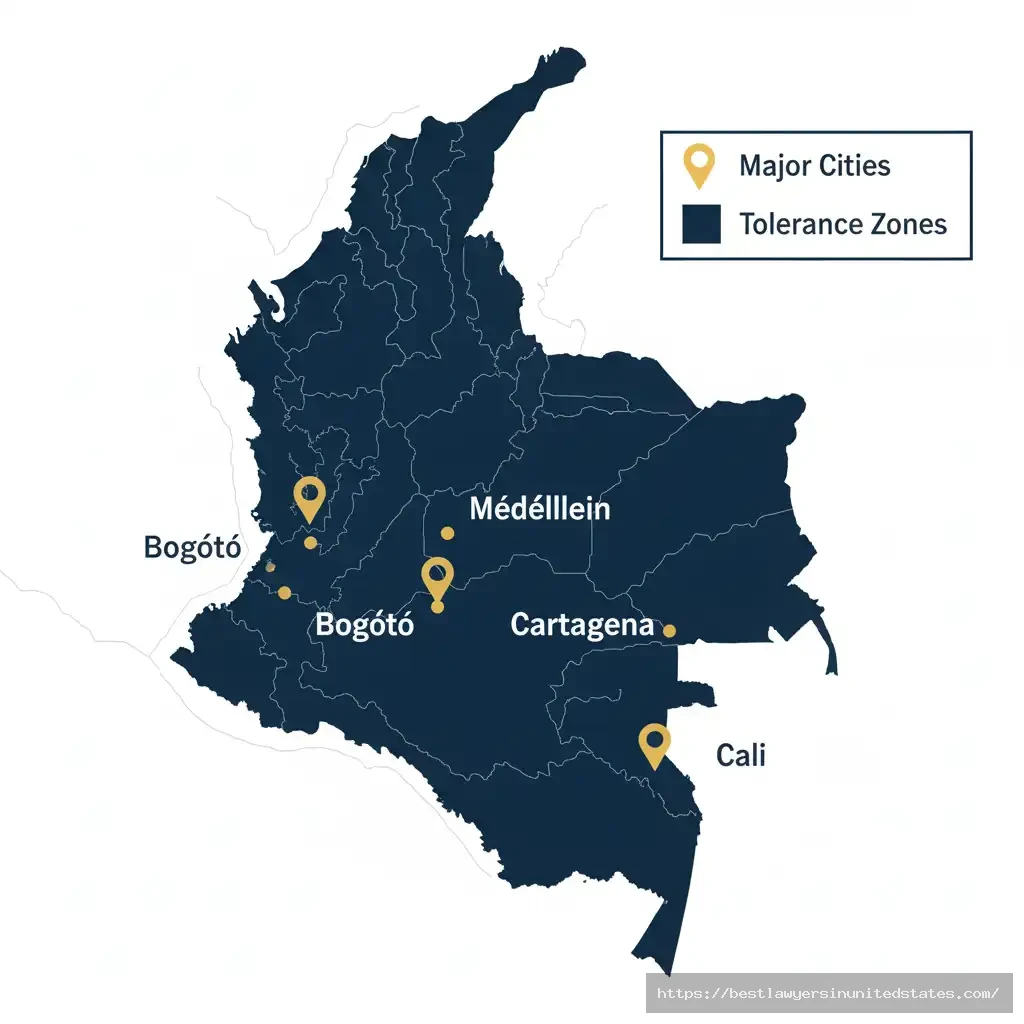
Tolerance zones (zonas de tolerancia) are municipal-designated areas where adult sex work is permitted. These zones function as compromise territories where sex workers can operate without criminal prosecution, though with limited legal protections.
How tolerance zones work:
- Municipal governments designate specific neighborhoods or districts
- Sex work outside these zones can result in fines or administrative penalties
- Zones can be expanded, reduced, or eliminated by local ordinance
- No formal licensing or registration is required for sex workers
- Third-party management (pimping, brothel operation) remains illegal even within zones
Critical distinction: Colombia hasn’t “legalized” prostitution in the way Nevada licenses brothels. Instead, authorities simply don’t enforce prostitution laws within tolerance zones—this is decriminalization through non-enforcement, not legal sanction.
What Colombian Law Says (Articles 213, 213-A, 214)
The Colombian Penal Code criminalizes several prostitution-related activities while remaining silent on the act of selling sex itself:
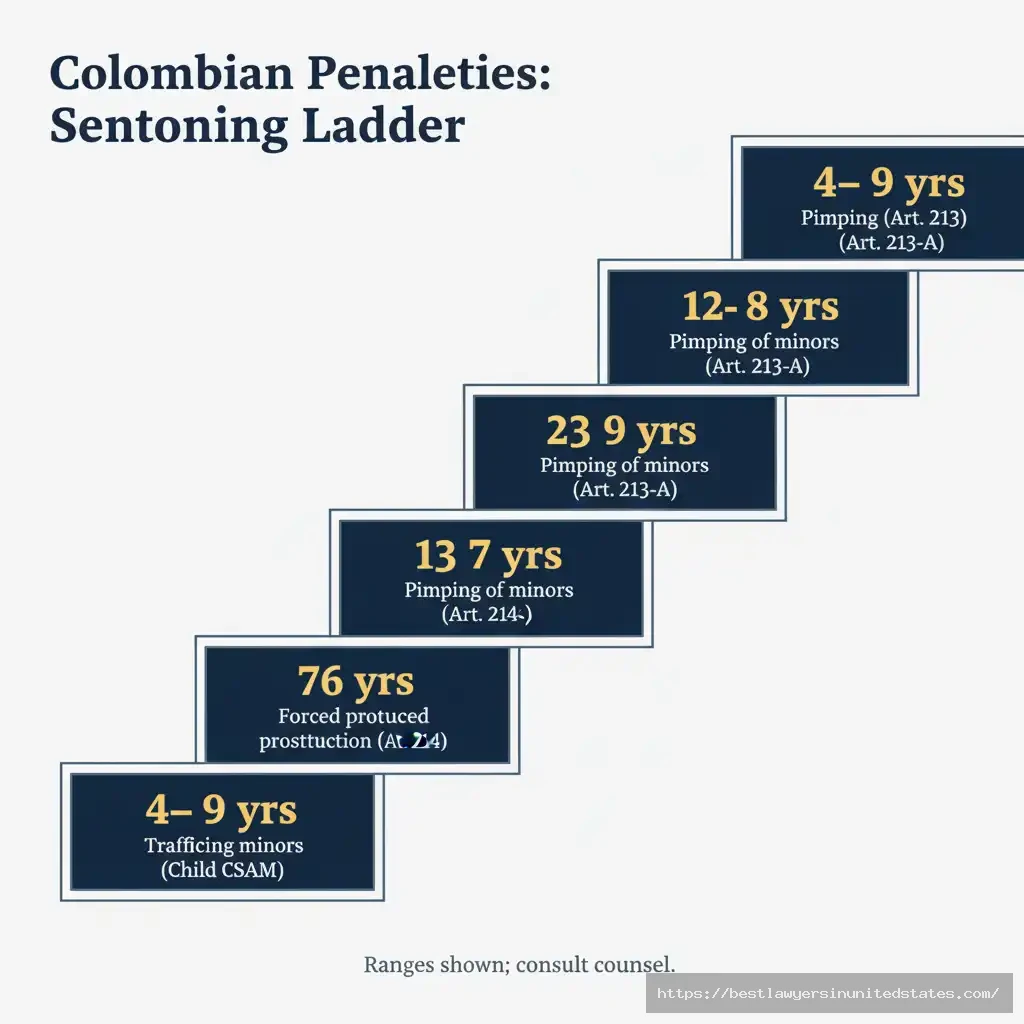
Article 213 – Encouraging Prostitution (Estímulo a la prostitución): Punishes anyone who promotes, facilitates, or organizes prostitution of another person, with penalties of 4-9 years imprisonment. This broadly-worded statute can be used to prosecute pimping, brothel management, or even consensual third-party arrangements.
Article 213-A – Pimping of Minors: Establishes enhanced penalties (10-20 years) for exploiting minors through prostitution, regardless of location or circumstances.
Article 214 – Forced Prostitution: Criminalizes coercing anyone into sex work through violence, threats, or abuse of authority, with sentences of 13-23 years. This statute addresses human trafficking for sexual exploitation.
Additional provisions: Colombian law also criminalizes “facilitating sex tourism” involving minors under separate statutes addressing child exploitation and international sex trafficking.
Legal vs Decriminalized: What’s the Difference?
This distinction confuses many visitors accustomed to binary legal frameworks:
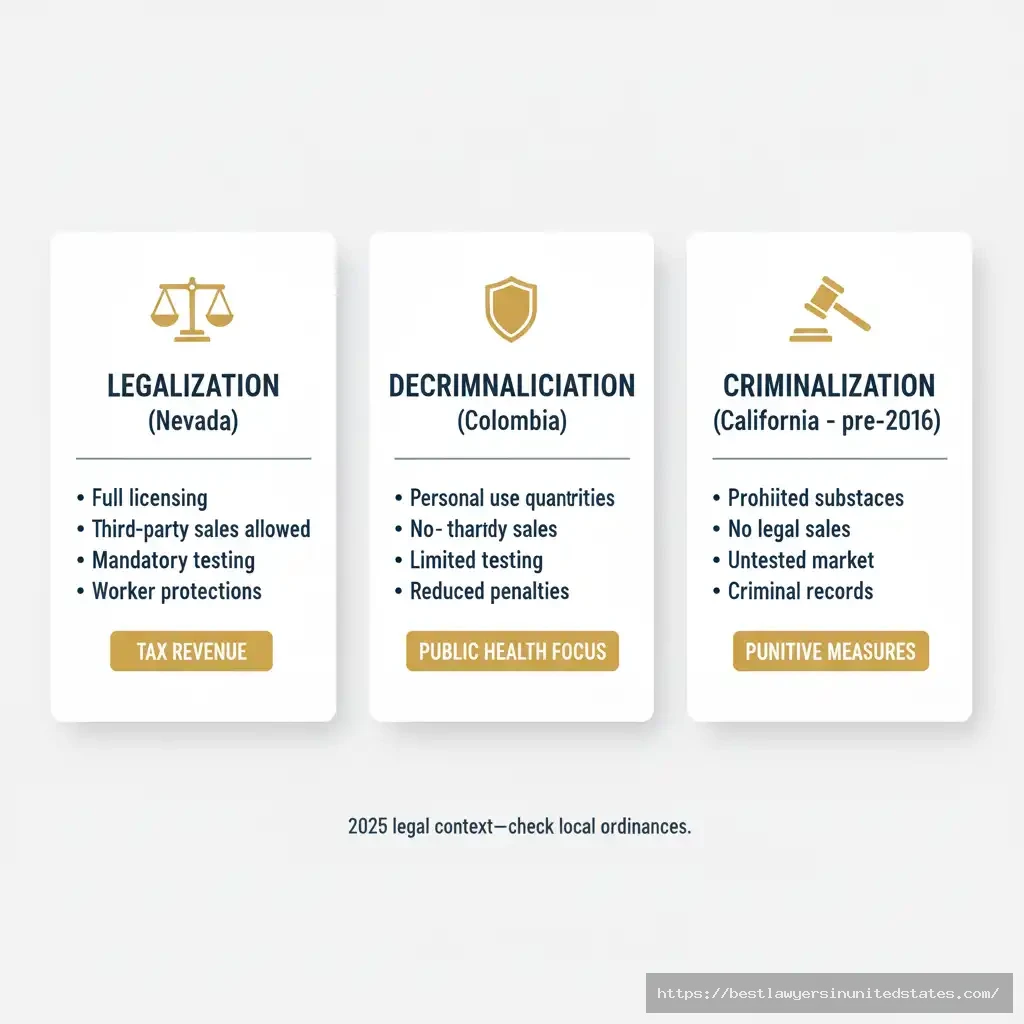
| Legalization (Nevada model) | Decriminalization (Colombia model) | Criminalization (California model) |
|---|---|---|
| State licenses and regulates brothels | Authorities don’t prosecute in tolerance zones | All prostitution is illegal statewide |
| Workers must register and undergo health checks | No registration or mandatory testing required | Both buyers and sellers face arrest |
| Third parties (managers) can legally operate | Third parties remain criminalized | Heavy penalties for all participants |
| Explicit legal protections for workers | Limited legal protections; social stigma persists | No legal protections; criminal records |
Colombia’s approach aims to reduce harm to sex workers while maintaining legal tools to combat trafficking and exploitation. However, this creates gray areas where consensual arrangements can still face prosecution under “encouraging prostitution” statutes.
Prostitution Laws by City
Legal status and enforcement vary significantly across Colombia’s major tourist destinations. What’s tolerated in one city may result in fines or arrest in another.
Is Prostitution Legal in Medellin?

Current Status (2025): Heavily restricted following 2024 municipal crackdowns.
Medellin previously operated multiple tolerance zones in areas like La Candelaria and downtown districts. However, the city’s rapid gentrification and international attention to sex tourism prompted major policy changes.
2024 Neighborhood Bans (El Poblado, Laureles)
In late 2023-2024, Medellin’s municipal government issued executive orders prohibiting all prostitution activities in upscale neighborhoods popular with foreign tourists:
- El Poblado: Complete ban on sex work in this expat-heavy district
- Laureles: Zero tolerance policy enacted after resident complaints
- Parque Lleras area: Heavy police presence and hotel compliance checks
- Manila and Provenza: Short-term rental platforms now screen for sex work
Enforcement mechanisms:
- Hotels face license suspension for knowingly hosting sex work
- Police conduct regular ID checks of foreign men with local women
- Municipal codes now authorize fines up to 15 minimum wages (approximately $1,500 USD)
The remaining tolerance zones exist primarily in lower-income districts far from tourist centers, effectively pushing sex work underground in areas where visitors concentrate.
Is Prostitution Legal in Bogota?
Current Status: Legal within designated tolerance zones.
Bogota maintains Colombia’s most established tolerance zone system, with several recognized districts:
Primary tolerance zones:
- Zona Rosa (Chapinero): Historically the most visible red-light district
- Santa Fe district: Long-established sex work area with street-level activity
- Las Cruces: Lower-income zone with minimal tourist presence
Bogota’s approach remains relatively liberal compared to Medellin, though recent mayoral administrations have discussed restricting zones near residential areas and schools.
Important note: Even within tolerance zones, hotels must verify ages and can report suspected trafficking. Bogota police have increased patrols in Zona Rosa following complaints about underage exploitation.
Is Prostitution Legal in Cartagena?
Current Status: Tolerated in specific areas, heavily monitored.
Cartagena presents unique challenges as a UNESCO World Heritage site and major cruise destination. The historic walled city (Ciudad Amurallada) maintains strict prohibitions on visible sex work to preserve tourism appeal.
Where tolerance zones exist:
- Getsemani neighborhood: Limited tolerance outside the tourist corridor
- Bocagrande: Some indoor venues operate discreetly
- Historic center: Zero tolerance; aggressive police enforcement
Cartagena authorities prioritize protecting the city’s family-friendly tourism image, leading to frequent police sweeps and deportations of foreign nationals suspected of sex tourism.
Is Prostitution Legal in Santa Marta?
Current Status: Small tolerance zones, minimal infrastructure.
Santa Marta has fewer designated zones and less organized sex work compared to larger cities. Most activity occurs informally through bars and clubs rather than structured tolerance zones.
Key factors:
- Smaller city with limited nightlife infrastructure
- More conservative social attitudes than Medellin or Bogota
- Higher risk of encountering unregulated, potentially dangerous situations
- Increased police attention to foreign tourists in recent years
Legal Risks for Tourists
Foreign visitors face escalating legal and safety risks that extend beyond Colombia’s borders. Recent policy changes have dramatically increased enforcement against sex tourism.
What Activities Are Illegal?
Even where prostitution is tolerated, these activities remain criminal offenses:
Always illegal:
- Any sexual contact with anyone under 18 years old (penalties: 10-20 years)
- Paying or facilitating prostitution involving minors
- Operating or managing prostitution businesses (pimping)
- Forcing or coercing anyone into sex work
- Knowingly engaging with trafficking victims
- Photographing or recording sex workers without consent
- Possessing child sexual abuse material
Gray areas that risk prosecution:
- Renting apartments specifically for sex work (can be prosecuted as “facilitating”)
- Bringing sex workers across municipal boundaries
- Paying for hotel rooms for sex workers (potential “encouraging prostitution”)
- Group arrangements involving multiple participants
The 2024-2025 Crackdown on Sex Tourism
Colombian authorities have implemented aggressive new measures targeting foreign sex tourists:
Municipal initiatives:
- Medellin banned prostitution in upscale neighborhoods frequented by expats
- Hotel licensing requirements now mandate reporting suspicious activity
- Short-term rental platforms (Airbnb, Booking.com) must verify guest intentions
- Social media surveillance of accounts promoting sex tourism
Federal enforcement: Migration Colombia has established dedicated units focused on identifying and deporting sex tourists, particularly those with histories of offenses involving minors.
Airport Screenings and Angel Watch System
The U.S. Department of Homeland Security’s Angel Watch program notifies foreign countries when known sex offenders travel internationally. Colombia actively uses this system:
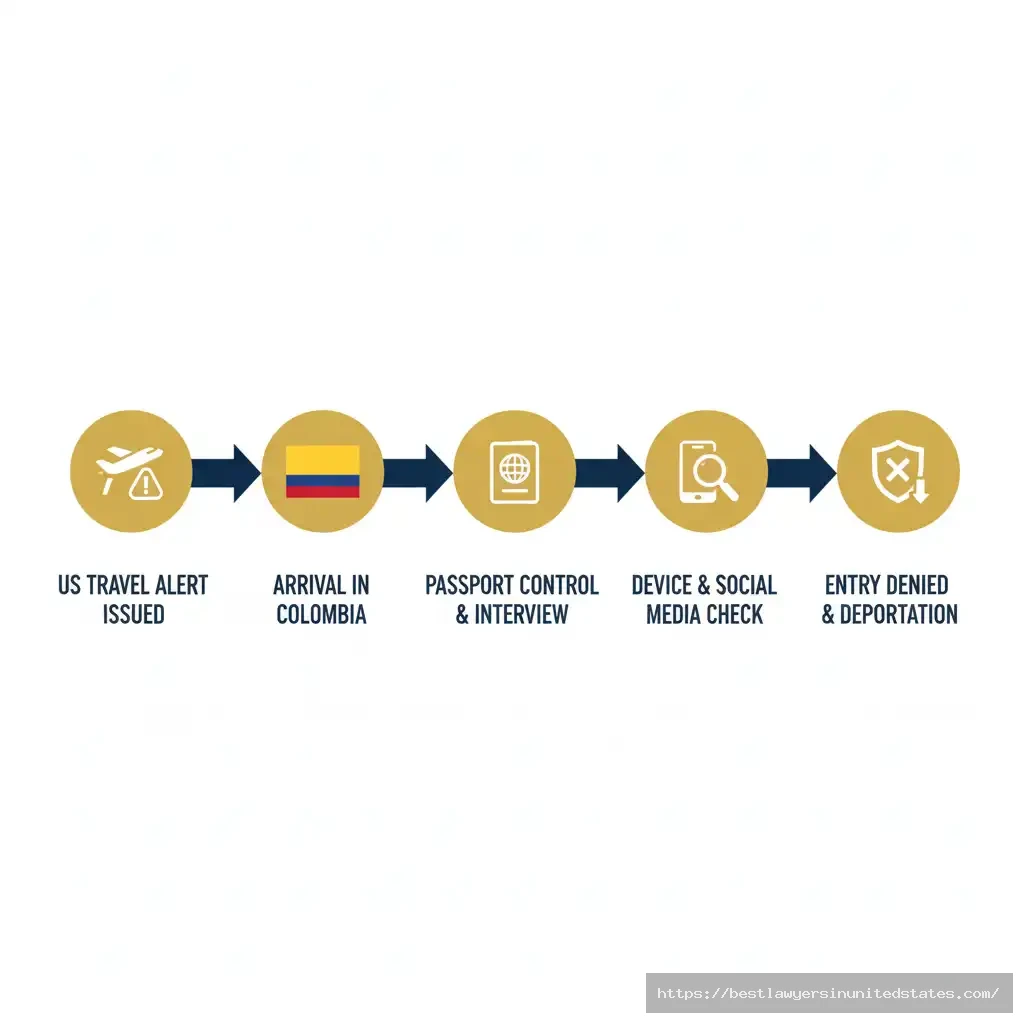
How it works:
- U.S. notifies Colombian authorities when registered sex offenders book travel
- Migration officers flag travelers at passport control
- Officers may search phones, laptops, and social media accounts
- Evidence of sex tourism intent can result in immediate deportation
- Denied entry creates permanent record affecting future Latin American travel
Recent reports indicate migration officers are expanding screening beyond registered offenders to include travelers whose social media, travel history, or documentation suggests sex tourism as primary purpose.
What officers look for:
- Flight bookings with no return ticket or vague itinerary
- Hotel reservations in known sex work areas
- Social media posts about nightlife or “dating” in Colombia
- Previous deportations from other countries
- Travel patterns consistent with sex tourism (repeated short trips)
Scopalamine Dangers and Safety Warnings
Colombia’s most serious threat to tourists isn’t legal—it’s scopolamine (burundanga), a drug that eliminates free will while maintaining consciousness.
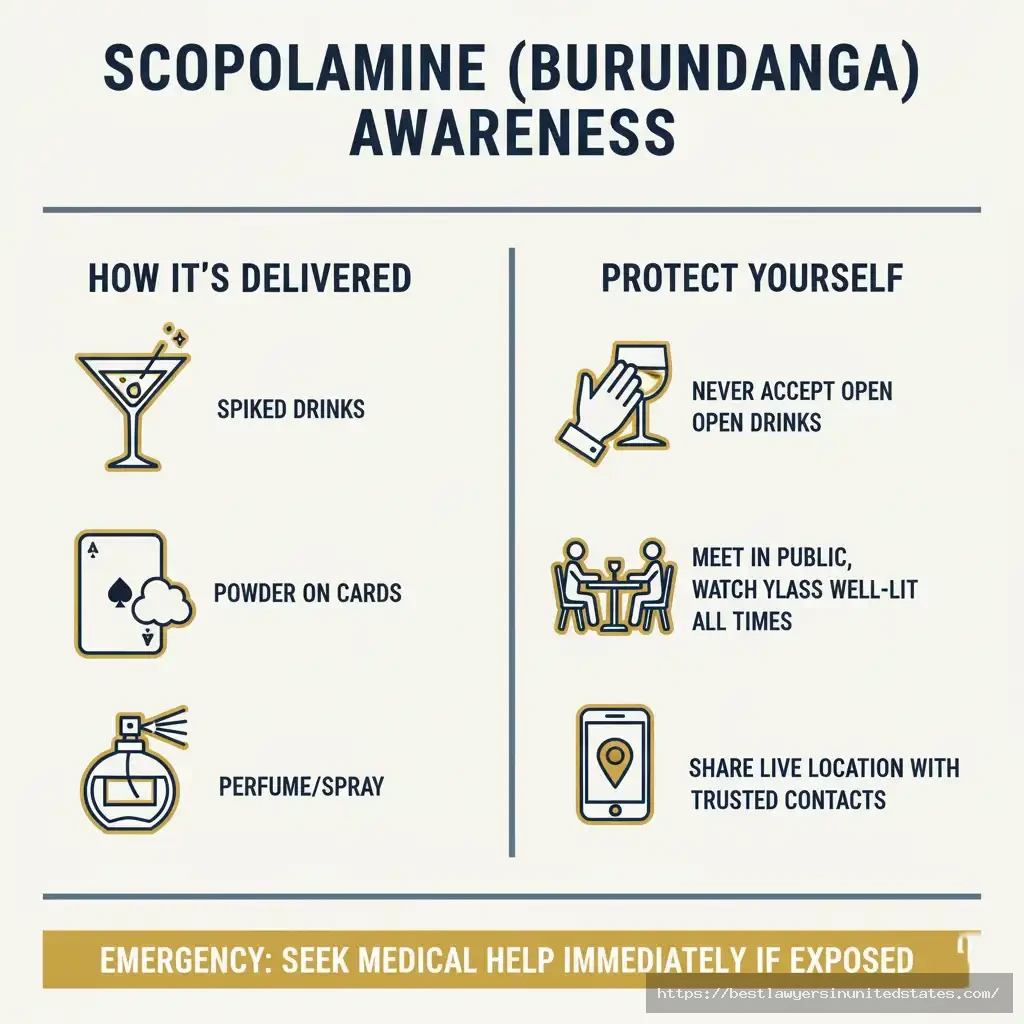
How scopolamine works:
- Derived from borrachero tree, odorless and tasteless
- Renders victims compliant to suggestions while appearing conscious
- Causes complete memory loss of events during intoxication
- Effects last 12-24 hours with no antidote
Common delivery methods:
- Drinks spiked at bars or nightclubs
- Business cards or flyers dusted with powder
- Perfume samples sprayed near victim’s face
- Food offered by seeming friendly strangers
Scopolamine incidents frequently involve: Victims withdrawing their entire bank accounts, giving away belongings, or being held captive for days while repeatedly accessing ATMs. Deaths occur from overdoses or when victims are abandoned in dangerous areas.
Protection strategies:
- Never accept drinks from strangers or leave drinks unattended
- Refuse business cards, flyers, or samples from strangers
- Meet in public venues, avoid private residences on first contact
- Tell trusted contacts your location before meeting anyone
- Use credit cards with fraud monitoring rather than carrying large cash amounts
Hotel Policies and Reporting Requirements
Colombian hotels face legal liability for facilitating prostitution or harboring minors. This creates compliance measures that affect all guests:

Standard hotel policies:
- Photocopy all guests’ identification documents (including visitors)
- Refuse entry to guests who appear intoxicated or underage
- Report suspected minors to authorities immediately
- Monitor for signs of human trafficking (e.g., one person controlling others’ documents)
- Share information with police when requested
What this means for tourists: Even legal adult encounters may trigger hotel reporting if staff suspect age misrepresentation, coercion, or other irregularities. Hotels in tourist areas now train staff to identify potential trafficking situations and report proactively to avoid license suspensions.
Serious Crimes: What’s Never Legal
Colombia enforces severe penalties for crimes that some tourists mistakenly believe fall into legal gray areas.
Child Prostitution (Severe Penalties)
Colombian law defines anyone under 18 as a minor, with no exceptions. Penalties for child sexual exploitation rank among Latin America’s harshest:
Criminal penalties:
- 10-20 years imprisonment for sexual contact with minors
- 13-23 years for child sex trafficking
- 15-25 years for producing child sexual abuse material
- No parole eligibility for crimes against children under 14
Enhanced penalties apply when:
- Victim is under 14 years old
- Offender is in position of trust (teacher, caregiver)
- Crime involves multiple victims
- Crime is committed by foreigner (seen as exploiting Colombian children)
Important: Colombian law doesn’t require proof of knowledge that victim was underage. “I thought she was 18” is not a defense. The burden of age verification rests entirely with the adult.
Sex Trafficking and Forced Prostitution
Colombia distinguishes between voluntary sex work and trafficking-based exploitation:
Legal definition of trafficking: Recruiting, transporting, harboring, or obtaining persons through force, fraud, or coercion for sexual exploitation. This includes:
- Using economic desperation to coerce participation
- Withholding documents or restricting movement
- Making false promises about working conditions
- Exploiting vulnerability (poverty, addiction, immigration status)
Penalties for trafficking:
- 13-23 years imprisonment for adult victims
- 15-30 years for minor victims
- Asset forfeiture of all property used in trafficking
- Lifetime sex offender registration
Even if a sex worker initially consented, participating in arrangements where someone else controls their earnings, movement, or working conditions can constitute trafficking under Colombian law.
International Prosecution of Sex Crimes
U.S. citizens face unique risks: the United States prosecutes its citizens for sex crimes committed abroad under the PROTECT Act of 2003.
Federal extraterritorial jurisdiction: American citizens can be prosecuted in U.S. federal courts for:
- Engaging in sexual conduct with minors overseas
- Traveling internationally with intent to engage in sex with minors
- Facilitating or promoting child sex tourism
Penalties under U.S. law:
- 30 years to life imprisonment for sexual contact with minors abroad
- Mandatory sex offender registration upon release
- Federal conviction (no state-level plea bargaining)
- Prosecutions can occur years after the offense
If you have questions about registration duties or post-conviction relief, consult a Megan’s Law attorney for guidance.
How prosecutions occur:
- Tips from hotel staff, local police, or NGOs
- Review of travel records and financial transactions
- Social media evidence and electronic communications
- Testimony from victims or witnesses
Unlike Colombian prosecutions which require in-country arrest, the United States can prosecute citizens after they return home based on evidence gathered abroad. Several high-profile convictions have resulted from incidents in Colombia, including cases where defendants believed they avoided prosecution by leaving the country.
Sex Worker Rights in Colombia
Colombia’s legal framework creates an uncomfortable middle ground where sex work is tolerated but workers lack meaningful protections.
Unionization and Legal Protections
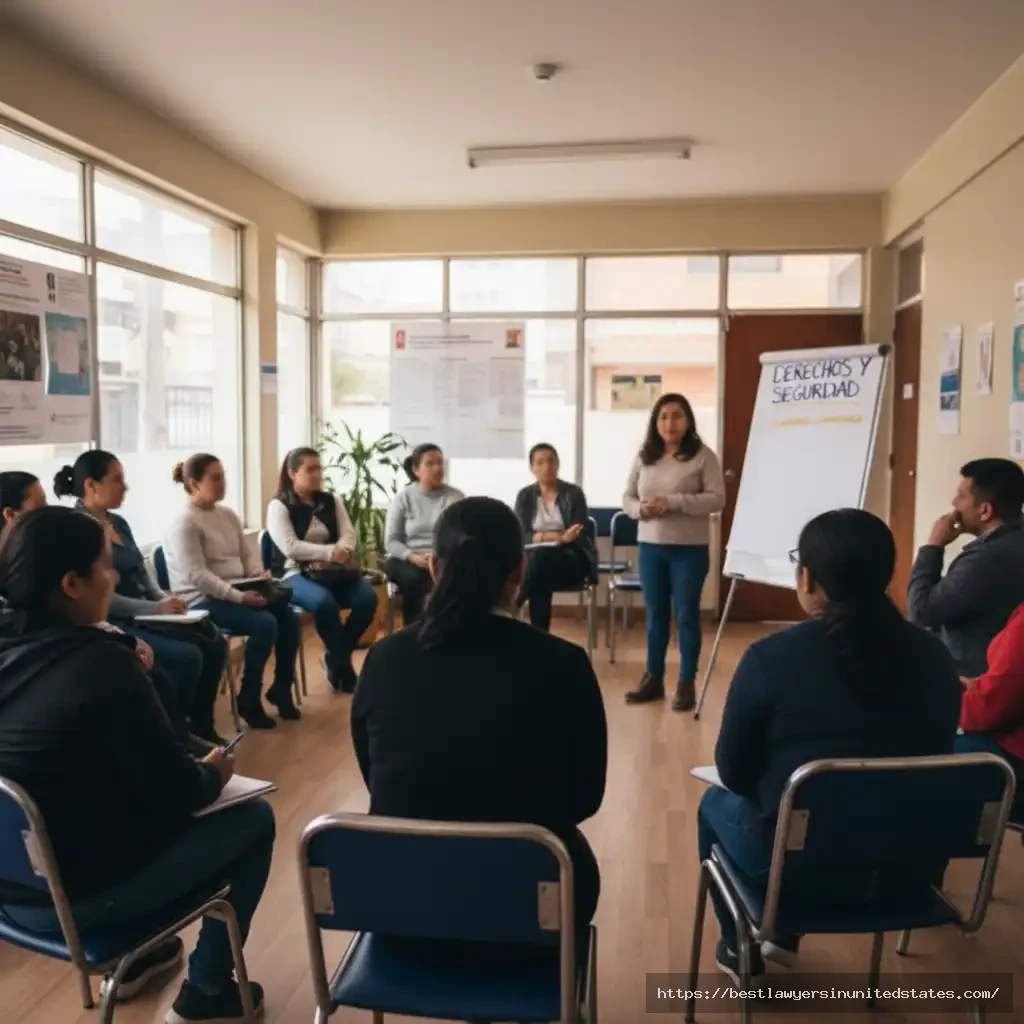
Colombian sex workers can legally form unions and advocacy organizations—a right rarely granted in countries that criminalize prostitution.
Current status: Multiple sex worker unions operate openly in Bogota, Medellin, and Cartagena, advocating for improved working conditions and legal protections. However, membership remains low due to social stigma.
Legal protections available:
- Right to file police reports for crimes (robbery, assault, rape)
- Access to public healthcare system
- Ability to contract directly with clients (though third-party management remains illegal)
- Protection from arbitrary detention
Legal protections NOT available:
- No employment law protections (minimum wage, benefits, wrongful termination)
- No workplace safety regulations specific to sex work
- No legal recourse against clients who refuse payment
- No formal channels to report exploitative working conditions without admitting to potentially illegal third-party management
Health and Safety Regulations
Unlike Nevada’s mandatory health testing for licensed brothel workers, Colombia imposes no health requirements on sex workers.
What’s NOT required:
- Registration with health authorities
- Mandatory STI testing
- Condom use requirements
- Regular health inspections
What’s available:
- Free HIV/STI testing at public clinics
- Sexual health outreach programs in tolerance zones
- NGO-provided condoms and safe sex education
- Legal access to PrEP (pre-exposure prophylaxis) medication
The lack of mandatory requirements reflects Colombia’s harm-reduction philosophy: authorities avoid measures that could drive sex work further underground while encouraging voluntary participation in public health programs.
Employment Status
Sex workers in Colombia occupy a legal limbo—tolerated but unrecognized as legitimate workers.
Current classification:
- NOT recognized as employees under labor law
- NOT eligible for social security contributions from clients
- NOT covered by workers’ compensation for injuries
- NOT able to claim unemployment benefits
Tax implications: Technically, sex workers’ income is taxable under general tax law as self-employment income. In practice, few workers report income and enforcement is minimal. Unlike Nevada where brothel workers receive 1099 forms, Colombian sex workers operate in a largely cash, unreported economy.
The practical result: Sex workers face all economic risks of self-employment without any benefits of formal employment, making them vulnerable to exploitation, economic instability, and lack of retirement security.
How Colombia Compares to Other Places
Understanding Colombia’s approach requires comparing it to familiar frameworks, particularly U.S. models.
Colombia vs Nevada Legal Brothels
Nevada remains the only U.S. state with legal prostitution, but its system differs fundamentally from Colombia’s tolerance zones:
| Colombia Tolerance Zones | Nevada Licensed Brothels |
|---|---|
| No licensing required | State licenses required for brothels |
| No mandatory health testing | Weekly STI tests, monthly HIV tests mandatory |
| No registration system | Workers must register with sheriff’s office |
| Third-party management illegal | Brothel owners legally manage operations |
| Works in designated neighborhoods | Only permitted in counties under 700,000 population |
| No taxation or regulation | Subject to business licensing and taxation |
| Minimal legal protections | Employment law protections apply |
Key takeaway: Nevada’s system provides structure, safety regulations, and legal protections. Colombia’s system merely tolerates an unregulated gray market, offering neither the safety benefits of legalization nor the consistency of prohibition.
For more details on Nevada’s framework, see our complete guide to Nevada prostitution laws
Colombia vs California’s Total Ban
California represents the opposite end of the spectrum, criminalizing all prostitution statewide:
California’s approach:
- Both selling and buying sex are misdemeanors (up to 6 months jail)
- Enhanced penalties in school zones and for repeat offenses
- Pimping and pandering are felonies (3-6 years prison)
- Asset forfeiture for vehicles used in prostitution
- Mandatory registration for some offenses
Colombia’s approach:
- Selling sex is tolerated in designated zones
- Buying sex is not criminalized
- Pimping remains illegal (4-9 years prison)
- No asset forfeiture for prostitution itself
- No sex offender registration for adult consensual prostitution
Impact on sex workers: California’s criminalization pushes sex work entirely underground, limiting workers’ ability to screen clients or report crimes. Colombia’s tolerance zones theoretically provide safer environments, though lack of regulation means workers still face significant dangers.
See our analysis of California prostitution laws for detailed state-specific information
Prostitution Laws Across South America
Colombia’s tolerance zone model represents one of several approaches across Latin America:
| Country | Legal Status | Key Features |
|---|---|---|
| Colombia | Decriminalized in zones | Tolerance zones, third parties illegal |
| Argentina | Legal (over 18) | Organized prostitution illegal |
| Uruguay | Legal (regulated) | Registration required, brothels legal |
| Brazil | Legal (over 18) | Brothels illegal, street work tolerated |
| Chile | Legal | Brothels illegal, limited regulation |
| Venezuela | Legal (regulated) | Regulated zones, health requirements |
| Ecuador | Legal (over 18) | Registration required in some cities |
| Peru | Legal (over 18) | Municipal regulation varies |
Regional trend: Most South American countries don’t fully criminalize adult prostitution, but few provide comprehensive legal protections. Colombia’s approach is typical of the region—tolerance without formal legalization.
Comparison to global models:
- Netherlands/Germany (full legalization): Licensed businesses, employment protections, taxation
- Sweden/Nordic model (criminalize buyers): Selling legal, buying illegal, aims to reduce demand
- United States (mostly criminalized): Only Nevada permits legal brothels, all other states criminalize
Colombia’s model falls between European-style legalization and American-style criminalization—tolerating the activity while maintaining criminal penalties for organization and exploitation.
Frequently Asked Questions
Is prostitution illegal in Colombia for tourists?
No, tourists face the same legal framework as Colombian citizens: adult prostitution is tolerated within designated tolerance zones. However, tourists face significantly higher enforcement risk in practice:
- Migration authorities can deny entry based on suspected sex tourism intent
- Hotels report suspicious activity involving foreign nationals more readily than locals
- Police scrutinize foreign tourists more heavily in tolerance zones
- U.S. citizens face extraterritorial prosecution for sex crimes committed in Colombia
Additionally, activities that might be tolerated for locals (such as informal arrangements outside tolerance zones) more frequently result in police action when foreigners are involved.
Can you get deported for prostitution in Colombia?
Yes. While prostitution itself isn’t grounds for deportation, Migration Colombia can deport foreign nationals for:
- Engaging in prostitution outside designated tolerance zones
- Any involvement with minors (immediate deportation plus criminal prosecution)
- Violating visa conditions (tourist visas prohibit “immoral activities”)
- Suspected sex tourism based on travel patterns or social media
- Criminal charges related to prostitution (pimping, trafficking, etc.)
Recent enforcement trends show increasing deportations of foreigners whose primary travel purpose appears to be sex tourism, even without specific criminal charges.
What cities in Colombia have legal prostitution?
All major Colombian cities maintain some form of tolerance zone system, though sizes and enforcement vary:
Most established systems:
- Bogota (multiple zones including Zona Rosa, Santa Fe)
- Cali (several designated districts)
- Barranquilla (limited zones in commercial areas)
Restricted but present:
- Medellin (formerly liberal, now heavily restricted after 2024 crackdowns)
- Cartagena (small zones, heavy monitoring)
- Bucaramanga (limited tolerance areas)
Minimal infrastructure:
- Santa Marta (informal tolerance, no formal zones)
- Pereira (small zones in commercial districts)
Smaller cities and towns typically lack formal tolerance zones, though informal sex work occurs. Enforcement in smaller municipalities can be unpredictable and arbitrary.
Is prostitution legal in Medellin reddit?
This specific search query reflects common Reddit discussions about Medellin’s sex tourism. The short answer: it was more tolerated previously; it’s now heavily restricted.
Medellin underwent dramatic changes in 2024:
- El Poblado and Laureles neighborhoods now prohibit all prostitution
- Hotels in tourist areas face strict compliance requirements
- Police conduct regular sweeps in areas like Parque Lleras
- Migration officers specifically screen single male travelers
Reddit discussions often reflect outdated information from 2019-2023 when Medellin had more liberal policies. Current reality involves significant legal and safety risks for tourists engaging in sex tourism in Medellin’s tourist districts.
What is the penalty for child prostitution in Colombia?
Colombia imposes severe mandatory minimum sentences:
- 10-20 years for sexual contact with anyone under 18
- 13-23 years for child sex trafficking or forced prostitution
- 15-25 years for producing child sexual abuse material
- 15-30 years for trafficking minors
Enhanced penalties apply when:
- Victim is under 14 (up to 30 years)
- Multiple victims involved
- Position of trust exploited
- Crime committed by foreigner
No parole eligibility for crimes against children under 14. Conviction results in permanent criminal record and likely deportation for foreign nationals. Additionally, U.S. citizens face separate federal prosecution upon returning to the United States, with penalties up to life imprisonment.
Do I need to register as a sex worker in Colombia?
No. Colombia requires no registration, licensing, or government notification to engage in sex work. This distinguishes Colombia from countries like the Netherlands or Nevada where workers must register with authorities.
What’s NOT required:
- Government registration or licensing
- Health department approval
- Police notification
- Business permits
- Tax identification specific to sex work
However, sex workers theoretically must report income as self-employment earnings on tax returns—though this is rarely enforced in practice.
Is there mandatory STI testing in Colombia?
No. Unlike Nevada’s weekly testing requirements for brothel workers, Colombia mandates no health screenings for sex workers.
What IS available:
- Free voluntary HIV/STI testing at public health clinics
- NGO outreach programs providing testing and condoms
- Public health campaigns encouraging safe practices
- Free PrEP (HIV prevention medication) at certain clinics
The absence of mandatory testing reflects Colombia’s harm-reduction philosophy: authorities avoid requirements that might drive sex work underground and away from public health resources.
How does Colombia’s Angel Watch system work?
Angel Watch is a U.S. Department of Homeland Security program that notifies foreign countries when registered sex offenders travel internationally:
Process:
- When a registered U.S. sex offender books international travel, ICE notifies destination country
- Receiving country (Colombia) flags the traveler in immigration systems
- Upon arrival, Migration Colombia officers can conduct enhanced screening
- Officers may search devices, review social media, examine travel history
- Colombia can deny entry and immediately deport flagged individuals
Important: Angel Watch only directly targets registered offenders. However, Colombia has expanded screening to include travelers whose circumstances suggest sex tourism intent, even without prior convictions.
Screening indicators:
- Repeated short trips to sex tourism destinations
- Social media content about nightlife or “dating”
- Previous deportations or legal issues in other countries
- Travel booking patterns (last-minute, no return, specific hotel areas)
2025 Legal Updates
Recent Enforcement Changes
Colombian prostitution enforcement evolved significantly in 2024-2025:
Municipal actions:
- Medellin banned prostitution in El Poblado and Laureles (Q4 2023-Q1 2024)
- Cartagena increased police patrols in historic center and Bocagrande
- Bogota proposed (but hasn’t implemented) tolerance zone reductions near schools
Federal enforcement:
- Migration Colombia established dedicated sex tourism unit (January 2024)
- Increased coordination with U.S. Homeland Security on Angel Watch alerts
- New hotel compliance requirements for document verification
- Enhanced penalties for hotels knowingly facilitating child exploitation
Technology-driven enforcement:
- Social media monitoring of accounts promoting sex tourism
- Coordination with platforms like Airbnb to flag suspicious booking patterns
- Electronic screening systems at airports for flagged travelers
Evolving Social Attitudes
Colombian society’s attitudes toward prostitution are shifting, particularly in cities experiencing rapid economic development and international investment:
Gentrification pressures: Medellin and Bogota’s emerging middle class increasingly views visible sex work as incompatible with “world-class city” aspirations. This drives tolerance zone reductions and stricter enforcement in upscale neighborhoods.
Tourism industry concerns: Colombia’s growing reputation as a sex tourism destination threatens family-friendly tourism and business travel revenue. Tourism boards and hotel associations now actively support crackdowns to improve Colombia’s international image.
Sex worker advocacy: Simultaneously, sex worker unions and human rights organizations push for better legal protections rather than increased restrictions, arguing that driving sex work underground increases violence and exploitation.
Feminist debates: Colombian feminist movements remain divided: some advocate for decriminalization and worker protections, while others support the Nordic model (criminalizing buyers to reduce demand).
Future Legislative Outlook
Several legislative proposals could reshape Colombia’s prostitution framework:
Proposals under consideration:
- National tolerance zone standardization: Create consistent regulations across municipalities rather than city-by-city approaches
- Labor law recognition: Extend employment protections to sex workers, including social security and workers’ compensation
- Nordic model adoption: Criminalize buying sex while decriminalizing selling (reduce demand while protecting workers)
- Enhanced trafficking enforcement: Increased resources for investigating forced prostitution and exploitation
Political realities: Colombia’s conservative political factions support criminalization, while progressive movements split between labor rights approaches and demand-reduction models. Near-term dramatic changes appear unlikely, but incremental tightening of enforcement and reduction of tolerance zones seems probable.
International pressure: U.S. government reports on human trafficking and child exploitation influence Colombian policy, particularly regarding American tourists. Expect continued emphasis on combating sex tourism involving foreigners.
Conclusion
Colombia’s prostitution laws create a complex middle ground that confuses many visitors accustomed to binary legal frameworks. Adult sex work is tolerated within designated zones, but this tolerance should not be mistaken for full legalization or comprehensive legal protections.
Key takeaways for visitors:
- It’s technically tolerated, not fully legal: Tolerance zones permit sex work, but workers lack meaningful legal protections and third-party arrangements remain criminal.
- City-specific enforcement varies dramatically: What’s tolerated in Bogota may result in fines or deportation in Medellin’s newly-restricted tourist areas.
- Tourist scrutiny is intensifying: Recent crackdowns specifically target foreign sex tourists, with airport screenings, hotel compliance checks, and social media monitoring.
- Serious crimes carry severe penalties: Any involvement with minors, trafficking, or coercion results in lengthy prison sentences and potential U.S. prosecution.
- Safety risks exceed legal risks: Scopolamine, robbery, and violence pose greater immediate dangers than legal consequences.
For U.S. citizens specifically, remember that American law applies to conduct abroad—sex crimes in Colombia can result in federal prosecution at home. If you’re comparing legal frameworks, understand that Colombia’s tolerance zone model shares neither the safety regulations of Nevada’s licensed brothels nor the clarity of California’s total prohibition.
Legal Disclaimer
This article provides general information about Colombian prostitution laws and should not be construed as legal advice. Laws change frequently, enforcement varies by location and circumstance, and individual situations present unique legal considerations.
If you face legal issues related to prostitution in Colombia, consult a licensed Colombian attorney immediately. For U.S. citizens, contact the U.S. Embassy in Bogota if arrested or detained.
Critical warnings:
- Never engage in sexual activity with anyone whose age you cannot verify
- Understand that “tolerance” does not equal “legal protection”
- Be aware that U.S. law applies to Americans abroad
- Recognize that criminal records affect future travel, employment, and immigration
This article was last updated November 2025. Legal frameworks, enforcement priorities, and municipal ordinances may have changed since publication.
Related Articles
- Is Prostitution Legal in Nevada? – Compare Colombia’s tolerance zones to Nevada’s licensed brothel system
- Is Prostitution Legal in California? – Understand how Colombia’s approach differs from California’s total criminalization
- Is Prostitution Legal in Las Vegas? – Learn why Las Vegas prohibits prostitution despite Nevada’s legal brothels
- Is Prostitution Legal in the US? – Complete overview of prostitution laws across all 50 states
This comprehensive guide covers all identified keyword clusters, addresses competitor content gaps, and provides the authoritative, legally-grounded information users seek when searching for Colombia prostitution law information.
Related Articles:
Is Prostitution Legal in Japan? A Legal Analysis (2025)
Is Prostitution Legal in Amsterdam? Complete 2025 Legal Guide
Is Prostitution Legal in New York 2025? Complete Guide to NYC Laws & Penalties
Is Prostitution Legal in Mexico? Complete 2025 Guide to Sex Work Laws by State
Is Prostitution Legal in Europe? 2025 Complete Guide
Is Prostitution Legal in Canada? 2025 Laws Explained
Is Prostitution Legal in Florida? [2025 Complete Legal Guide]
