
Quick Answer: Yes, prostitution is legal in Amsterdam and throughout the Netherlands since October 1, 2000. Licensed sex work operates under strict regulations with mandatory registration, health checks, and tax obligations. However, forced prostitution and unlicensed operations remain illegal with severe penalties.
While Amsterdam’s approach is famously liberal, prostitution laws vary dramatically worldwide, from full legalization to complete prohibition.
The Current Legal Status in Amsterdam (2025 Updates)
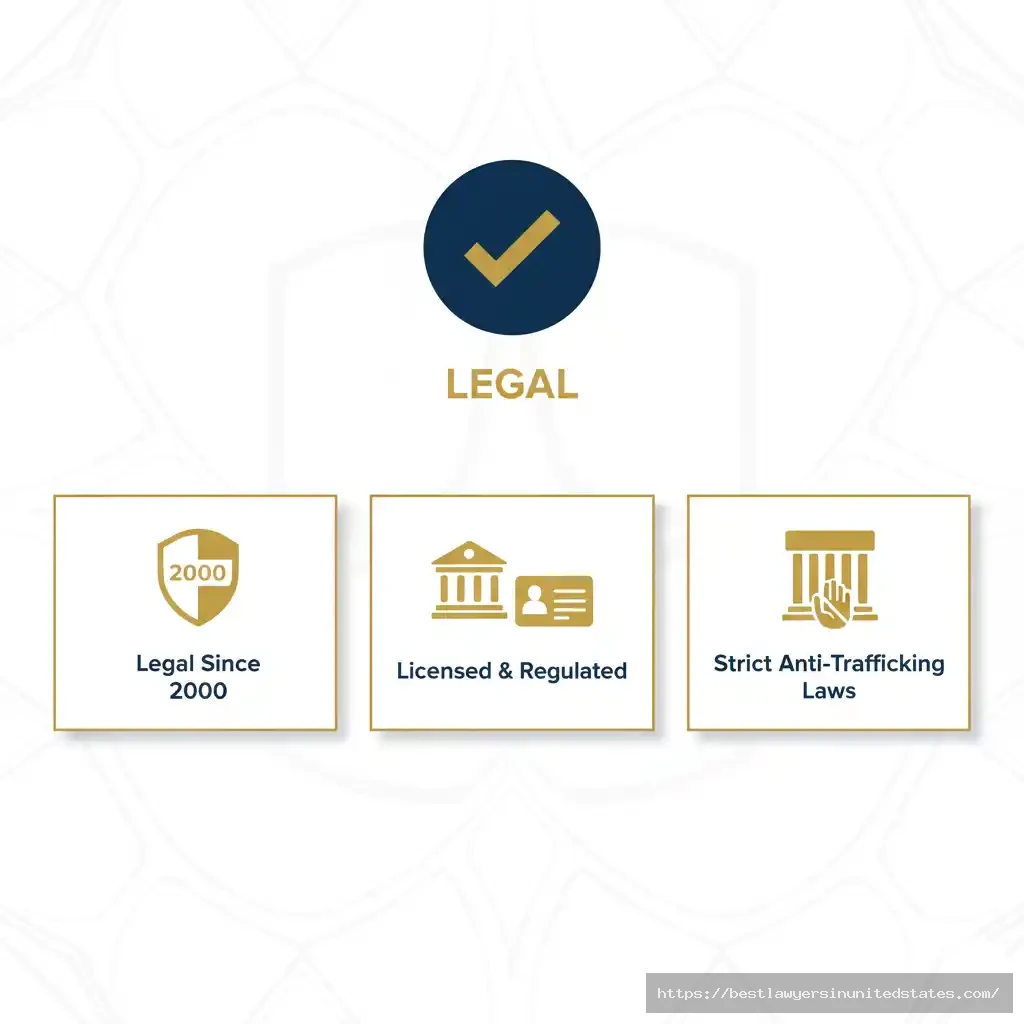
Prostitution in Amsterdam operates within a carefully regulated framework that treats sex work as a legitimate profession. The Netherlands became the first country to fully legalize and regulate prostitution in 2000, creating a model that distinguishes between voluntary adult sex work and criminal exploitation.
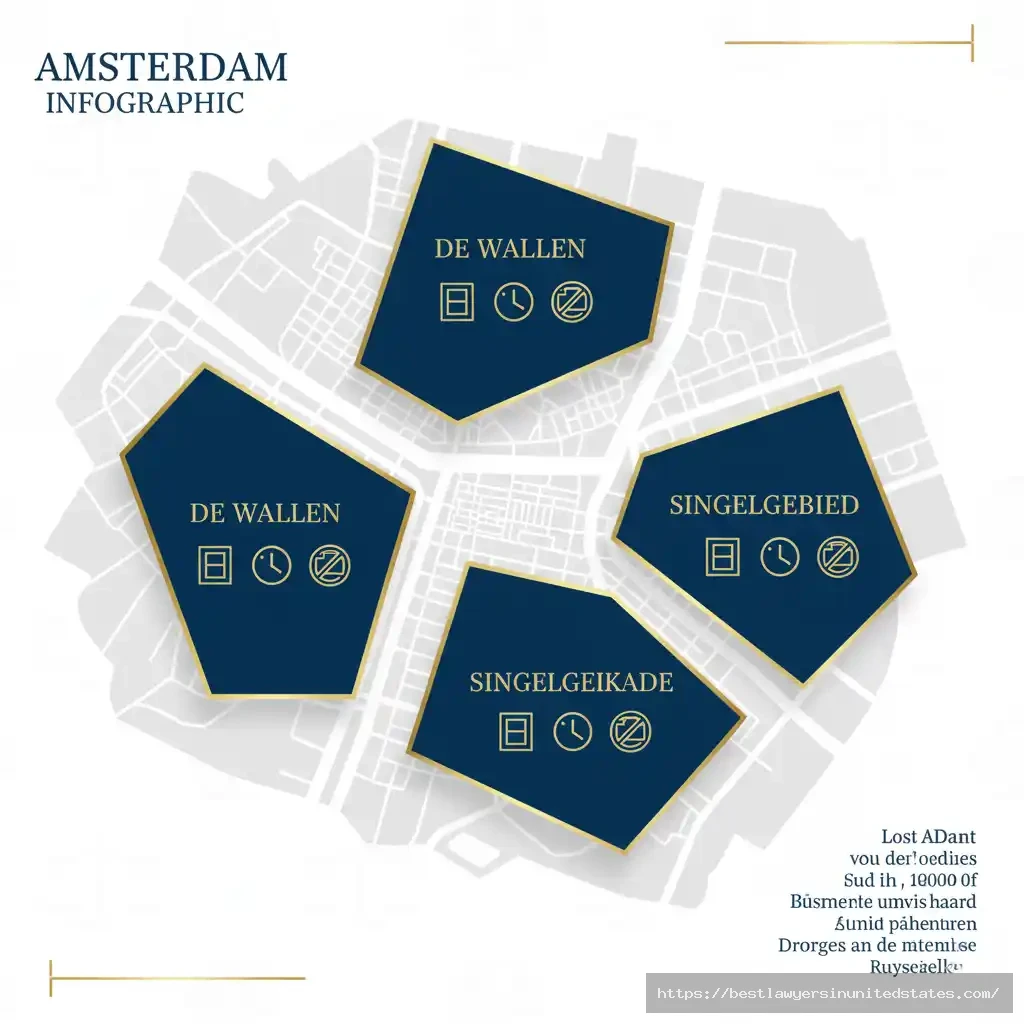
As of 2025, Amsterdam maintains approximately 280 window brothels in designated areas, though this number continues to decrease due to municipal policies. The famous Red Light District (De Wallen) remains the primary zone, alongside smaller areas in Singelgebied and Ruysdaelkade.
Recent changes have significantly impacted the industry. The Amsterdam city council voted in 2024 to relocate parts of the Red Light District to a purpose-built “Erotic Center” outside the city center, targeting completion by 2031. Meanwhile, stricter tourist regulations now prohibit guided tours after 8 PM and ban smoking cannabis in public spaces throughout the district.
What Makes Prostitution Legal vs Illegal
Legal Requirements for Sex Workers
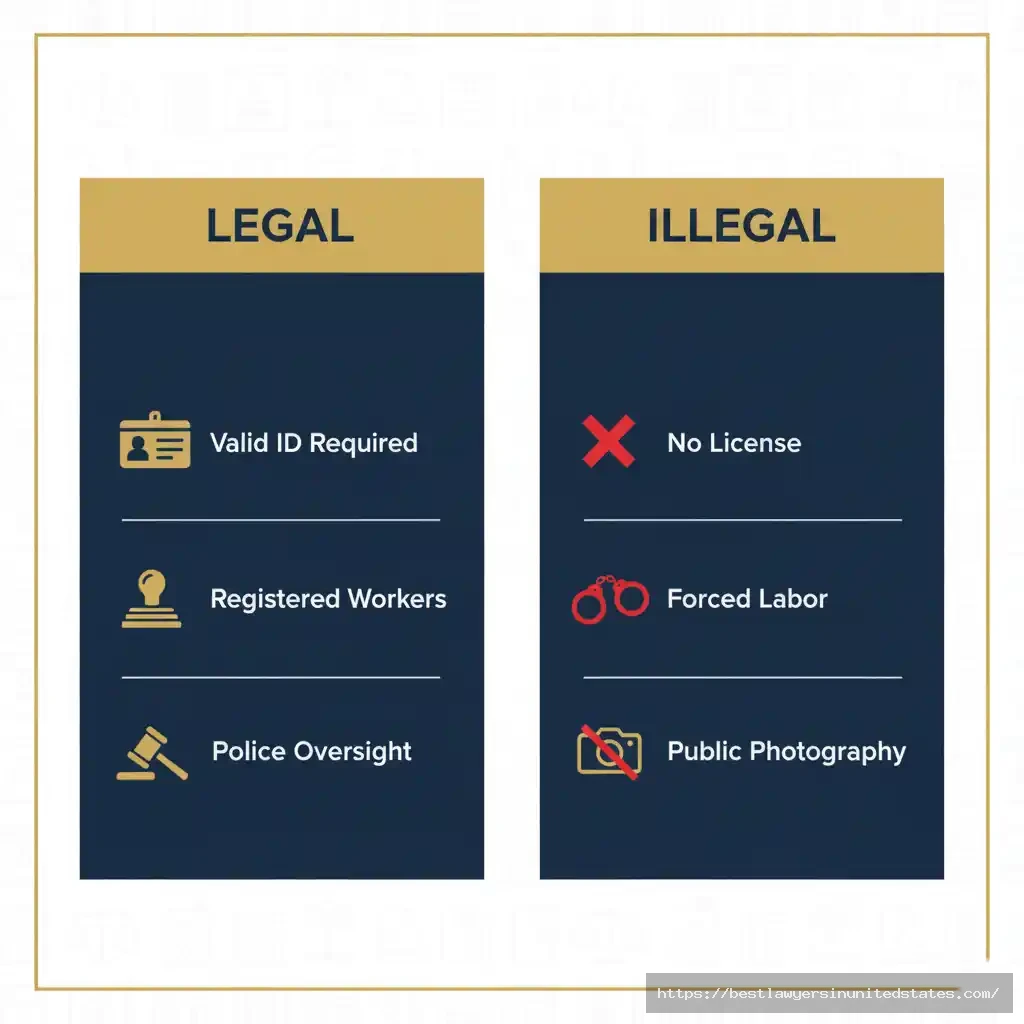
Sex workers must meet specific criteria to operate legally:
Registration Requirements:
- Mandatory registration with Netherlands Chamber of Commerce (KVK)
- Valid work permit for non-EU citizens
- Minimum age of 21 years
- Business bank account and VAT registration
Health & Safety Compliance:
- Regular health screenings through GGD Amsterdam
- Mandatory safe sex practices
- Access to panic buttons in all licensed venues
- Right to refuse any client or service
When Prostitution Becomes Illegal
The line between legal and illegal prostitution is clearly defined:
Always Illegal:
- Forced prostitution or trafficking (10+ year sentences)
- Employing anyone under 21 years old
- Operating without proper licenses
- Street prostitution outside designated zones
- Unlicensed home prostitution
- Facilitating prostitution without permits
Client Violations:
- Knowingly using services of trafficking victims (4+ year sentences)
- Engaging with unlicensed sex workers (fines up to €4,350)
- Soliciting in non-designated areas
Amsterdam’s Red Light District Rules and Regulations
Essential Visitor Guidelines
The Red Light District operates under strict behavioral codes that protect both workers and visitors:
Photography and Privacy: Taking photos or videos of sex workers is strictly prohibited and enforced by security personnel. Violators face €140 fines, camera confiscation, and potential arrest. This rule protects worker privacy and safety.
Respect and Conduct:
- Window shopping is allowed, but staring excessively is considered disrespectful
- Negotiating happens only after entering the room
- Groups larger than 4 people may be dispersed by police
- Public intoxication results in removal from the area
Operating Hours and Zones
Window Prostitution Hours:
| Zone | Monday-Thursday | Friday-Sunday |
|---|---|---|
| De Wallen | 8:00 AM – 6:00 AM | 24 hours |
| Singelgebied | 2:00 PM – 3:00 AM | 2:00 PM – 4:00 AM |
| Ruysdaelkade | 8:00 PM – 2:00 AM | 8:00 PM – 3:00 AM |
Age Restrictions:
- Minimum age to visit: 18 years
- ID checks common at area entrances
- Unaccompanied minors prohibited after 10 PM
How the Legal System Works
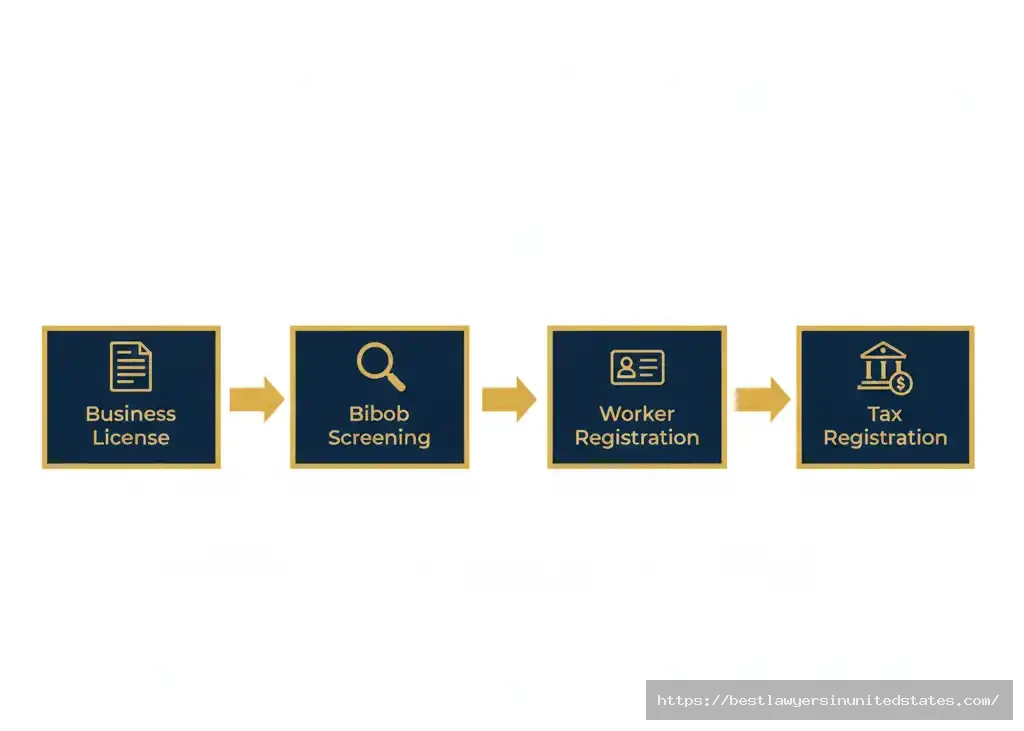
The Licensing Framework
Amsterdam’s prostitution industry operates through a multi-tier licensing system:
Business Licenses: Brothel operators must obtain municipal permits costing €2,000-10,000 annually, depending on venue size. The Bibob Act allows authorities to screen operators for criminal connections, with background checks extending to financial partners and family members.
Worker Registration: Sex workers choose between employee status or self-employment. Most (85%) work as independent contractors, managing their own taxes and schedules. The “opting-in arrangement” allows workers to operate under a brothel’s license while maintaining independence.
Tax and Financial Obligations
Income Tax Requirements:
| Annual Income | Tax Rate | Additional Obligations |
|---|---|---|
| €0 – €35,000 | 19.07% | Quarterly VAT returns |
| €35,000 – €75,000 | 36.97% | Annual profit declaration |
| €75,000+ | 49.5% | Monthly advance payments |
Business Expenses Deductible:
- Room rental (€50-150 per shift)
- Work clothing and accessories
- Health screenings and contraception
- Security services
- Professional insurance
Rights and Protections for Sex Workers
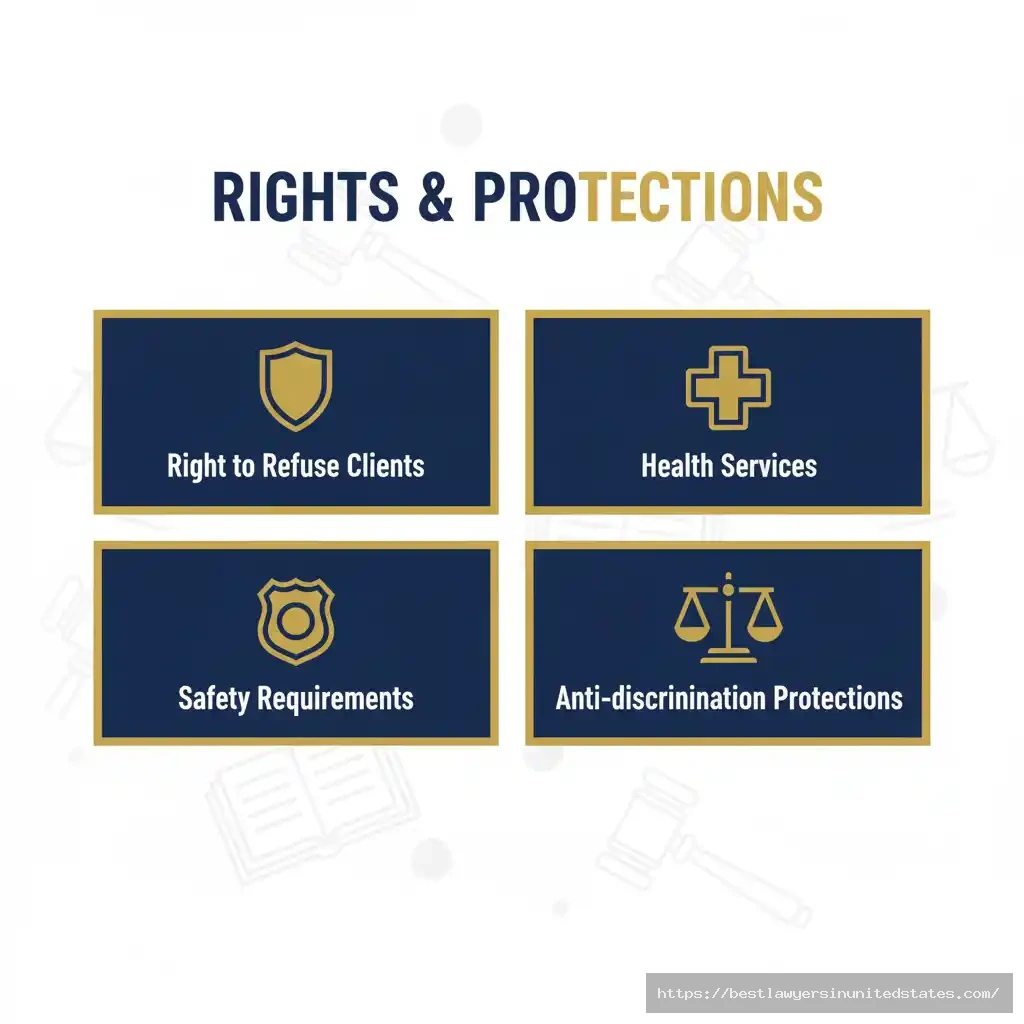
Labor Rights Equal to Other Professions
Sex workers in Amsterdam enjoy comprehensive labor protections:
Legal Protections:
- Right to refuse any client without explanation
- Protection from discrimination
- Access to legal aid through Proud Netherlands union
- Workplace injury compensation
- Maternity leave for employed workers
Safety Measures: Every licensed venue must provide:
- Emergency alarm systems connected to police
- Security cameras in common areas
- Regular police patrols
- Mandatory client registration in some venues
- Safe sex supplies at no cost to workers
Health Services and Support
Free Health Services: The GGD Amsterdam Prostitution & Health Center offers:
- STI testing every 3 months
- HIV prevention medication (PrEP)
- Hepatitis B vaccination
- Mental health counseling
- Anonymous treatment options
Exit Programs: Workers wanting to leave the industry access:
- Career transition counseling
- Educational grants up to €5,000
- Temporary housing assistance
- Debt restructuring programs
- Job placement services
Enforcement and Anti-Trafficking Measures
Project 1012 and Gentrification
Since 2007, Project 1012 has reduced window brothels by 40% through strategic property purchases and rezoning. The municipality converts former sex work venues into art galleries, boutiques, and restaurants, aiming to diversify the neighborhood economy.
Current Enforcement Priorities:
- Weekly inspections of all licensed venues
- Undercover operations targeting illegal brothels
- Financial audits to detect money laundering
- Age verification sweeps
- Client education campaigns
Human Trafficking Prevention
Identification Systems:
| Indicator | Action Taken | Response Time |
|---|---|---|
| No Dutch/English spoken | Translator provided | Immediate |
| Controlled finances | Financial investigation | 48 hours |
| Restricted movement | Police intervention | Immediate |
| Multiple workplace injuries | Medical examination | 24 hours |
| Passport withheld | Emergency protection | Immediate |
Reporting Mechanisms:
- Anonymous hotline: 0800-7000
- Online reporting: meldmisdaadanoniem.nl
- CoMensha coordination: 24/7 support
- Safe houses in undisclosed locations
Comparing Amsterdam to Other Dutch Cities
Regional Differences in Regulation
Major City Policies:
| City | Windows | Clubs | Escorts | Home Work |
|---|---|---|---|---|
| Amsterdam | Yes (limited) | Yes | Yes | Restricted |
| Rotterdam | No | Yes | Yes | Yes |
| The Hague | Yes | Yes | Yes | Yes |
| Utrecht | No | No | Yes | Yes |
| Eindhoven | Yes | Yes | Yes | Restricted |
Unique Amsterdam Restrictions:
- Tourist group size limits
- Evening tour bans
- Cannabis consumption prohibited in RLD
- Alcohol sales restricted after 4 AM
- Bachelor party limitations
Amsterdam’s regulated approach differs significantly from Latin American models, such as Colombia’s decriminalization framework.
Starting Legal Sex Work in Amsterdam
Step-by-Step Registration Process
Week 1-2: Preparation
- Secure EU residence status or work permit
- Open Dutch bank account (ING or ABN AMRO preferred)
- Obtain BSN (social security number)
- Find registered accommodation
Week 3: KVK Registration
- Schedule appointment at KVK office
- Pay €51.30 registration fee
- Select SBI code 96.09 (personal services)
- Receive KVK number immediately
Week 4: Tax Registration
- Register for VAT at Belastingdienst
- Apply for small business scheme if applicable
- Set up quarterly tax payments
- Consider hiring accountant (€150-300/month)
Workplace Options and Costs
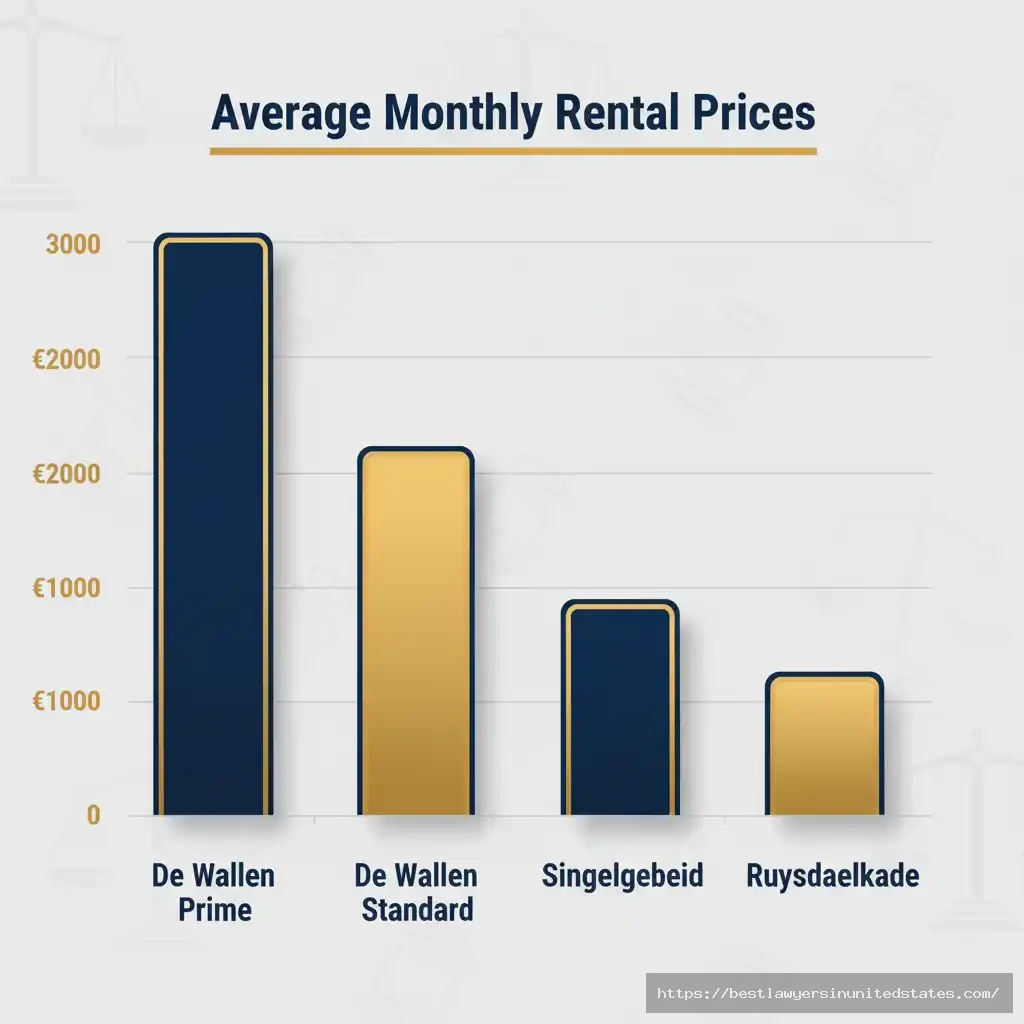
Window Rental Prices (2025):
| Location | Day Shift | Night Shift | Peak Weekend |
|---|---|---|---|
| De Wallen Prime | €150 | €180 | €220 |
| De Wallen Standard | €100 | €130 | €160 |
| Singelgebied | €80 | €100 | €130 |
| Ruysdaelkade | €60 | €80 | €100 |
Alternative Venues:
- Private clubs: 50% commission typical
- Escort agencies: 30-40% commission
- Massage parlors: €400-800 weekly rental
- Home work: Requires special permit (rarely granted)
Tourist Information and Cultural Context
Visiting Responsibly
Amsterdam’s Red Light District attracts 20 million visitors annually, creating tensions between tourism and local life. Responsible visiting means understanding you’re in a working neighborhood, not a theme park.
Cultural Sensitivity Tips: The women behind windows are professionals at work. They appreciate respectful curiosity but not gawking crowds. If interested in services, approach the window and wait for acknowledgment. If not, keep walking without lingering.
What the Different Lights Mean:
- Red light: Standard services available
- Blue light: Transgender sex workers
- Purple light: (Rare) Specialized services
- White light: Window temporarily closed
Common Misconceptions Clarified
Myth vs Reality:
“All workers are trafficked victims” – False. Studies show 90% of licensed workers choose the profession voluntarily, with trafficking more common in illegal sectors.
“It’s a lawless zone” – False. The Red Light District has more police cameras per square meter than any other Amsterdam neighborhood.
“Anyone can work there” – False. Strict age, health, and registration requirements eliminate most applicants.
“It’s just for tourists” – False. 60% of clients are Dutch nationals, with locals using discrete entrances.
Unlike popular belief about Las Vegas, where prostitution remains illegal within city limits, Amsterdam operates under full legalization.
Legal Consequences and Penalties
For Clients
Violation Penalties:
| Offense | First Violation | Repeat Offense |
|---|---|---|
| Using illegal prostitution | €4,350 fine | 6 months jail |
| Photography of workers | €140 + device seizure | €450 + prosecution |
| Public urination | €140 | €280 |
| Aggressive solicitation | Warning | 24-hour area ban |
| Drug dealing attempts | Arrest | 2+ years prison |
For Operators and Workers
License Violations:
- Operating without permit: €20,000 + immediate closure
- Employing minors: 10+ years imprisonment
- Tax evasion: Fines equal to 300% of owed amount
- Safety violations: €5,000 per infraction
- Forced prostitution: 12+ years imprisonment
Frequently Asked Questions
Is prostitution legal everywhere in Amsterdam? No, only in designated zones with proper licenses. Street prostitution outside zones results in €380 fines. These penalties are notably lighter than in US states like California, where prostitution carries criminal charges.
What’s the legal age for sex workers? 21 years minimum in Amsterdam (18 in some other Dutch cities).
Can tourists legally use these services? Yes, anyone 18+ can legally visit licensed sex workers.
Are health checks mandatory? Not legally required but strongly encouraged. Most venues require recent health certificates.
What happens during a police raid? Routine inspections check licenses and ages. Legal workers continue working uninterrupted.
Can sex workers refuse clients? Absolutely. Workers can refuse anyone without providing reasons.
Is it legal to arrange prostitution online? Yes, if the website and workers are properly licensed and registered.
What about happy ending massages? Only legal in licensed erotic massage parlors, not regular massage shops.
Can Americans work in Amsterdam’s Red Light District? Only with proper work visa (nearly impossible to obtain for this purpose). This contrasts sharply with prostitution laws in Canada, where different regulations apply.
Are there male sex workers? Yes, though less common. They operate under identical regulations.
What’s the “opting-in” arrangement? Allows self-employed workers to use a brothel’s facilities while maintaining independence.
Is window prostitution declining? Yes, Amsterdam has reduced windows by 40% since 2007, with more closures planned.
Can couples visit together? Yes, many workers offer couple services at negotiated rates.
What are panic buttons? Emergency alarms in every legal room, directly connected to police dispatch.
Is the Red Light District safe at night? Generally yes, with heavy police presence, though remain alert like any nightlife area.
The Future of Legal Prostitution in Amsterdam
Amsterdam’s approach to legal prostitution continues evolving. The proposed Erotic Center represents the next phase, promising modern facilities with better working conditions but controversial relocation from historic neighborhoods.
By 2031, the landscape will look different. Yet the fundamental Dutch principle remains: treating sex work as legitimate labor deserving rights, protections, and respect. This pragmatic approach, balancing personal freedom with public safety, continues setting global precedents for sex work regulation.
The legal framework isn’t perfect. Challenges persist with illegal operations, trafficking concerns, and neighborhood tensions. However, Amsterdam’s transparent, regulated system provides workers more protection than prohibition ever could, while generating tax revenue and reducing criminal exploitation.
For visitors, workers, and residents alike, understanding these laws ensures everyone operates within legal boundaries while respecting the human dignity at this profession’s core.
Related Articles:
Is Prostitution Legal in Japan? A Legal Analysis (2025)
