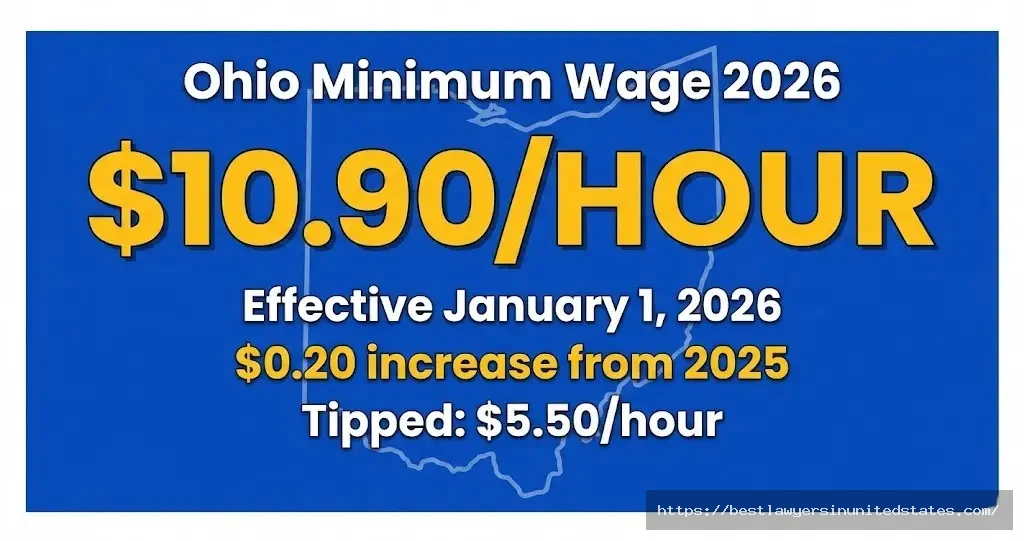
Ohio’s minimum wage for 2026 is projected to increase to $10.90 per hour based on annual inflation adjustments, up from $10.70 in 2025. This rate applies to most workers, while tipped employees earn a base wage of $5.35 per hour plus tips. The increase takes effect January 1, 2026, and reflects Ohio’s constitutional requirement to adjust wages annually based on the Consumer Price Index.
Quick Facts for 2026:
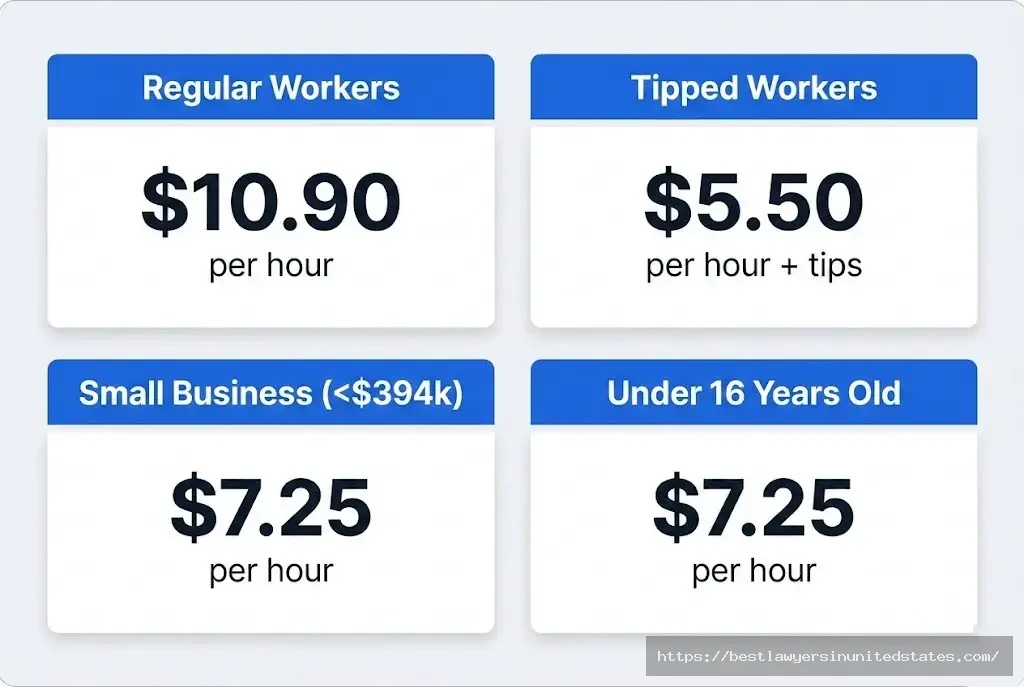
- Regular workers: $10.90/hour (projected)
- Tipped workers: $5.50/hour + tips (projected)
- Small businesses (<$394,000 revenue): $7.25/hour (federal rate)
- Workers under 16: $7.25/hour (federal rate)
- Overtime threshold: Time-and-a-half after 40 hours per week
Ohio’s minimum wage has risen steadily since voters approved a constitutional amendment in 2006. The state Department of Commerce announces the exact rate each September based on inflation data from the previous year.
Calculate Your 2026 Earnings in Ohio
Want to know exactly how much you’ll earn at Ohio’s projected $10.90 minimum wage? Use our free calculator to estimate your weekly, monthly, and annual income based on your hours worked.
💰 Minimum Wage Earnings Calculator
Calculate your weekly, monthly, and annual earnings with overtime and tax estimates
📊 Your Earnings Breakdown
💰 Gross Earnings
Calculator features:
- Automatic Ohio wage rates for 2026
- Weekly, monthly, and annual earnings
- Overtime calculations included
- Tax withholding estimates
- Take-home pay breakdown
Full calculator with all features: Calculate your exact earnings
Questions about your wages or need legal help?
Email: [email protected]
2026 Ohio Minimum Wage Rates for Different Workers
Standard Minimum Wage: $10.90 Per Hour
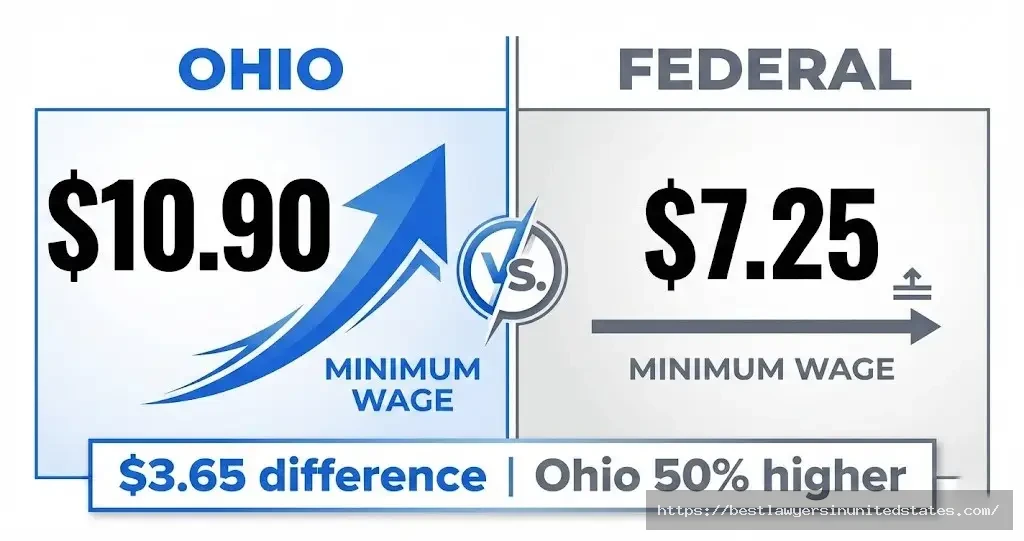
Most Ohio workers earn the standard minimum wage of $10.90 per hour starting January 1, 2026. This applies to anyone working for businesses that gross $394,000 or more annually. The rate is $3.65 higher than the federal minimum wage of $7.25.
Ohio calculates this increase each year by measuring inflation using the Consumer Price Index for Urban Wage Earners and Clerical Workers (CPI-W). The Ohio Department of Commerce publishes the new rate by September 30 of the preceding year.
Who gets the full minimum wage:
- Full-time and part-time employees
- Seasonal workers
- Temporary employees
- Most hourly workers age 16 and older
Tipped Employee Minimum Wage: $5.50 Per Hour Plus Tips
Ohio uses a tip credit system where employers can pay tipped workers a lower base wage. For 2026, tipped employees earn a base of approximately $5.50 per hour (50% of the standard minimum wage).
Requirements for tipped workers:
- Must regularly receive more than $30 per month in tips
- Combined base wage plus tips must equal at least $10.90/hour
- Employer must track tips and make up any shortfall
- Applies to servers, bartenders, and similar positions
If your tips plus base wage don't reach $10.90 per hour, your employer must pay the difference. This protection applies every pay period. Similar tipped wage rules exist in neighboring Pennsylvania, though their rates differ significantly.
| Worker Type | Base Wage | With Tips Required | Total Minimum |
|---|---|---|---|
| Non-tipped | $10.90/hour | N/A | $10.90/hour |
| Tipped | $5.50/hour | $5.40/hour in tips | $10.90/hour minimum |
| Federal tipped | $2.13/hour | $5.12/hour in tips | $7.25/hour minimum |
Small Business Exception: $7.25 Federal Rate
Businesses grossing less than $394,000 per year can pay the federal minimum wage of $7.25 instead of Ohio's higher rate. This threshold is unique to Ohio and lower than most states.
Small business rules:
- Gross revenue under $394,000 annually
- Must pay at least federal minimum ($7.25)
- Cannot pay less than federal rate
- Still must comply with overtime laws
The $394,000 threshold adjusts annually with inflation. Employers cannot deliberately reduce revenue to qualify for this exemption.
Youth Workers Under 16: $7.25 Per Hour
Workers under age 16 earn the federal minimum wage of $7.25, not Ohio's higher rate. Once a worker turns 16, they immediately qualify for the full Ohio minimum wage of $10.90.
Youth employment rules:
- Ages 14-15: $7.25/hour maximum
- Ages 16+: $10.90/hour minimum
- No training wage or probationary period allowed
- Must obtain work permits through school
Ohio strictly regulates hours for workers under 18. Teens aged 14-15 cannot work during school hours or more than three hours on school days.
Ohio Minimum Wage History and Future Increases
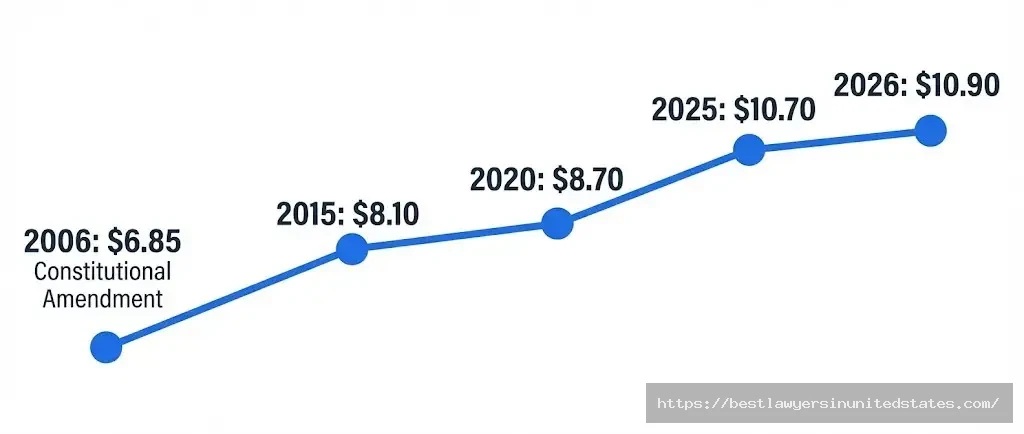
Historical Timeline: How We Got to $10.90
| Year | Minimum Wage | Tipped Wage | Key Event |
|---|---|---|---|
| 2006 | $6.85 | $3.43 | Constitutional amendment passed |
| 2010 | $7.30 | $3.65 | First CPI adjustment |
| 2015 | $8.10 | $4.05 | Continued annual increases |
| 2020 | $8.70 | $4.35 | Pre-pandemic rate |
| 2024 | $10.45 | $5.23 | Recent adjustment |
| 2025 | $10.70 | $5.35 | Current rate |
| 2026 | $10.90 | $5.50 | Projected rate |
| 2027 | $11.15 (est.) | $5.58 (est.) | Future projection |
Ohio voters approved the constitutional amendment in November 2006 with 56.9% support. This prevents the legislature from lowering the minimum wage without another public vote. States like Michigan and Illinois use similar constitutional protections.
How Ohio Calculates Annual Increases
The Ohio Department of Commerce uses a specific formula based on the Consumer Price Index. They measure CPI-W changes from July 1 to June 30 of the previous year. If inflation occurred, wages increase proportionally. If deflation happened, wages stay the same.
Calculation timeline:
- July-June: Department measures 12-month CPI-W change
- By September 30: New rate announced publicly
- January 1: New rate takes effect statewide
This automatic adjustment system means Ohio workers receive raises without legislative action. The 2026 projected increase of $0.20 reflects approximately 1.9% inflation.
Projected Rates Through 2030
| Year | Projected Rate | Estimated Increase | Based On |
|---|---|---|---|
| 2026 | $10.90 | $0.20 | 1.9% CPI increase |
| 2027 | $11.15 | $0.25 | 2.3% projected inflation |
| 2028 | $11.40 | $0.25 | 2.2% projected inflation |
| 2029 | $11.65 | $0.25 | 2.2% projected inflation |
| 2030 | $11.90 | $0.25 | 2.1% projected inflation |
These projections assume moderate inflation continues. Actual rates depend on economic conditions and will be announced annually by the Department of Commerce.
Overtime Laws in Ohio for 2026
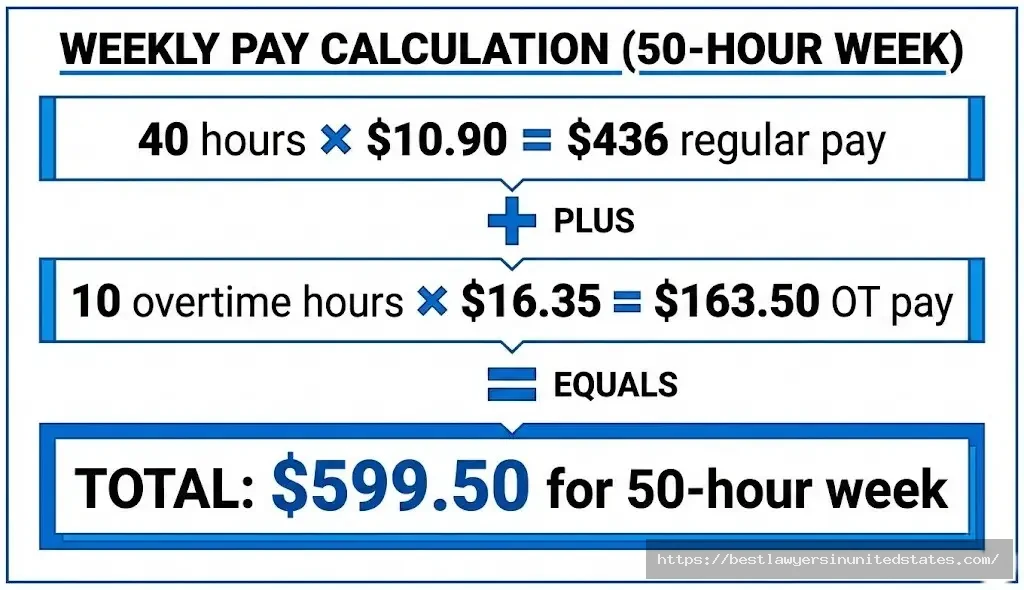
Standard Overtime: 1.5x Pay After 40 Hours
Ohio requires employers to pay time-and-a-half for hours worked beyond 40 in a single workweek. At the 2026 minimum wage of $10.90, overtime pay equals $16.35 per hour ($10.90 × 1.5).
Overtime basics:
- Calculated weekly, not daily
- Starts after 40 hours in one week
- No limit on overtime hours allowed
- Cannot be waived by employee agreement
Unlike California, Ohio does not require daily overtime. Working 12 hours in one day does not automatically trigger overtime if your weekly total stays under 40 hours.
Small Business Overtime Exemption
Businesses grossing less than $150,000 annually are exempt from Ohio's overtime requirements. These employers must still follow federal overtime laws under the Fair Labor Standards Act (FLSA).
Exemption details:
- Applies to businesses under $150,000 gross revenue
- Federal overtime laws still apply
- Threshold higher than minimum wage exemption ($394,000)
- Revenue calculated annually
Most small businesses still pay overtime voluntarily to remain competitive with larger employers.
Calculate Your Overtime Pay in Ohio
Working more than 40 hours per week? Calculate your overtime earnings based on Ohio's overtime laws. This calculator accounts for Ohio's time-and-a-half requirements after 40 hours.
⏰ Overtime Pay Calculator
Calculate your overtime earnings based on your state's specific labor laws
📍 Select Your State
💰 Your Hourly Wage
📊 Calculation Method
📅 Weekly Hours
💵 Your Weekly Overtime Pay
📊 Earnings Breakdown
📅 Pay Period Estimates
⚖️ State vs Federal Comparison
Calculator features:
- Ohio-specific overtime rules
- Weekly overtime calculations
- Pay period breakdowns
- Comparison with federal law
- Annual overtime earnings estimate
Full overtime calculator: Calculate exact overtime pay
Questions about unpaid overtime?
Email: [email protected]
Who Doesn't Get Overtime Pay
Certain employees are exempt from overtime requirements under both Ohio and federal law. These exemptions apply regardless of how many hours you work.
Common overtime exemptions:
- Executive, administrative, and professional employees
- Outside sales representatives
- Computer professionals earning $27.63+ per hour
- Highly compensated employees earning $107,432+ annually
- Independent contractors (not employees)
Job title alone doesn't determine exemption. Your actual duties must meet specific legal tests. Many employers misclassify workers as exempt to avoid paying overtime. If you believe you're misclassified, the Ohio Department of Commerce can investigate.
Ohio Minimum Wage by City
Columbus Minimum Wage 2026
Columbus, Ohio's capital and largest city, follows the state minimum wage of $10.90 per hour. No local ordinance sets a higher rate. Unlike cities in New York or California, Columbus cannot raise its minimum wage above the state level.
Columbus wage details:
- Same as state rate: $10.90/hour
- Population: 905,000+ (largest in Ohio)
- Major employers: Ohio State University, JPMorgan Chase, Nationwide
- Cost of living: 9% below national average
A single adult in Columbus needs approximately $15.50 per hour to cover basic expenses. The minimum wage provides only 70% of this living wage.
Cleveland Minimum Wage 2026
Cleveland follows Ohio's statewide minimum wage of $10.90 per hour. The city attempted to pass a $15 minimum wage ordinance in 2019, but state law preempted this effort.
Cleveland wage landscape:
- State minimum applies: $10.90/hour
- Population: 372,000 (second largest in Ohio)
- Major employers: Cleveland Clinic, University Hospitals, KeyBank
- Living wage needed: $14.80/hour for single adult
Cleveland's manufacturing and healthcare sectors often pay above minimum wage. Entry-level hospital positions typically start at $14-16 per hour.
Cincinnati Minimum Wage 2026
Cincinnati maintains the state minimum wage of $10.90 per hour for 2026. Local officials cannot set higher wages due to Ohio's state preemption laws.
Cincinnati employment:
- Follows state rate: $10.90/hour
- Population: 309,000 (third largest)
- Major employers: Procter & Gamble, Kroger, Cincinnati Children's Hospital
- Living wage estimate: $15.00/hour
Many Cincinnati employers, particularly in healthcare and corporate sectors, voluntarily pay $12-15 per hour for entry-level positions.
Why Ohio Cities Can't Set Higher Minimum Wages
Ohio law prevents cities and counties from establishing minimum wages higher than the state rate. This "preemption" ensures uniform wage standards across Ohio.
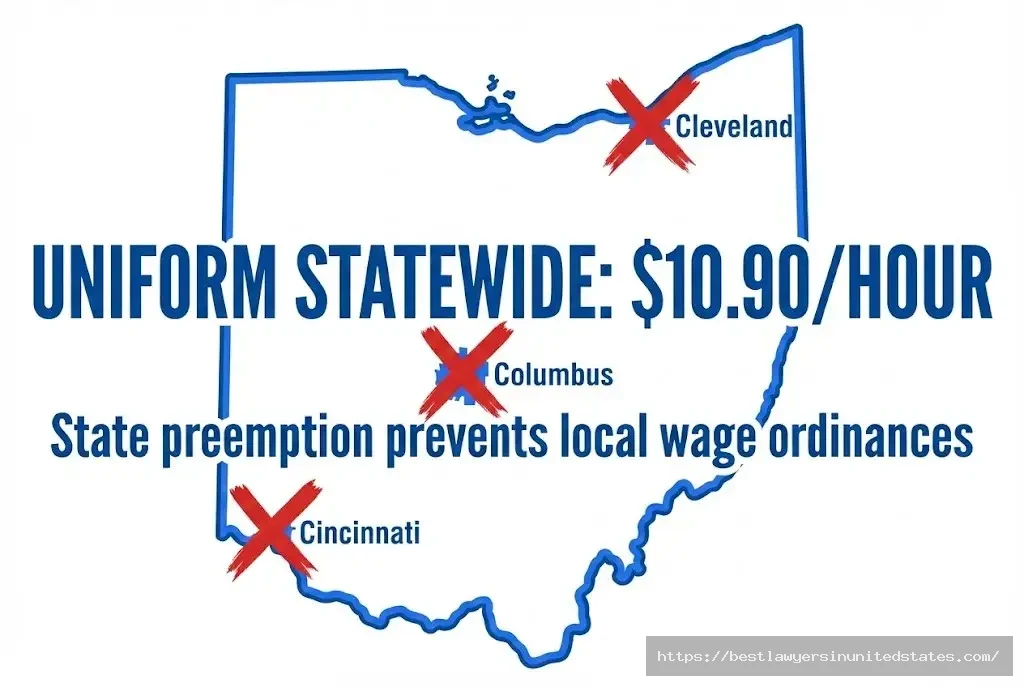
State preemption means:
- Only state legislature can change minimum wage (or voters via constitutional amendment)
- Cities cannot create local wage ordinances
- Counties cannot set regional rates
- Uniform wages statewide
This differs from states like Illinois where Chicago's minimum wage ($15.80) exceeds the state rate ($14.00). Ohio cities must lobby the state legislature or organize statewide ballot initiatives to raise wages.
Tipped Employee Rights in Ohio
How Ohio's Tip Credit System Works
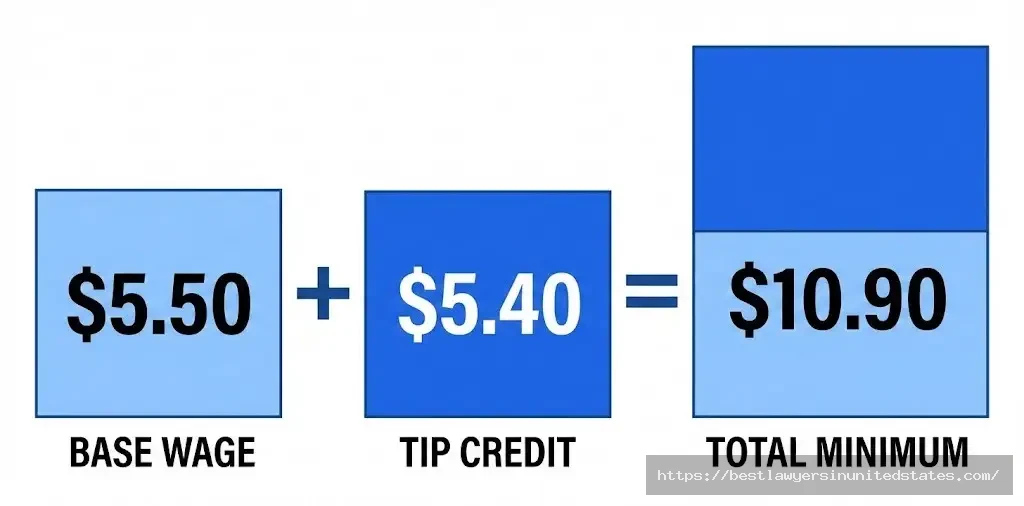
Ohio allows employers to count employee tips toward the minimum wage requirement. This "tip credit" means employers can pay tipped workers $5.50 per hour as long as tips bring total earnings to at least $10.90 per hour.
Tip credit formula:
- Base wage: $5.50/hour (50% of minimum wage)
- Tip credit: $5.40/hour maximum
- Total minimum: $10.90/hour guaranteed
Example: A server works 6 hours and earns $33 base pay ($5.50 × 6). They must receive at least $32.40 in tips to reach the $65.40 minimum ($10.90 × 6). If tips only total $25, the employer must add $7.40 to the paycheck.
Employers must track tips every pay period and provide written documentation. If you're not receiving proper payment, understanding your rights regarding workplace disputes can help you take action.
What If Tips Don't Reach Minimum Wage
Employers must make up the difference when base wage plus tips fall below $10.90 per hour. This protection applies to each pay period, not individual shifts.
Employer obligations:
- Track all tips received
- Compare total earnings to minimum wage requirement
- Add supplemental pay if needed
- Provide written documentation on pay stubs
Many employers fail to track tips properly or ignore shortfalls. If your average earnings drop below $10.90 per hour after including tips, your employer owes you additional compensation.
Tip Pooling and Sharing Rules
Ohio allows mandatory tip pooling among employees who customarily receive tips. Managers and supervisors cannot participate in tip pools or take any portion of employee tips.
Legal tip pooling:
- Servers can share with bussers and bartenders
- Only tip-receiving employees participate
- Must be distributed fairly
- Employer cannot take tips as operating costs
Illegal tip practices:
- Managers keeping any portion of tips
- Requiring tips to cover broken dishes or walkouts
- Using tips to pay other business expenses
- Forcing unequal distribution that benefits certain workers
Report tip violations to the Ohio Division of Industrial Compliance at (614) 644-2239.
Youth Employment and Student Workers
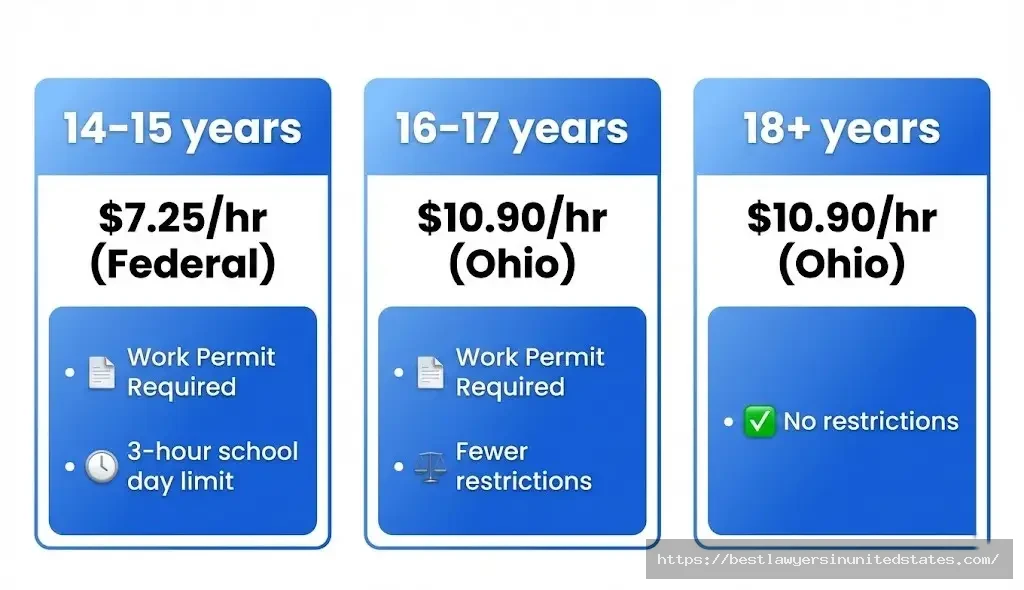
Can 14-Year-Olds Work in Ohio?
Yes, 14-year-olds can work in Ohio with proper permits and under strict hour limitations. They earn the federal minimum wage of $7.25 per hour until they turn 16.
Age 14-15 work rules:
- Must obtain work permit from school
- Cannot work during school hours
- Maximum 3 hours on school days
- Maximum 8 hours on non-school days
- No work before 7 a.m. or after 7 p.m. (9 p.m. in summer)
Allowed jobs for 14-15:
- Retail stores (but not warehouses)
- Restaurants (no cooking or hazardous equipment)
- Office work
- Entertainment venues
- Grocery stores (bagging, stocking)
Teens cannot operate machinery, work in construction, or perform hazardous tasks.
Minimum Wage at 16 and 17 Years Old
Workers age 16 and 17 earn Ohio's full minimum wage of $10.90 per hour. They have fewer hour restrictions than younger teens but still need work permits.
Age 16-17 work rules:
- Full minimum wage applies: $10.90/hour
- Work permit required
- No hours limit on weekends or summer
- Maximum 3 hours on school nights (if enrolled)
- No work during school hours
At age 18, all restrictions lift and workers earn the same wages as adults. States like Indiana and Kentucky have similar youth employment rules.
Getting a Work Permit in Ohio
Ohio requires work permits (also called "age certificates") for all workers under 18. Schools issue these permits, which verify the student's age and school enrollment.
Permit application process:
- Get school approval: Visit your school's guidance office
- Provide documentation: Birth certificate and proof of address
- Submit job offer: Letter from employer stating position and hours
- Receive permit: Usually issued within 2-3 business days
- Give to employer: Employer keeps permit on file
Work permits are free. Schools can revoke permits if employment interferes with education or if violations occur.
Small Business Compliance Guide
Who Must Pay $10.90 vs. $7.25?
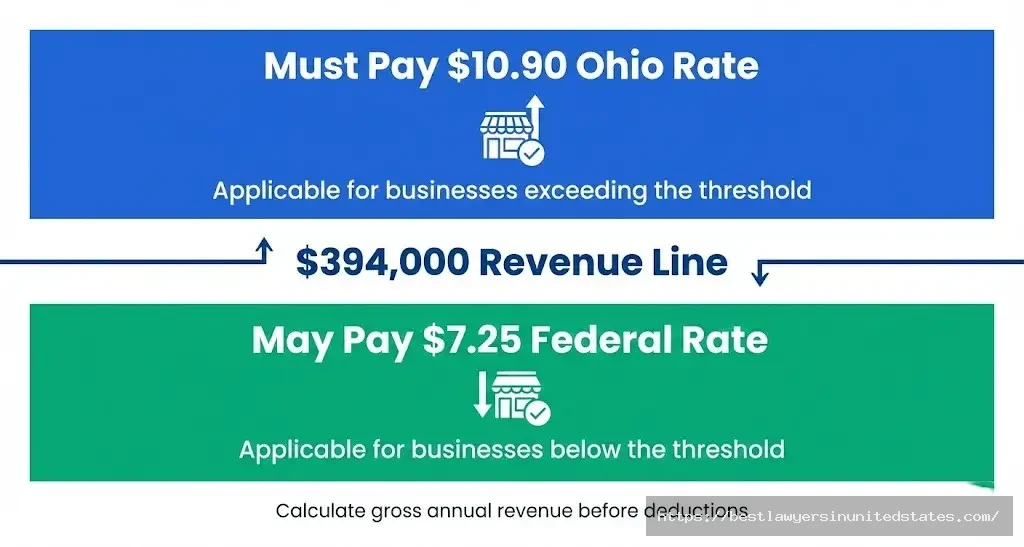
The revenue threshold determines which minimum wage applies to your business. Companies grossing $394,000 or more must pay Ohio's minimum wage. Smaller businesses can pay the federal rate of $7.25.
Determining your requirement:
| Annual Gross Revenue | Minimum Wage Required | Tipped Wage | Overtime Required |
|---|---|---|---|
| Under $150,000 | $7.25 (federal) | $2.13 + tips | Federal only |
| $150,000-$393,999 | $7.25 (federal) | $2.13 + tips | Ohio overtime |
| $394,000+ | $10.90 (Ohio) | $5.50 + tips | Ohio overtime |
Calculate gross revenue before deductions or expenses. Revenue includes all sales, services, and income from business operations.
Required Labor Law Posters for 2026
Ohio employers must display specific posters in areas where employees can easily read them. The Ohio Department of Commerce provides free posters on their website.
Required postings:
- Ohio Minimum Wage poster (updated for 2026)
- Federal Fair Labor Standards Act poster
- Ohio Workers' Compensation information
- Ohio Job Safety and Health poster
- Equal Employment Opportunity notice
- Employee Rights under FMLA (if 50+ employees)
Posting requirements:
- Must be current year's version
- Displayed in common employee area
- Visible from standing position
- English and Spanish if workforce requires
Download free posters at com.ohio.gov or call (614) 644-2239 to request physical copies. Failing to post current notices can result in fines.
Recordkeeping Requirements
Ohio law requires employers to maintain detailed wage records for at least three years. These records must be available for inspection by the Ohio Division of Industrial Compliance.
Required records for each employee:
- Full legal name and address
- Occupation or job title
- Hourly rate of pay
- Hours worked each day and week
- Total wages paid each pay period
- Deductions taken from wages
- Tips received (for tipped employees)
Record retention:
- Keep for 3 years minimum
- Make available during business hours
- Allow copying by labor inspectors
- Maintain in organized, accessible format
Many wage violation cases succeed because employers fail to keep proper records. Organized recordkeeping protects both employers and employees.
Payroll Best Practices
Maintaining accurate payroll prevents violations and protects your business from penalties. Modern payroll systems can automate Ohio-specific calculations.
Best practices checklist:
- Calculate overtime correctly every week
- Track tipped employee earnings accurately
- Update wage rates by January 1 annually
- Document all pay adjustments in writing
- Provide detailed pay stubs
- Pay employees on scheduled payday
- Respond promptly to wage questions
Consider consulting with an employment attorney or payroll specialist when starting a business. Investment in proper systems prevents costly violations later.
Wage Theft and Unpaid Wages in Ohio
What Counts as Wage Theft?
Wage theft occurs when employers fail to pay earned wages. This is Ohio's most common labor violation. The state recovered over $12 million in unpaid wages in 2024.
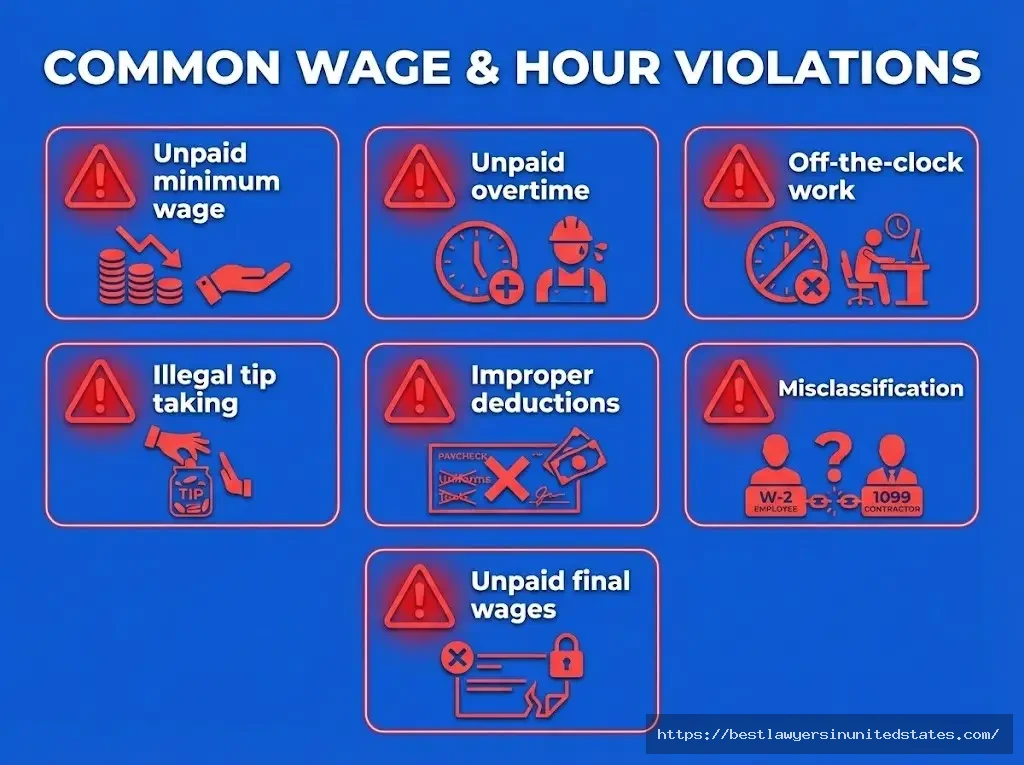
Common wage theft examples:
- Not paying minimum wage
- Failing to pay overtime
- Requiring off-the-clock work
- Illegal deductions from paychecks
- Taking employee tips
- Not paying final wages after termination
- Misclassifying employees as independent contractors
Even unintentional payroll errors constitute wage theft. Employers must correct and pay back wages regardless of intent. Similar protections exist in other states, though enforcement varies. Some employees also face wage garnishment issues when wages are withheld.
How to File a Wage Theft Complaint
Ohio workers can file complaints with the Ohio Division of Industrial Compliance. The process is free and does not require an attorney.
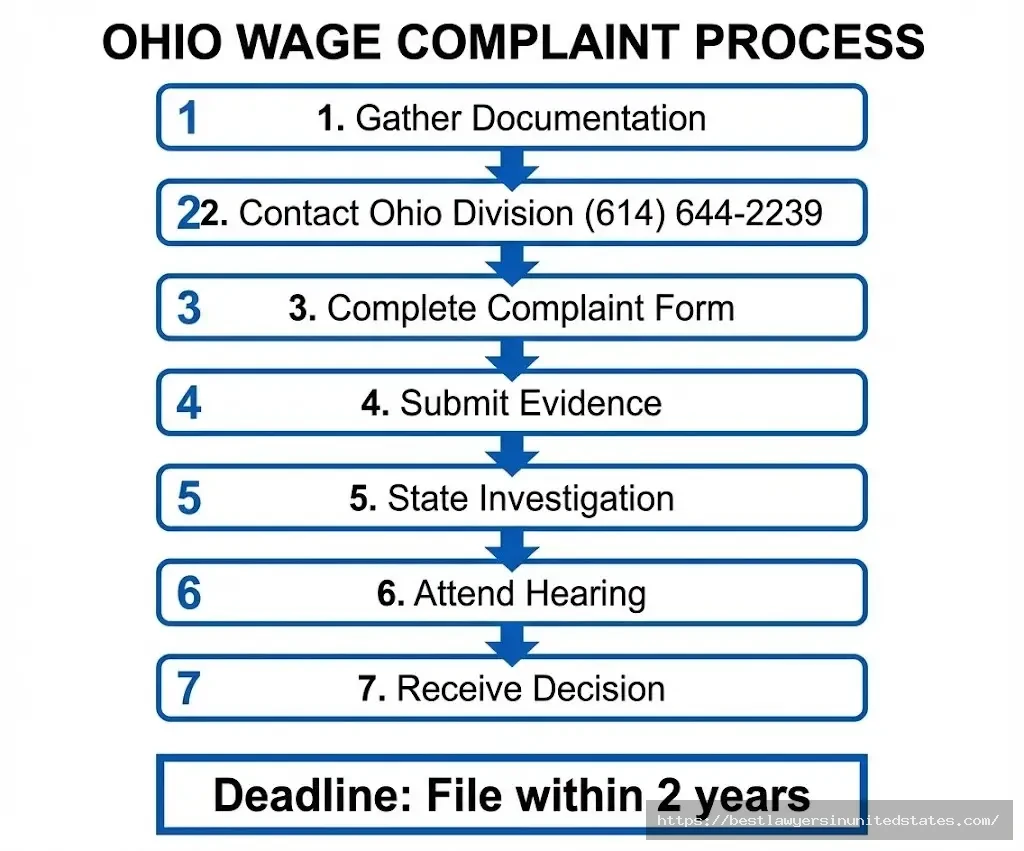
Filing process:
- Gather documentation: Pay stubs, timesheets, work schedules, communication with employer
- Contact Ohio Division of Industrial Compliance: Call (614) 644-2239 or visit their website
- Complete complaint form: Provide detailed information about violations
- Submit evidence: Include all documentation supporting your claim
- Investigation begins: State investigator reviews your case
- Attend hearing: If required, participate in administrative hearing
- Receive decision: State orders employer to pay if violation confirmed
Important deadlines:
- File within 2 years of violation
- 3 years for willful violations
- Interest accrues on unpaid wages
The Division of Industrial Compliance investigates complaints confidentially. Retaliation against workers who file complaints is illegal.
Calculate Your Wage Theft Recovery
Think your employer owes you money? Use our wage theft calculator to estimate how much you could recover, including unpaid wages, penalties, and interest under Ohio law.
Wage Theft Recovery Calculator
Estimate how much you can recover in unpaid wages, penalties, and damages based on your state's laws
💵 Estimated Total Recovery
💰 Unpaid Wages
⚖️ Penalties & Damages
📋 Total Summary
Calculator features:
- Multiple violation types (unpaid wages, overtime, tips)
- Ohio-specific penalties and damages
- Filing deadline tracker
- Total recovery estimate
- Next steps guidance
Full wage theft calculator: Calculate your complete recovery amount
Need help with unpaid wages?
Contact Ohio Department of Labor or consult with an employment attorney.
Email: [email protected]
Double Damages and Penalties
Ohio law allows workers to recover double the amount of unpaid wages in certain cases. Courts award these damages when employers willfully violate wage laws.
Potential recovery:
- Unpaid wages (actual amount owed)
- Liquidated damages (equal to unpaid wages)
- Interest on unpaid amounts
- Attorney fees (if you win in court)
- Court costs
Example: A server was underpaid $2,000 over six months. The employer knew about the violation but ignored it. The court could award:
- $2,000 (unpaid wages)
- $2,000 (liquidated damages)
- $150 (interest)
- $3,000 (attorney fees)
- Total recovery: $7,150
Workers have 2-3 years to file wage theft claims depending on circumstances. The statute of limitations begins when the violation occurs.
Employee Exemptions from Minimum Wage
Who Is Exempt from Minimum Wage?
Certain workers are exempt from Ohio's minimum wage requirements under state and federal law. These exemptions are narrowly defined.
Common exemptions:
- Federal government employees
- Outside salespeople paid entirely by commission
- Babysitters in private homes
- Live-in companions for elderly or disabled persons
- Volunteers for public agencies
- Seasonal workers at camps for children under 18
- Family members working in family-owned businesses
Not exempt (contrary to common belief):
- Restaurant workers (must receive minimum wage with tips)
- Independent contractors (if actually employees)
- Part-time workers
- Temporary employees
- Seasonal retail workers
Job titles don't determine exemptions. The actual work duties and payment structure matter.
Sub-Minimum Wages for Workers with Disabilities
Ohio allows employers to pay workers with disabilities below minimum wage under specific circumstances. The employer must obtain a certificate from the Ohio Department of Commerce.
Sub-minimum wage requirements:
- Worker has documented disability affecting productivity
- Employer applies for special certificate
- Wage reflects worker's actual productivity
- Ohio Director of Commerce approves rate
- Certificate renewed periodically
This controversial provision aims to increase employment opportunities for workers with disabilities. However, advocacy groups increasingly oppose sub-minimum wages as discriminatory. Several states have banned this practice.
Ohio vs. Federal and Neighboring States
Ohio vs. Federal Minimum Wage
| Jurisdiction | Minimum Wage | Tipped Wage | Annual Increases |
|---|---|---|---|
| Ohio | $10.90 | $5.50 | Yes (CPI-based) |
| Federal | $7.25 | $2.13 | No (frozen since 2009) |
| Difference | +$3.65 | +$3.37 | Ohio adjusts annually |
Ohio's minimum wage is 50% higher than the federal rate. The federal minimum wage has remained $7.25 since July 2009, the longest period without an increase in history.
When state and federal wages differ, employers must pay the higher rate. Ohio workers always receive at least $10.90 unless their employer qualifies for the small business exemption.
Comparison with Neighboring States
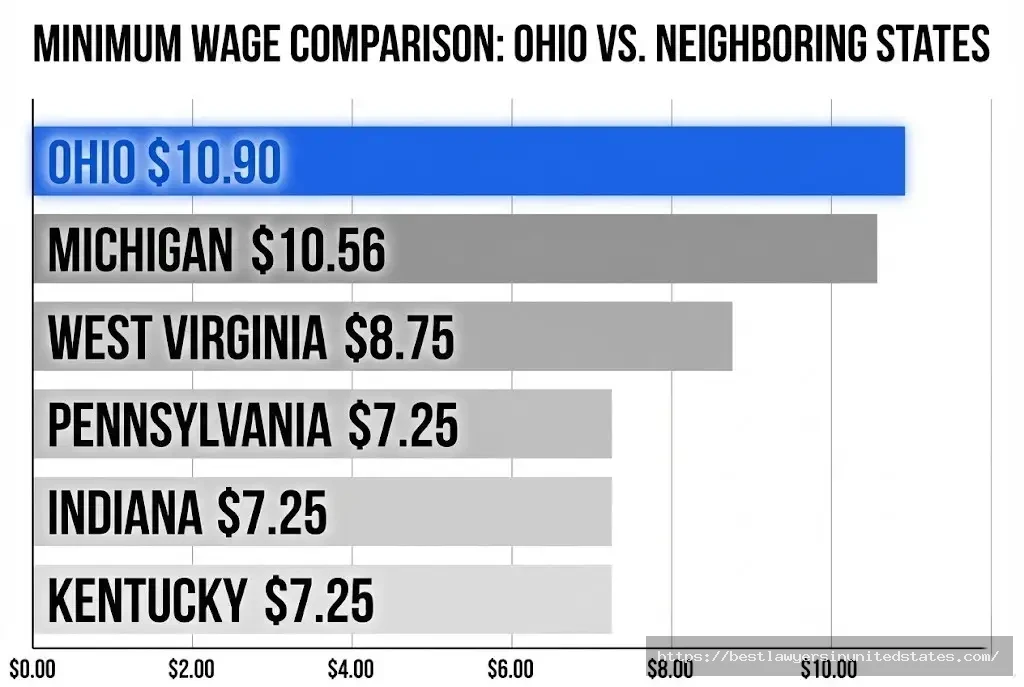
Ohio's minimum wage falls in the middle compared to surrounding states. Michigan pays slightly less, while Illinois pays significantly more.
| State | 2026 Minimum Wage | Tipped Wage | Annual Adjustments |
|---|---|---|---|
| Ohio | $10.90 | $5.50 | Yes (CPI) |
| Michigan | $10.56 | $4.01 | Yes (CPI) |
| Pennsylvania | $7.25 | $2.83 | No |
| Indiana | $7.25 | $2.13 | No |
| Kentucky | $7.25 | $2.13 | No |
| West Virginia | $8.75 | $2.63 | No |
Three of Ohio's neighbors (Pennsylvania, Indiana, Kentucky) still use the federal minimum wage. Michigan and West Virginia have higher rates but still below Ohio's.
States with $15+ Minimum Wage
Several states now mandate $15 or higher minimum wages. These jurisdictions argue higher wages reduce poverty and increase economic activity.
High wage states for 2026:
- California: $16.50 (varies by city/county)
- Washington: $16.28
- Massachusetts: $15.00
- New York: $15.00-$16.50 (varies by region)
- Connecticut: $15.69
- Florida: $13.00 (increasing to $15 by 2026)
California's actual minimum varies by locality. San Francisco requires $18.07 while rural areas follow the state's $16.50 rate. Ohio's uniform statewide wage prevents this variation.
Frequently Asked Questions
What is the minimum wage in Ohio for 2026?
Quick Answer: Ohio's minimum wage for 2026 is projected to be $10.90 per hour, increasing from $10.70 in 2025 based on annual inflation adjustments.
This rate applies to most workers. Tipped employees earn a base wage of approximately $5.50 per hour plus tips. Workers under 16 and employees of businesses grossing under $394,000 annually receive the federal minimum of $7.25.
Is minimum wage going up in Ohio in 2026?
Quick Answer: Yes, Ohio's minimum wage is expected to increase by $0.20, from $10.70 in 2025 to $10.90 in 2026, based on Consumer Price Index inflation measurements.
The Ohio Department of Commerce will announce the official rate by September 30, 2025. The increase takes effect January 1, 2026. Ohio has raised its minimum wage every year since 2014 due to constitutional requirements.
What is Ohio's tipped minimum wage for 2026?
Quick Answer: Tipped employees in Ohio will earn a base wage of approximately $5.50 per hour in 2026, which is 50% of the standard minimum wage, plus tips must bring total earnings to at least $10.90 per hour.
Employers must track tips and make up any shortfall if combined wages fall below $10.90 per hour. This applies to servers, bartenders, and any employee regularly receiving more than $30 monthly in tips.
Can Ohio cities like Columbus or Cleveland set their own minimum wage?
Quick Answer: No, Ohio law prohibits cities and counties from establishing minimum wages higher than the state rate, ensuring uniform wages across Ohio.
Cleveland attempted to pass a $15 minimum wage ordinance but state preemption laws blocked implementation. Only the state legislature or voter-approved constitutional amendments can change Ohio's minimum wage.
Do I get paid overtime in Ohio?
Quick Answer: Yes, Ohio requires employers to pay time-and-a-half (1.5x your regular rate) for hours worked over 40 in a single workweek, unless your employer grosses under $150,000 annually.
At 2026's minimum wage of $10.90, overtime pay equals $16.35 per hour. Certain employees (executives, professionals, independent contractors) are exempt from overtime requirements regardless of hours worked.
How do I calculate my earnings at Ohio's minimum wage?
Quick Answer: Multiply $10.90 by your weekly hours to find weekly pay, multiply by 52 for annual earnings, or use our free minimum wage calculator for precise calculations including overtime and taxes.
For example, working 40 hours per week at $10.90 equals $436 weekly, $1,890 monthly, or $22,672 annually before taxes. Our calculator shows exact take-home pay after withholding.
How much overtime pay am I entitled to in Ohio?
Quick Answer: Ohio overtime is 1.5 times your regular rate for hours over 40 per week, so minimum wage workers earn $16.35 per overtime hour in 2026.
Use our overtime pay calculator to calculate exact earnings based on your regular rate and overtime hours. The calculator includes weekly, monthly, and annual projections.
Can 14-year-olds work in Ohio?
Quick Answer: Yes, 14-year-olds can work in Ohio with a school-issued work permit, but they earn federal minimum wage ($7.25) and face strict hour limitations including maximum 3 hours on school days.
At age 16, teens earn Ohio's full minimum wage of $10.90. Work permits are required for all workers under 18 and are free from school guidance offices.
What should I do if my employer isn't paying minimum wage?
Quick Answer: File a complaint with the Ohio Division of Industrial Compliance at (614) 644-2239 within 2 years of the violation to recover unpaid wages plus potential penalties and interest.
You can also use our wage theft recovery calculator to estimate how much you're owed. The state investigates complaints free of charge, and retaliation is illegal.
Does Ohio minimum wage apply to small businesses?
Quick Answer: Only businesses grossing $394,000 or more annually must pay Ohio's $10.90 minimum wage; smaller businesses can pay the federal minimum of $7.25.
This threshold adjusts annually with inflation. All businesses must follow federal wage laws and post required labor posters regardless of size.
When does Ohio minimum wage increase each year?
Quick Answer: Ohio's minimum wage increases every January 1st if inflation occurred in the prior year, with the new rate announced by September 30th of the previous year.
The Ohio Department of Commerce measures inflation using the Consumer Price Index from July to June. If prices increased, minimum wage rises proportionally. If deflation occurred, wages stay the same.
How do I calculate wage theft recovery in Ohio?
Quick Answer: Use our wage theft calculator to estimate unpaid wages, liquidated damages, interest, and potential attorney fees based on Ohio law allowing double damages for willful violations.
Workers can recover twice the amount of unpaid wages plus interest when employers knowingly violate wage laws. The calculator provides a total recovery estimate and explains next steps.
Resources and Next Steps
Official Ohio Sources
Ohio Department of Commerce
Division of Industrial Compliance
6606 Tussing Road, Reynoldsburg, OH 43068
Phone: (614) 644-2239
TTY/TDD: 1-800-750-0750
Website: com.ohio.gov
Services provided:
- Wage complaint investigations
- Free labor law posters
- Employer compliance assistance
- Minimum wage rate announcements
- Worker rights information
Federal Labor Resources
U.S. Department of Labor
Wage and Hour Division
Phone: 1-866-487-9243
Website: dol.gov/agencies/whd
Fair Labor Standards Act (FLSA) information:
- Federal minimum wage and overtime rules
- Tipped employee regulations
- Youth employment standards
- Employer recordkeeping requirements
Free Legal Assistance
Ohio Legal Services provides free legal help for low-income workers facing wage theft or employment violations. Several regional offices serve different areas of Ohio.
Ohio Legal Services contact: Phone: 1-866-529-6446
Website: ohiolegalservices.org
Services include legal advice, representation in wage claims, and assistance filing complaints.
Conclusion
Ohio's minimum wage for 2026 reaches approximately $10.90 per hour, continuing the state's tradition of annual inflation-based increases since 2006. This represents $3.65 more than the federal minimum wage and provides stronger protections for Ohio workers.
Understanding your rights under Ohio wage laws helps you recognize violations and take action when employers fail to pay properly. Whether you're a tipped employee, part-time worker, or full-time professional, Ohio law guarantees minimum compensation standards.
Key takeaways:
- Most workers earn $10.90/hour starting January 1, 2026
- Overtime applies after 40 hours per week at 1.5x your rate
- Tipped employees must receive minimum wage including tips
- Small businesses under $394,000 may pay federal minimum
- File wage complaints within 2 years for violations
- Use our free calculators to verify your correct pay
Take action:
For specific questions about your wage situation, contact the Ohio Division of Industrial Compliance or consult with an employment attorney. Your wages are protected by both state and federal law.
Need legal assistance?
Email: [email protected]